Product
Use Cases
How it Works
Pricing
Login
Community showcase

Designs made by our community

Explore unique graphic designs and images crafted by creators around the world using Hiding Elephant's AI design tools. Get inspired and start creating.
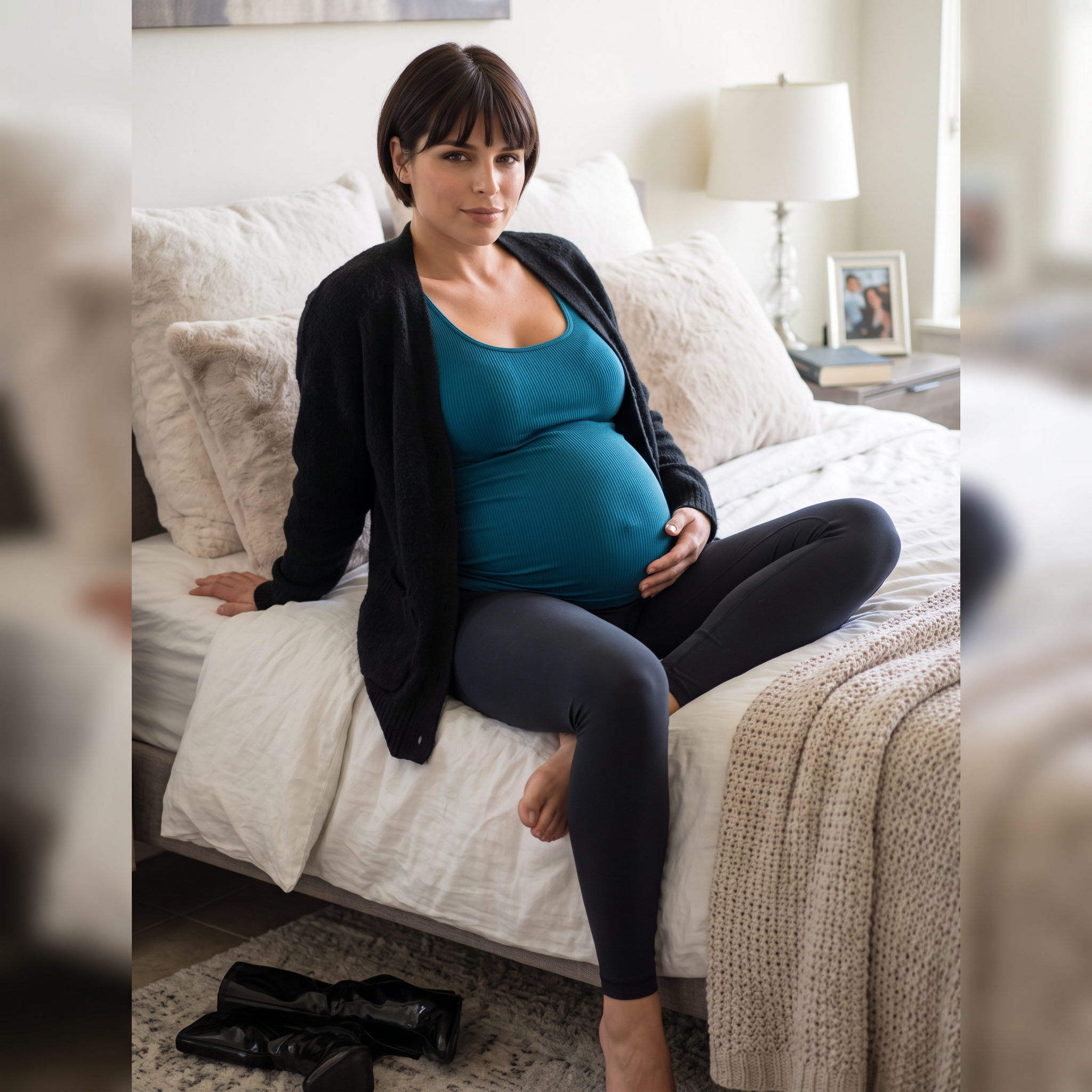
AI Design for A professional architectural photograph of a structural framework installed on an elevated Indian rooftop, featuring clearly visible 5-inch C HDGI steel beams with a distinctive 80-micron zinc coating texture. Captured in bright, natural daylight with a wide-angle perspective showcasing the industrial installation against a clear blue urban sky, emphasizing precise engineering details and metallic finishes.

A professional architectural photograph of a structural framework installed on an elevated Indian rooftop, featuring clearly visible 5-inch C HDGI steel beams with a distinctive 80-micron zinc coating texture. Captured in bright, natural daylight with a wide-angle perspective showcasing the industrial installation against a clear blue urban sky, emphasizing precise engineering details and metallic finishes.

by @Elephant_7841085

AI Design for A professional architectural photograph of a structural framework installed on an elevated Indian rooftop, featuring clearly visible 5-inch C HDGI steel beams with a distinctive 80-micron zinc coating texture. Captured in bright, natural daylight with a wide-angle perspective showcasing the industrial installation against a clear blue urban sky, emphasizing precise engineering details and metallic finishes.

A professional architectural photograph of a structural framework installed on an elevated Indian rooftop, featuring clearly visible 5-inch C HDGI steel beams with a distinctive 80-micron zinc coating texture. Captured in bright, natural daylight with a wide-angle perspective showcasing the industrial installation against a clear blue urban sky, emphasizing precise engineering details and metallic finishes.

by @Elephant_7841085

AI Design for A professional architectural photograph of a structural framework installed on an elevated Indian rooftop, featuring clearly visible 5-inch C HDGI steel beams with a distinctive 80-micron zinc coating texture. Captured in bright, natural daylight with a wide-angle perspective showcasing the industrial installation against a clear blue urban sky, emphasizing precise engineering details and metallic finishes.

A professional architectural photograph of a structural framework installed on an elevated Indian rooftop, featuring clearly visible 5-inch C HDGI steel beams with a distinctive 80-micron zinc coating texture. Captured in bright, natural daylight with a wide-angle perspective showcasing the industrial installation against a clear blue urban sky, emphasizing precise engineering details and metallic finishes.

by @Elephant_7841085

AI Design for Out-of-home campaign mockup concept for Sale campaign visuals for my product line. Billboard, transit poster, or street display in a realistic environment, strong campaign imagery, believable scale and lighting, no readable fake ad copy.

Out-of-home campaign mockup concept for Sale campaign visuals for my product line. Billboard, transit poster, or street display in a realistic environment, strong campaign imagery, believable scale and lighting, no readable fake ad copy.

by @Elephant_7841085

AI Design for Paid ad visual concept for Sale campaign visuals for my product line. Performance-focused portrait composition, clear product or benefit cue, bold contrast, uncluttered background, open area for offer copy to be added later, no readable text.

Paid ad visual concept for Sale campaign visuals for my product line. Performance-focused portrait composition, clear product or benefit cue, bold contrast, uncluttered background, open area for offer copy to be added later, no readable text.

by @Elephant_7841085

AI Design for Retargeting ad visual concept for Sale campaign visuals for my product line. Simple product or benefit-focused composition, clean background, recognizable subject, direct commercial feel, clear space for offer text to be added later, no generated words.

Retargeting ad visual concept for Sale campaign visuals for my product line. Simple product or benefit-focused composition, clean background, recognizable subject, direct commercial feel, clear space for offer text to be added later, no generated words.

by @Elephant_7841085

AI Design for A professional engineering team in working on modern solar panels onto a sunlit residential rooftop. Captured in natural daylight with a clean, crisp composition highlighting the high-tech equipment, vibrant blue sky background, and an authentic, aesthetic documentary photography style. People appearance Indian local people.

A professional engineering team in working on modern solar panels onto a sunlit residential rooftop. Captured in natural daylight with a clean, crisp composition highlighting the high-tech equipment, vibrant blue sky background, and an authentic, aesthetic documentary photography style. People appearance Indian local people.

by @Elephant_5514869

AI Design for A professional engineering team in working on modern solar panels onto a sunlit residential rooftop. Captured in natural daylight with a clean, crisp composition highlighting the high-tech equipment, vibrant blue sky background, and an authentic, aesthetic documentary photography style. People appearance Indian local people.

A professional engineering team in working on modern solar panels onto a sunlit residential rooftop. Captured in natural daylight with a clean, crisp composition highlighting the high-tech equipment, vibrant blue sky background, and an authentic, aesthetic documentary photography style. People appearance Indian local people.

by @Elephant_5514869

AI Design for A professional engineering team in working on modern solar panels onto a sunlit residential rooftop. Captured in natural daylight with a clean, crisp composition highlighting the high-tech equipment, vibrant blue sky background, and an authentic, aesthetic documentary photography style. People appearance Indian local people.

A professional engineering team in working on modern solar panels onto a sunlit residential rooftop. Captured in natural daylight with a clean, crisp composition highlighting the high-tech equipment, vibrant blue sky background, and an authentic, aesthetic documentary photography style. People appearance Indian local people.

by @Elephant_5514869

AI Design for A professional engineering team in high-visibility safety vests and hard hats expertly mounting sleek, modern solar panels onto a sunlit residential rooftop. Captured in natural daylight with a clean, crisp composition highlighting the high-tech equipment, vibrant blue sky background, and an authentic, aesthetic documentary photography style.

A professional engineering team in high-visibility safety vests and hard hats expertly mounting sleek, modern solar panels onto a sunlit residential rooftop. Captured in natural daylight with a clean, crisp composition highlighting the high-tech equipment, vibrant blue sky background, and an authentic, aesthetic documentary photography style.

by @Elephant_5514869

AI Design for A professional engineering team in high-visibility safety vests and hard hats expertly mounting sleek, modern solar panels onto a sunlit residential rooftop. Captured in natural daylight with a clean, crisp composition highlighting the high-tech equipment, vibrant blue sky background, and an authentic, aesthetic documentary photography style.

A professional engineering team in high-visibility safety vests and hard hats expertly mounting sleek, modern solar panels onto a sunlit residential rooftop. Captured in natural daylight with a clean, crisp composition highlighting the high-tech equipment, vibrant blue sky background, and an authentic, aesthetic documentary photography style.

by @Elephant_5514869

AI Design for A professional engineering team in high-visibility safety vests and hard hats expertly mounting sleek, modern solar panels onto a sunlit residential rooftop. Captured in natural daylight with a clean, crisp composition highlighting the high-tech equipment, vibrant blue sky background, and an authentic, aesthetic documentary photography style.

A professional engineering team in high-visibility safety vests and hard hats expertly mounting sleek, modern solar panels onto a sunlit residential rooftop. Captured in natural daylight with a clean, crisp composition highlighting the high-tech equipment, vibrant blue sky background, and an authentic, aesthetic documentary photography style.

by @Elephant_5514869

AI Design for Replace only the background wall and floor behind the subject with [پس‌زمینه‌ی دلخواه — مثلاً: a soft ivory studio backdrop with a pastel-blue arch, wooden moon and stars, and light-oak floor]. Keep everything else — the baby’s face, pose, hands, bonnet, basket, blankets, chair, and all foreground elements — pixel-identical to the original. Match the original lighting direction and warmth. Add natural contact shadows only where the chair legs touch the new floor. No canvas extension, no outpainting, no change in composition or subject scale.

Replace only the background wall and floor behind the subject with [پس‌زمینه‌ی دلخواه — مثلاً: a soft ivory studio backdrop with a pastel-blue arch, wooden moon and stars, and light-oak floor]. Keep everything else — the baby’s face, pose, hands, bonnet, basket, blankets, chair, and all foreground elements — pixel-identical to the original. Match the original lighting direction and warmth. Add natural contact shadows only where the chair legs touch the new floor. No canvas extension, no outpainting, no change in composition or subject scale.

by @Elephant_3869809

AI Design for Replace only the background wall and floor behind the subject with [پس‌زمینه‌ی دلخواه — مثلاً: a soft ivory studio backdrop with a pastel-blue arch, wooden moon and stars, and light-oak floor]. Keep everything else — the baby’s face, pose, hands, bonnet, basket, blankets, chair, and all foreground elements — pixel-identical to the original. Match the original lighting direction and warmth. Add natural contact shadows only where the chair legs touch the new floor. No canvas extension, no outpainting, no change in composition or subject scale.

Replace only the background wall and floor behind the subject with [پس‌زمینه‌ی دلخواه — مثلاً: a soft ivory studio backdrop with a pastel-blue arch, wooden moon and stars, and light-oak floor]. Keep everything else — the baby’s face, pose, hands, bonnet, basket, blankets, chair, and all foreground elements — pixel-identical to the original. Match the original lighting direction and warmth. Add natural contact shadows only where the chair legs touch the new floor. No canvas extension, no outpainting, no change in composition or subject scale.

by @Elephant_3869809

AI Design for Replace only the background wall and floor behind the subject with [پس‌زمینه‌ی دلخواه — مثلاً: a soft ivory studio backdrop with a pastel-blue arch, wooden moon and stars, and light-oak floor]. Keep everything else — the baby’s face, pose, hands, bonnet, basket, blankets, chair, and all foreground elements — pixel-identical to the original. Match the original lighting direction and warmth. Add natural contact shadows only where the chair legs touch the new floor. No canvas extension, no outpainting, no change in composition or subject scale.

Replace only the background wall and floor behind the subject with [پس‌زمینه‌ی دلخواه — مثلاً: a soft ivory studio backdrop with a pastel-blue arch, wooden moon and stars, and light-oak floor]. Keep everything else — the baby’s face, pose, hands, bonnet, basket, blankets, chair, and all foreground elements — pixel-identical to the original. Match the original lighting direction and warmth. Add natural contact shadows only where the chair legs touch the new floor. No canvas extension, no outpainting, no change in composition or subject scale.

by @Elephant_3869809

AI Design for Replace only the background wall and floor behind the subject with [پس‌زمینه‌ی دلخواه — مثلاً: a soft ivory studio backdrop with a pastel-blue arch, wooden moon and stars, and light-oak floor]. Keep everything else — the baby’s face, pose, hands, bonnet, basket, blankets, chair, and all foreground elements — pixel-identical to the original. Match the original lighting direction and warmth. Add natural contact shadows only where the chair legs touch the new floor. No canvas extension, no outpainting, no change in composition or subject scale.

Replace only the background wall and floor behind the subject with [پس‌زمینه‌ی دلخواه — مثلاً: a soft ivory studio backdrop with a pastel-blue arch, wooden moon and stars, and light-oak floor]. Keep everything else — the baby’s face, pose, hands, bonnet, basket, blankets, chair, and all foreground elements — pixel-identical to the original. Match the original lighting direction and warmth. Add natural contact shadows only where the chair legs touch the new floor. No canvas extension, no outpainting, no change in composition or subject scale.

by @Elephant_3869809

AI Design for Replace only the background and surrounding floor with a professionally styled newborn photography set inspired by a “Little Bear’s Dream Garden.” Create a charming, layered studio scene with a softly textured ivory backdrop, a large powder-blue decorative arch behind the chair, delicate blue delphiniums and cream blossoms arranged along the outer edges, and a few fluffy cloud props suspended at different heights. Add a small pale wooden crescent moon and tiny muted-gold hanging stars in the upper background. Place one small vintage teddy bear on the floor beside the chair, partially behind it and away from the baby. Use a refined palette of dusty blue, warm cream, soft beige, and natural wood.

Make the set playful and imaginative yet polished and believable, like a premium newborn photography session with real handcrafted props—not a digital fantasy illustration. Keep the decorations asymmetrical and thoughtfully spaced, framing the baby without crowding the face or overlapping the existing flowers. Use soft studio lighting consistent with the original light on the baby, gentle background blur, realistic depth, and natural contact shadows beneath the chair and props.

Preserve the baby’s exact identity, facial features, expression, skin tone, natural skin texture, hair, pose, hands, and fingers. Keep the knitted bear-ear bonnet, blue fabrics, existing blue flowers, woven basket, draped blanket, and entire wooden chair completely unchanged. Maintain the original framing, camera angle, and subject proportions. Replace the old background cleanly through all visible gaps between flower stems and chair parts, preserving fine edges and knitted fibers.

Avoid excessive decorations, bright saturated colors, glitter effects, cartoon styling, CGI, artificial skin smoothing, altered anatomy, duplicated objects, floating props, cutout halos, text, and watermarks.

Replace only the background and surrounding floor with a professionally styled newborn photography set inspired by a “Little Bear’s Dream Garden.” Create a charming, layered studio scene with a softly textured ivory backdrop, a large powder-blue decorative arch behind the chair, delicate blue delphiniums and cream blossoms arranged along the outer edges, and a few fluffy cloud props suspended at different heights. Add a small pale wooden crescent moon and tiny muted-gold hanging stars in the upper background. Place one small vintage teddy bear on the floor beside the chair, partially behind it and away from the baby. Use a refined palette of dusty blue, warm cream, soft beige, and natural wood. Make the set playful and imaginative yet polished and believable, like a premium newborn photography session with real handcrafted props—not a digital fantasy illustration. Keep the decorations asymmetrical and thoughtfully spaced, framing the baby without crowding the face or overlapping the existing flowers. Use soft studio lighting consistent with the original light on the baby, gentle background blur, realistic depth, and natural contact shadows beneath the chair and props. Preserve the baby’s exact identity, facial features, expression, skin tone, natural skin texture, hair, pose, hands, and fingers. Keep the knitted bear-ear bonnet, blue fabrics, existing blue flowers, woven basket, draped blanket, and entire wooden chair completely unchanged. Maintain the original framing, camera angle, and subject proportions. Replace the old background cleanly through all visible gaps between flower stems and chair parts, preserving fine edges and knitted fibers. Avoid excessive decorations, bright saturated colors, glitter effects, cartoon styling, CGI, artificial skin smoothing, altered anatomy, duplicated objects, floating props, cutout halos, text, and watermarks.

by @Elephant_3869809

AI Design for Replace only the background and surrounding floor with a professionally styled newborn photography set inspired by a “Little Bear’s Dream Garden.” Create a charming, layered studio scene with a softly textured ivory backdrop, a large powder-blue decorative arch behind the chair, delicate blue delphiniums and cream blossoms arranged along the outer edges, and a few fluffy cloud props suspended at different heights. Add a small pale wooden crescent moon and tiny muted-gold hanging stars in the upper background. Place one small vintage teddy bear on the floor beside the chair, partially behind it and away from the baby. Use a refined palette of dusty blue, warm cream, soft beige, and natural wood.

Make the set playful and imaginative yet polished and believable, like a premium newborn photography session with real handcrafted props—not a digital fantasy illustration. Keep the decorations asymmetrical and thoughtfully spaced, framing the baby without crowding the face or overlapping the existing flowers. Use soft studio lighting consistent with the original light on the baby, gentle background blur, realistic depth, and natural contact shadows beneath the chair and props.

Preserve the baby’s exact identity, facial features, expression, skin tone, natural skin texture, hair, pose, hands, and fingers. Keep the knitted bear-ear bonnet, blue fabrics, existing blue flowers, woven basket, draped blanket, and entire wooden chair completely unchanged. Maintain the original framing, camera angle, and subject proportions. Replace the old background cleanly through all visible gaps between flower stems and chair parts, preserving fine edges and knitted fibers.

Avoid excessive decorations, bright saturated colors, glitter effects, cartoon styling, CGI, artificial skin smoothing, altered anatomy, duplicated objects, floating props, cutout halos, text, and watermarks.

Replace only the background and surrounding floor with a professionally styled newborn photography set inspired by a “Little Bear’s Dream Garden.” Create a charming, layered studio scene with a softly textured ivory backdrop, a large powder-blue decorative arch behind the chair, delicate blue delphiniums and cream blossoms arranged along the outer edges, and a few fluffy cloud props suspended at different heights. Add a small pale wooden crescent moon and tiny muted-gold hanging stars in the upper background. Place one small vintage teddy bear on the floor beside the chair, partially behind it and away from the baby. Use a refined palette of dusty blue, warm cream, soft beige, and natural wood. Make the set playful and imaginative yet polished and believable, like a premium newborn photography session with real handcrafted props—not a digital fantasy illustration. Keep the decorations asymmetrical and thoughtfully spaced, framing the baby without crowding the face or overlapping the existing flowers. Use soft studio lighting consistent with the original light on the baby, gentle background blur, realistic depth, and natural contact shadows beneath the chair and props. Preserve the baby’s exact identity, facial features, expression, skin tone, natural skin texture, hair, pose, hands, and fingers. Keep the knitted bear-ear bonnet, blue fabrics, existing blue flowers, woven basket, draped blanket, and entire wooden chair completely unchanged. Maintain the original framing, camera angle, and subject proportions. Replace the old background cleanly through all visible gaps between flower stems and chair parts, preserving fine edges and knitted fibers. Avoid excessive decorations, bright saturated colors, glitter effects, cartoon styling, CGI, artificial skin smoothing, altered anatomy, duplicated objects, floating props, cutout halos, text, and watermarks.

by @Elephant_3869809

AI Design for Replace only the background and surrounding floor with a professionally styled newborn photography set inspired by a “Little Bear’s Dream Garden.” Create a charming, layered studio scene with a softly textured ivory backdrop, a large powder-blue decorative arch behind the chair, delicate blue delphiniums and cream blossoms arranged along the outer edges, and a few fluffy cloud props suspended at different heights. Add a small pale wooden crescent moon and tiny muted-gold hanging stars in the upper background. Place one small vintage teddy bear on the floor beside the chair, partially behind it and away from the baby. Use a refined palette of dusty blue, warm cream, soft beige, and natural wood.

Make the set playful and imaginative yet polished and believable, like a premium newborn photography session with real handcrafted props—not a digital fantasy illustration. Keep the decorations asymmetrical and thoughtfully spaced, framing the baby without crowding the face or overlapping the existing flowers. Use soft studio lighting consistent with the original light on the baby, gentle background blur, realistic depth, and natural contact shadows beneath the chair and props.

Preserve the baby’s exact identity, facial features, expression, skin tone, natural skin texture, hair, pose, hands, and fingers. Keep the knitted bear-ear bonnet, blue fabrics, existing blue flowers, woven basket, draped blanket, and entire wooden chair completely unchanged. Maintain the original framing, camera angle, and subject proportions. Replace the old background cleanly through all visible gaps between flower stems and chair parts, preserving fine edges and knitted fibers.

Avoid excessive decorations, bright saturated colors, glitter effects, cartoon styling, CGI, artificial skin smoothing, altered anatomy, duplicated objects, floating props, cutout halos, text, and watermarks.

Replace only the background and surrounding floor with a professionally styled newborn photography set inspired by a “Little Bear’s Dream Garden.” Create a charming, layered studio scene with a softly textured ivory backdrop, a large powder-blue decorative arch behind the chair, delicate blue delphiniums and cream blossoms arranged along the outer edges, and a few fluffy cloud props suspended at different heights. Add a small pale wooden crescent moon and tiny muted-gold hanging stars in the upper background. Place one small vintage teddy bear on the floor beside the chair, partially behind it and away from the baby. Use a refined palette of dusty blue, warm cream, soft beige, and natural wood. Make the set playful and imaginative yet polished and believable, like a premium newborn photography session with real handcrafted props—not a digital fantasy illustration. Keep the decorations asymmetrical and thoughtfully spaced, framing the baby without crowding the face or overlapping the existing flowers. Use soft studio lighting consistent with the original light on the baby, gentle background blur, realistic depth, and natural contact shadows beneath the chair and props. Preserve the baby’s exact identity, facial features, expression, skin tone, natural skin texture, hair, pose, hands, and fingers. Keep the knitted bear-ear bonnet, blue fabrics, existing blue flowers, woven basket, draped blanket, and entire wooden chair completely unchanged. Maintain the original framing, camera angle, and subject proportions. Replace the old background cleanly through all visible gaps between flower stems and chair parts, preserving fine edges and knitted fibers. Avoid excessive decorations, bright saturated colors, glitter effects, cartoon styling, CGI, artificial skin smoothing, altered anatomy, duplicated objects, floating props, cutout halos, text, and watermarks.

by @Elephant_3869809

AI Design for Replace only the background and surrounding floor with a professionally styled newborn photography set inspired by a “Little Bear’s Dream Garden.” Create a charming, layered studio scene with a softly textured ivory backdrop, a large powder-blue decorative arch behind the chair, delicate blue delphiniums and cream blossoms arranged along the outer edges, and a few fluffy cloud props suspended at different heights. Add a small pale wooden crescent moon and tiny muted-gold hanging stars in the upper background. Place one small vintage teddy bear on the floor beside the chair, partially behind it and away from the baby. Use a refined palette of dusty blue, warm cream, soft beige, and natural wood.

Make the set playful and imaginative yet polished and believable, like a premium newborn photography session with real handcrafted props—not a digital fantasy illustration. Keep the decorations asymmetrical and thoughtfully spaced, framing the baby without crowding the face or overlapping the existing flowers. Use soft studio lighting consistent with the original light on the baby, gentle background blur, realistic depth, and natural contact shadows beneath the chair and props.

Preserve the baby’s exact identity, facial features, expression, skin tone, natural skin texture, hair, pose, hands, and fingers. Keep the knitted bear-ear bonnet, blue fabrics, existing blue flowers, woven basket, draped blanket, and entire wooden chair completely unchanged. Maintain the original framing, camera angle, and subject proportions. Replace the old background cleanly through all visible gaps between flower stems and chair parts, preserving fine edges and knitted fibers.

Avoid excessive decorations, bright saturated colors, glitter effects, cartoon styling, CGI, artificial skin smoothing, altered anatomy, duplicated objects, floating props, cutout halos, text, and watermarks.

Replace only the background and surrounding floor with a professionally styled newborn photography set inspired by a “Little Bear’s Dream Garden.” Create a charming, layered studio scene with a softly textured ivory backdrop, a large powder-blue decorative arch behind the chair, delicate blue delphiniums and cream blossoms arranged along the outer edges, and a few fluffy cloud props suspended at different heights. Add a small pale wooden crescent moon and tiny muted-gold hanging stars in the upper background. Place one small vintage teddy bear on the floor beside the chair, partially behind it and away from the baby. Use a refined palette of dusty blue, warm cream, soft beige, and natural wood. Make the set playful and imaginative yet polished and believable, like a premium newborn photography session with real handcrafted props—not a digital fantasy illustration. Keep the decorations asymmetrical and thoughtfully spaced, framing the baby without crowding the face or overlapping the existing flowers. Use soft studio lighting consistent with the original light on the baby, gentle background blur, realistic depth, and natural contact shadows beneath the chair and props. Preserve the baby’s exact identity, facial features, expression, skin tone, natural skin texture, hair, pose, hands, and fingers. Keep the knitted bear-ear bonnet, blue fabrics, existing blue flowers, woven basket, draped blanket, and entire wooden chair completely unchanged. Maintain the original framing, camera angle, and subject proportions. Replace the old background cleanly through all visible gaps between flower stems and chair parts, preserving fine edges and knitted fibers. Avoid excessive decorations, bright saturated colors, glitter effects, cartoon styling, CGI, artificial skin smoothing, altered anatomy, duplicated objects, floating props, cutout halos, text, and watermarks.

by @Elephant_3869809

AI Design for add this small beneath left of 1st images melt with image background and mention " ADVOCATE PRASENJIT GHOSH STATE VICE PRESIDENT BJP OBC MORCHA " beneath in the whole image everything will remain same

add this small beneath left of 1st images melt with image background and mention " ADVOCATE PRASENJIT GHOSH STATE VICE PRESIDENT BJP OBC MORCHA " beneath in the whole image everything will remain same

by @Elephant_2714434

AI Design for add this small beneath left of 1st images melt with image background and mention " ADVOCATE PRASENJIT GHOSH STATE VICE PRESIDENT BJP OBC MORCHA " beneath in the whole image everything will remain same

add this small beneath left of 1st images melt with image background and mention " ADVOCATE PRASENJIT GHOSH STATE VICE PRESIDENT BJP OBC MORCHA " beneath in the whole image everything will remain same

by @Elephant_2714434

AI Design for add this small beneath left of 1st images melt with image background and mention " ADVOCATE PRASENJIT GHOSH STATE VICE PRESIDENT BJP OBC MORCHA " beneath in the whole image everything will remain same

add this small beneath left of 1st images melt with image background and mention " ADVOCATE PRASENJIT GHOSH STATE VICE PRESIDENT BJP OBC MORCHA " beneath in the whole image everything will remain same

by @Elephant_2714434

AI Design for add this small beneath left of 1st images melt with image background and mention " ADVOCATE PRASENJIT GHOSH STATE VICE PRESIDENT BJP OBC MORCHA " beneath in the whole image everything will remain same

add this small beneath left of 1st images melt with image background and mention " ADVOCATE PRASENJIT GHOSH STATE VICE PRESIDENT BJP OBC MORCHA " beneath in the whole image everything will remain same

by @Elephant_2714434

AI Design for REMOVER THIS UPER WRITING

REMOVER THIS UPER WRITING

by @Elephant_2714434

AI Design for add this small beneath left of 1st images melt with image background and mention "অ্যাডভোকেট প্রসেনজিৎ ঘোষ, রাজ্য সহ-সভাপতি, বিজেপি ওবিসি মোর্চা" beneath in the whole image everything will remain same

add this small beneath left of 1st images melt with image background and mention "অ্যাডভোকেট প্রসেনজিৎ ঘোষ, রাজ্য সহ-সভাপতি, বিজেপি ওবিসি মোর্চা" beneath in the whole image everything will remain same

by @Elephant_2714434

AI Design for add this small beneath left of 1st images melt with image background and mention "অ্যাডভোকেট প্রসেনজিৎ ঘোষ, রাজ্য সহ-সভাপতি, বিজেপি ওবিসি মোর্চা" beneath in the whole image everything will remain same

add this small beneath left of 1st images melt with image background and mention "অ্যাডভোকেট প্রসেনজিৎ ঘোষ, রাজ্য সহ-সভাপতি, বিজেপি ওবিসি মোর্চা" beneath in the whole image everything will remain same

by @Elephant_2714434

AI Design for REMOVE THE LEFT UPPER CORNER

REMOVE THE LEFT UPPER CORNER

by @Elephant_2714434

AI Design for 

{
  "task": "Reference-guided maternity garment transfer and studio background replacement",
  "reference_image": "[Attach the original maternity dress photograph]",
  "prompt": "Create a photorealistic maternity fashion product photograph using the attached image as the authoritative garment reference. Transfer the existing dress onto the specified pregnant tailor's dress form; do not create a similar dress, reinterpret the design, beautify it, or redesign it. Change only the original wearer or display form and the surrounding environment. Garment fidelity takes priority over styling and aesthetics. Follow the preservation, mannequin, background, lighting, and framing requirements below.",
  "garment_preservation": {
    "preserve": "Match the visible reference faithfully: hue, saturation, tonal relationships, fabric texture and weight, weave, sheen, transparency, print scale and placement, lace motifs, embroidery, embellishments, seams, neckline, bodice construction, waistline, sleeve cut and length, cuffs, hem, skirt volume, dress length, and any existing train.",
    "fit_and_drape": "Allow only the physically necessary changes in folds and tension caused by fitting the garment to the pregnant form. Preserve the garment's construction and overall silhouette. Fabric must respond naturally to gravity and belly volume, without stretching prints, melting lace, or distorting seams. Support the sleeves naturally without visible arms, hands, rods, or stuffing.",
    "uncertainty": "Do not invent decorative details or unseen garment construction. Keep the reference viewing angle where possible. If the hem or train is cropped out, preserve a comparable crop rather than inventing its appearance. Do not add a train if none is shown."
  },
  "mannequin": {
    "type": "Classic vintage tailor's dress form with a realistic pregnant torso and softly rounded belly, standing upright and centered.",
    "finish": "Matte cream-ivory linen-covered body, gently rounded shoulder ends, and a small round natural-wood neck cap. No head, facial features, arms, hands, human skin, glossy plastic, or exaggerated anatomy.",
    "visibility": "The dress remains the visual focus. Show the form only where the garment naturally exposes it; do not alter the neckline or opacity to hide it. Keep any support discreet and mostly concealed by the garment."
  },
  "background": "A plain warm off-white ivory fabric curtain with soft vertical folds and subtle vintage texture, clean and unpatterned. Matching ivory fabric continues onto the floor in gentle natural folds, creating visual continuity without a hard horizon line. No furniture, props, decorative architecture, or additional objects.",
  "lighting": "Large, soft, diffused daylight from slightly above and to one side; gentle fill, delicate contact shadows, and natural depth. Neutral white balance preserves garment color. Maintain separation between the dress and ivory backdrop without changing either color. No harsh shadows, clipped highlights, strong color casts, or artificial glow.",
  "composition": "Portrait framing, centered subject, straight verticals, realistic proportions, and minimal perspective distortion. Show the complete dress and existing train when supported by the reference, with modest breathing room. Preserve a cropped composition when required to avoid inventing missing garment details.",
  "output": {
    "aspect_ratio": "16:21",
    "orientation": "portrait",
    "style": "High-detail photorealistic product photography; crisp textile detail, natural tonal transitions, no CGI appearance."
  },
  "negative_prompt": "human model, head, face, hair, arms, hands, exposed human skin, non-pregnant torso, oversized belly, glossy plastic mannequin, redesigned dress, altered neckline, missing sleeves, added sleeves, changed hem, invented train, changed color, incorrect print scale, misplaced pattern, missing embellishments, added decorations, warped seams, melted lace, floating fabric, artificial transparency, clutter, furniture, luxury interior, text, logo, watermark, harsh flash, yellow color cast, oversaturation, blur, excessive smoothing, CGI, illustration"
}

{ "task": "Reference-guided maternity garment transfer and studio background replacement", "reference_image": "[Attach the original maternity dress photograph]", "prompt": "Create a photorealistic maternity fashion product photograph using the attached image as the authoritative garment reference. Transfer the existing dress onto the specified pregnant tailor's dress form; do not create a similar dress, reinterpret the design, beautify it, or redesign it. Change only the original wearer or display form and the surrounding environment. Garment fidelity takes priority over styling and aesthetics. Follow the preservation, mannequin, background, lighting, and framing requirements below.", "garment_preservation": { "preserve": "Match the visible reference faithfully: hue, saturation, tonal relationships, fabric texture and weight, weave, sheen, transparency, print scale and placement, lace motifs, embroidery, embellishments, seams, neckline, bodice construction, waistline, sleeve cut and length, cuffs, hem, skirt volume, dress length, and any existing train.", "fit_and_drape": "Allow only the physically necessary changes in folds and tension caused by fitting the garment to the pregnant form. Preserve the garment's construction and overall silhouette. Fabric must respond naturally to gravity and belly volume, without stretching prints, melting lace, or distorting seams. Support the sleeves naturally without visible arms, hands, rods, or stuffing.", "uncertainty": "Do not invent decorative details or unseen garment construction. Keep the reference viewing angle where possible. If the hem or train is cropped out, preserve a comparable crop rather than inventing its appearance. Do not add a train if none is shown." }, "mannequin": { "type": "Classic vintage tailor's dress form with a realistic pregnant torso and softly rounded belly, standing upright and centered.", "finish": "Matte cream-ivory linen-covered body, gently rounded shoulder ends, and a small round natural-wood neck cap. No head, facial features, arms, hands, human skin, glossy plastic, or exaggerated anatomy.", "visibility": "The dress remains the visual focus. Show the form only where the garment naturally exposes it; do not alter the neckline or opacity to hide it. Keep any support discreet and mostly concealed by the garment." }, "background": "A plain warm off-white ivory fabric curtain with soft vertical folds and subtle vintage texture, clean and unpatterned. Matching ivory fabric continues onto the floor in gentle natural folds, creating visual continuity without a hard horizon line. No furniture, props, decorative architecture, or additional objects.", "lighting": "Large, soft, diffused daylight from slightly above and to one side; gentle fill, delicate contact shadows, and natural depth. Neutral white balance preserves garment color. Maintain separation between the dress and ivory backdrop without changing either color. No harsh shadows, clipped highlights, strong color casts, or artificial glow.", "composition": "Portrait framing, centered subject, straight verticals, realistic proportions, and minimal perspective distortion. Show the complete dress and existing train when supported by the reference, with modest breathing room. Preserve a cropped composition when required to avoid inventing missing garment details.", "output": { "aspect_ratio": "16:21", "orientation": "portrait", "style": "High-detail photorealistic product photography; crisp textile detail, natural tonal transitions, no CGI appearance." }, "negative_prompt": "human model, head, face, hair, arms, hands, exposed human skin, non-pregnant torso, oversized belly, glossy plastic mannequin, redesigned dress, altered neckline, missing sleeves, added sleeves, changed hem, invented train, changed color, incorrect print scale, misplaced pattern, missing embellishments, added decorations, warped seams, melted lace, floating fabric, artificial transparency, clutter, furniture, luxury interior, text, logo, watermark, harsh flash, yellow color cast, oversaturation, blur, excessive smoothing, CGI, illustration" }

by @Elephant_3869809

AI Design for 

{
  "task": "Reference-guided maternity garment transfer and studio background replacement",
  "reference_image": "[Attach the original maternity dress photograph]",
  "prompt": "Create a photorealistic maternity fashion product photograph using the attached image as the authoritative garment reference. Transfer the existing dress onto the specified pregnant tailor's dress form; do not create a similar dress, reinterpret the design, beautify it, or redesign it. Change only the original wearer or display form and the surrounding environment. Garment fidelity takes priority over styling and aesthetics. Follow the preservation, mannequin, background, lighting, and framing requirements below.",
  "garment_preservation": {
    "preserve": "Match the visible reference faithfully: hue, saturation, tonal relationships, fabric texture and weight, weave, sheen, transparency, print scale and placement, lace motifs, embroidery, embellishments, seams, neckline, bodice construction, waistline, sleeve cut and length, cuffs, hem, skirt volume, dress length, and any existing train.",
    "fit_and_drape": "Allow only the physically necessary changes in folds and tension caused by fitting the garment to the pregnant form. Preserve the garment's construction and overall silhouette. Fabric must respond naturally to gravity and belly volume, without stretching prints, melting lace, or distorting seams. Support the sleeves naturally without visible arms, hands, rods, or stuffing.",
    "uncertainty": "Do not invent decorative details or unseen garment construction. Keep the reference viewing angle where possible. If the hem or train is cropped out, preserve a comparable crop rather than inventing its appearance. Do not add a train if none is shown."
  },
  "mannequin": {
    "type": "Classic vintage tailor's dress form with a realistic pregnant torso and softly rounded belly, standing upright and centered.",
    "finish": "Matte cream-ivory linen-covered body, gently rounded shoulder ends, and a small round natural-wood neck cap. No head, facial features, arms, hands, human skin, glossy plastic, or exaggerated anatomy.",
    "visibility": "The dress remains the visual focus. Show the form only where the garment naturally exposes it; do not alter the neckline or opacity to hide it. Keep any support discreet and mostly concealed by the garment."
  },
  "background": "A plain warm off-white ivory fabric curtain with soft vertical folds and subtle vintage texture, clean and unpatterned. Matching ivory fabric continues onto the floor in gentle natural folds, creating visual continuity without a hard horizon line. No furniture, props, decorative architecture, or additional objects.",
  "lighting": "Large, soft, diffused daylight from slightly above and to one side; gentle fill, delicate contact shadows, and natural depth. Neutral white balance preserves garment color. Maintain separation between the dress and ivory backdrop without changing either color. No harsh shadows, clipped highlights, strong color casts, or artificial glow.",
  "composition": "Portrait framing, centered subject, straight verticals, realistic proportions, and minimal perspective distortion. Show the complete dress and existing train when supported by the reference, with modest breathing room. Preserve a cropped composition when required to avoid inventing missing garment details.",
  "output": {
    "aspect_ratio": "16:21",
    "orientation": "portrait",
    "style": "High-detail photorealistic product photography; crisp textile detail, natural tonal transitions, no CGI appearance."
  },
  "negative_prompt": "human model, head, face, hair, arms, hands, exposed human skin, non-pregnant torso, oversized belly, glossy plastic mannequin, redesigned dress, altered neckline, missing sleeves, added sleeves, changed hem, invented train, changed color, incorrect print scale, misplaced pattern, missing embellishments, added decorations, warped seams, melted lace, floating fabric, artificial transparency, clutter, furniture, luxury interior, text, logo, watermark, harsh flash, yellow color cast, oversaturation, blur, excessive smoothing, CGI, illustration"
}

{ "task": "Reference-guided maternity garment transfer and studio background replacement", "reference_image": "[Attach the original maternity dress photograph]", "prompt": "Create a photorealistic maternity fashion product photograph using the attached image as the authoritative garment reference. Transfer the existing dress onto the specified pregnant tailor's dress form; do not create a similar dress, reinterpret the design, beautify it, or redesign it. Change only the original wearer or display form and the surrounding environment. Garment fidelity takes priority over styling and aesthetics. Follow the preservation, mannequin, background, lighting, and framing requirements below.", "garment_preservation": { "preserve": "Match the visible reference faithfully: hue, saturation, tonal relationships, fabric texture and weight, weave, sheen, transparency, print scale and placement, lace motifs, embroidery, embellishments, seams, neckline, bodice construction, waistline, sleeve cut and length, cuffs, hem, skirt volume, dress length, and any existing train.", "fit_and_drape": "Allow only the physically necessary changes in folds and tension caused by fitting the garment to the pregnant form. Preserve the garment's construction and overall silhouette. Fabric must respond naturally to gravity and belly volume, without stretching prints, melting lace, or distorting seams. Support the sleeves naturally without visible arms, hands, rods, or stuffing.", "uncertainty": "Do not invent decorative details or unseen garment construction. Keep the reference viewing angle where possible. If the hem or train is cropped out, preserve a comparable crop rather than inventing its appearance. Do not add a train if none is shown." }, "mannequin": { "type": "Classic vintage tailor's dress form with a realistic pregnant torso and softly rounded belly, standing upright and centered.", "finish": "Matte cream-ivory linen-covered body, gently rounded shoulder ends, and a small round natural-wood neck cap. No head, facial features, arms, hands, human skin, glossy plastic, or exaggerated anatomy.", "visibility": "The dress remains the visual focus. Show the form only where the garment naturally exposes it; do not alter the neckline or opacity to hide it. Keep any support discreet and mostly concealed by the garment." }, "background": "A plain warm off-white ivory fabric curtain with soft vertical folds and subtle vintage texture, clean and unpatterned. Matching ivory fabric continues onto the floor in gentle natural folds, creating visual continuity without a hard horizon line. No furniture, props, decorative architecture, or additional objects.", "lighting": "Large, soft, diffused daylight from slightly above and to one side; gentle fill, delicate contact shadows, and natural depth. Neutral white balance preserves garment color. Maintain separation between the dress and ivory backdrop without changing either color. No harsh shadows, clipped highlights, strong color casts, or artificial glow.", "composition": "Portrait framing, centered subject, straight verticals, realistic proportions, and minimal perspective distortion. Show the complete dress and existing train when supported by the reference, with modest breathing room. Preserve a cropped composition when required to avoid inventing missing garment details.", "output": { "aspect_ratio": "16:21", "orientation": "portrait", "style": "High-detail photorealistic product photography; crisp textile detail, natural tonal transitions, no CGI appearance." }, "negative_prompt": "human model, head, face, hair, arms, hands, exposed human skin, non-pregnant torso, oversized belly, glossy plastic mannequin, redesigned dress, altered neckline, missing sleeves, added sleeves, changed hem, invented train, changed color, incorrect print scale, misplaced pattern, missing embellishments, added decorations, warped seams, melted lace, floating fabric, artificial transparency, clutter, furniture, luxury interior, text, logo, watermark, harsh flash, yellow color cast, oversaturation, blur, excessive smoothing, CGI, illustration" }

by @Elephant_3869809

AI Design for 

{
  "task": "Reference-guided maternity garment transfer and studio background replacement",
  "reference_image": "[Attach the original maternity dress photograph]",
  "prompt": "Create a photorealistic maternity fashion product photograph using the attached image as the authoritative garment reference. Transfer the existing dress onto the specified pregnant tailor's dress form; do not create a similar dress, reinterpret the design, beautify it, or redesign it. Change only the original wearer or display form and the surrounding environment. Garment fidelity takes priority over styling and aesthetics. Follow the preservation, mannequin, background, lighting, and framing requirements below.",
  "garment_preservation": {
    "preserve": "Match the visible reference faithfully: hue, saturation, tonal relationships, fabric texture and weight, weave, sheen, transparency, print scale and placement, lace motifs, embroidery, embellishments, seams, neckline, bodice construction, waistline, sleeve cut and length, cuffs, hem, skirt volume, dress length, and any existing train.",
    "fit_and_drape": "Allow only the physically necessary changes in folds and tension caused by fitting the garment to the pregnant form. Preserve the garment's construction and overall silhouette. Fabric must respond naturally to gravity and belly volume, without stretching prints, melting lace, or distorting seams. Support the sleeves naturally without visible arms, hands, rods, or stuffing.",
    "uncertainty": "Do not invent decorative details or unseen garment construction. Keep the reference viewing angle where possible. If the hem or train is cropped out, preserve a comparable crop rather than inventing its appearance. Do not add a train if none is shown."
  },
  "mannequin": {
    "type": "Classic vintage tailor's dress form with a realistic pregnant torso and softly rounded belly, standing upright and centered.",
    "finish": "Matte cream-ivory linen-covered body, gently rounded shoulder ends, and a small round natural-wood neck cap. No head, facial features, arms, hands, human skin, glossy plastic, or exaggerated anatomy.",
    "visibility": "The dress remains the visual focus. Show the form only where the garment naturally exposes it; do not alter the neckline or opacity to hide it. Keep any support discreet and mostly concealed by the garment."
  },
  "background": "A plain warm off-white ivory fabric curtain with soft vertical folds and subtle vintage texture, clean and unpatterned. Matching ivory fabric continues onto the floor in gentle natural folds, creating visual continuity without a hard horizon line. No furniture, props, decorative architecture, or additional objects.",
  "lighting": "Large, soft, diffused daylight from slightly above and to one side; gentle fill, delicate contact shadows, and natural depth. Neutral white balance preserves garment color. Maintain separation between the dress and ivory backdrop without changing either color. No harsh shadows, clipped highlights, strong color casts, or artificial glow.",
  "composition": "Portrait framing, centered subject, straight verticals, realistic proportions, and minimal perspective distortion. Show the complete dress and existing train when supported by the reference, with modest breathing room. Preserve a cropped composition when required to avoid inventing missing garment details.",
  "output": {
    "aspect_ratio": "16:21",
    "orientation": "portrait",
    "style": "High-detail photorealistic product photography; crisp textile detail, natural tonal transitions, no CGI appearance."
  },
  "negative_prompt": "human model, head, face, hair, arms, hands, exposed human skin, non-pregnant torso, oversized belly, glossy plastic mannequin, redesigned dress, altered neckline, missing sleeves, added sleeves, changed hem, invented train, changed color, incorrect print scale, misplaced pattern, missing embellishments, added decorations, warped seams, melted lace, floating fabric, artificial transparency, clutter, furniture, luxury interior, text, logo, watermark, harsh flash, yellow color cast, oversaturation, blur, excessive smoothing, CGI, illustration"
}

{ "task": "Reference-guided maternity garment transfer and studio background replacement", "reference_image": "[Attach the original maternity dress photograph]", "prompt": "Create a photorealistic maternity fashion product photograph using the attached image as the authoritative garment reference. Transfer the existing dress onto the specified pregnant tailor's dress form; do not create a similar dress, reinterpret the design, beautify it, or redesign it. Change only the original wearer or display form and the surrounding environment. Garment fidelity takes priority over styling and aesthetics. Follow the preservation, mannequin, background, lighting, and framing requirements below.", "garment_preservation": { "preserve": "Match the visible reference faithfully: hue, saturation, tonal relationships, fabric texture and weight, weave, sheen, transparency, print scale and placement, lace motifs, embroidery, embellishments, seams, neckline, bodice construction, waistline, sleeve cut and length, cuffs, hem, skirt volume, dress length, and any existing train.", "fit_and_drape": "Allow only the physically necessary changes in folds and tension caused by fitting the garment to the pregnant form. Preserve the garment's construction and overall silhouette. Fabric must respond naturally to gravity and belly volume, without stretching prints, melting lace, or distorting seams. Support the sleeves naturally without visible arms, hands, rods, or stuffing.", "uncertainty": "Do not invent decorative details or unseen garment construction. Keep the reference viewing angle where possible. If the hem or train is cropped out, preserve a comparable crop rather than inventing its appearance. Do not add a train if none is shown." }, "mannequin": { "type": "Classic vintage tailor's dress form with a realistic pregnant torso and softly rounded belly, standing upright and centered.", "finish": "Matte cream-ivory linen-covered body, gently rounded shoulder ends, and a small round natural-wood neck cap. No head, facial features, arms, hands, human skin, glossy plastic, or exaggerated anatomy.", "visibility": "The dress remains the visual focus. Show the form only where the garment naturally exposes it; do not alter the neckline or opacity to hide it. Keep any support discreet and mostly concealed by the garment." }, "background": "A plain warm off-white ivory fabric curtain with soft vertical folds and subtle vintage texture, clean and unpatterned. Matching ivory fabric continues onto the floor in gentle natural folds, creating visual continuity without a hard horizon line. No furniture, props, decorative architecture, or additional objects.", "lighting": "Large, soft, diffused daylight from slightly above and to one side; gentle fill, delicate contact shadows, and natural depth. Neutral white balance preserves garment color. Maintain separation between the dress and ivory backdrop without changing either color. No harsh shadows, clipped highlights, strong color casts, or artificial glow.", "composition": "Portrait framing, centered subject, straight verticals, realistic proportions, and minimal perspective distortion. Show the complete dress and existing train when supported by the reference, with modest breathing room. Preserve a cropped composition when required to avoid inventing missing garment details.", "output": { "aspect_ratio": "16:21", "orientation": "portrait", "style": "High-detail photorealistic product photography; crisp textile detail, natural tonal transitions, no CGI appearance." }, "negative_prompt": "human model, head, face, hair, arms, hands, exposed human skin, non-pregnant torso, oversized belly, glossy plastic mannequin, redesigned dress, altered neckline, missing sleeves, added sleeves, changed hem, invented train, changed color, incorrect print scale, misplaced pattern, missing embellishments, added decorations, warped seams, melted lace, floating fabric, artificial transparency, clutter, furniture, luxury interior, text, logo, watermark, harsh flash, yellow color cast, oversaturation, blur, excessive smoothing, CGI, illustration" }

by @Elephant_3869809

AI Design for 

{
  "task": "Reference-guided maternity garment transfer and studio background replacement",
  "reference_image": "[Attach the original maternity dress photograph]",
  "prompt": "Create a photorealistic maternity fashion product photograph using the attached image as the authoritative garment reference. Transfer the existing dress onto the specified pregnant tailor's dress form; do not create a similar dress, reinterpret the design, beautify it, or redesign it. Change only the original wearer or display form and the surrounding environment. Garment fidelity takes priority over styling and aesthetics. Follow the preservation, mannequin, background, lighting, and framing requirements below.",
  "garment_preservation": {
    "preserve": "Match the visible reference faithfully: hue, saturation, tonal relationships, fabric texture and weight, weave, sheen, transparency, print scale and placement, lace motifs, embroidery, embellishments, seams, neckline, bodice construction, waistline, sleeve cut and length, cuffs, hem, skirt volume, dress length, and any existing train.",
    "fit_and_drape": "Allow only the physically necessary changes in folds and tension caused by fitting the garment to the pregnant form. Preserve the garment's construction and overall silhouette. Fabric must respond naturally to gravity and belly volume, without stretching prints, melting lace, or distorting seams. Support the sleeves naturally without visible arms, hands, rods, or stuffing.",
    "uncertainty": "Do not invent decorative details or unseen garment construction. Keep the reference viewing angle where possible. If the hem or train is cropped out, preserve a comparable crop rather than inventing its appearance. Do not add a train if none is shown."
  },
  "mannequin": {
    "type": "Classic vintage tailor's dress form with a realistic pregnant torso and softly rounded belly, standing upright and centered.",
    "finish": "Matte cream-ivory linen-covered body, gently rounded shoulder ends, and a small round natural-wood neck cap. No head, facial features, arms, hands, human skin, glossy plastic, or exaggerated anatomy.",
    "visibility": "The dress remains the visual focus. Show the form only where the garment naturally exposes it; do not alter the neckline or opacity to hide it. Keep any support discreet and mostly concealed by the garment."
  },
  "background": "A plain warm off-white ivory fabric curtain with soft vertical folds and subtle vintage texture, clean and unpatterned. Matching ivory fabric continues onto the floor in gentle natural folds, creating visual continuity without a hard horizon line. No furniture, props, decorative architecture, or additional objects.",
  "lighting": "Large, soft, diffused daylight from slightly above and to one side; gentle fill, delicate contact shadows, and natural depth. Neutral white balance preserves garment color. Maintain separation between the dress and ivory backdrop without changing either color. No harsh shadows, clipped highlights, strong color casts, or artificial glow.",
  "composition": "Portrait framing, centered subject, straight verticals, realistic proportions, and minimal perspective distortion. Show the complete dress and existing train when supported by the reference, with modest breathing room. Preserve a cropped composition when required to avoid inventing missing garment details.",
  "output": {
    "aspect_ratio": "16:21",
    "orientation": "portrait",
    "style": "High-detail photorealistic product photography; crisp textile detail, natural tonal transitions, no CGI appearance."
  },
  "negative_prompt": "human model, head, face, hair, arms, hands, exposed human skin, non-pregnant torso, oversized belly, glossy plastic mannequin, redesigned dress, altered neckline, missing sleeves, added sleeves, changed hem, invented train, changed color, incorrect print scale, misplaced pattern, missing embellishments, added decorations, warped seams, melted lace, floating fabric, artificial transparency, clutter, furniture, luxury interior, text, logo, watermark, harsh flash, yellow color cast, oversaturation, blur, excessive smoothing, CGI, illustration"
}

{ "task": "Reference-guided maternity garment transfer and studio background replacement", "reference_image": "[Attach the original maternity dress photograph]", "prompt": "Create a photorealistic maternity fashion product photograph using the attached image as the authoritative garment reference. Transfer the existing dress onto the specified pregnant tailor's dress form; do not create a similar dress, reinterpret the design, beautify it, or redesign it. Change only the original wearer or display form and the surrounding environment. Garment fidelity takes priority over styling and aesthetics. Follow the preservation, mannequin, background, lighting, and framing requirements below.", "garment_preservation": { "preserve": "Match the visible reference faithfully: hue, saturation, tonal relationships, fabric texture and weight, weave, sheen, transparency, print scale and placement, lace motifs, embroidery, embellishments, seams, neckline, bodice construction, waistline, sleeve cut and length, cuffs, hem, skirt volume, dress length, and any existing train.", "fit_and_drape": "Allow only the physically necessary changes in folds and tension caused by fitting the garment to the pregnant form. Preserve the garment's construction and overall silhouette. Fabric must respond naturally to gravity and belly volume, without stretching prints, melting lace, or distorting seams. Support the sleeves naturally without visible arms, hands, rods, or stuffing.", "uncertainty": "Do not invent decorative details or unseen garment construction. Keep the reference viewing angle where possible. If the hem or train is cropped out, preserve a comparable crop rather than inventing its appearance. Do not add a train if none is shown." }, "mannequin": { "type": "Classic vintage tailor's dress form with a realistic pregnant torso and softly rounded belly, standing upright and centered.", "finish": "Matte cream-ivory linen-covered body, gently rounded shoulder ends, and a small round natural-wood neck cap. No head, facial features, arms, hands, human skin, glossy plastic, or exaggerated anatomy.", "visibility": "The dress remains the visual focus. Show the form only where the garment naturally exposes it; do not alter the neckline or opacity to hide it. Keep any support discreet and mostly concealed by the garment." }, "background": "A plain warm off-white ivory fabric curtain with soft vertical folds and subtle vintage texture, clean and unpatterned. Matching ivory fabric continues onto the floor in gentle natural folds, creating visual continuity without a hard horizon line. No furniture, props, decorative architecture, or additional objects.", "lighting": "Large, soft, diffused daylight from slightly above and to one side; gentle fill, delicate contact shadows, and natural depth. Neutral white balance preserves garment color. Maintain separation between the dress and ivory backdrop without changing either color. No harsh shadows, clipped highlights, strong color casts, or artificial glow.", "composition": "Portrait framing, centered subject, straight verticals, realistic proportions, and minimal perspective distortion. Show the complete dress and existing train when supported by the reference, with modest breathing room. Preserve a cropped composition when required to avoid inventing missing garment details.", "output": { "aspect_ratio": "16:21", "orientation": "portrait", "style": "High-detail photorealistic product photography; crisp textile detail, natural tonal transitions, no CGI appearance." }, "negative_prompt": "human model, head, face, hair, arms, hands, exposed human skin, non-pregnant torso, oversized belly, glossy plastic mannequin, redesigned dress, altered neckline, missing sleeves, added sleeves, changed hem, invented train, changed color, incorrect print scale, misplaced pattern, missing embellishments, added decorations, warped seams, melted lace, floating fabric, artificial transparency, clutter, furniture, luxury interior, text, logo, watermark, harsh flash, yellow color cast, oversaturation, blur, excessive smoothing, CGI, illustration" }

by @Elephant_3869809

AI Design for 

{
  "task": "Reference-guided maternity garment transfer and studio background replacement",
  "reference_image": "[Attach the original maternity dress photograph]",
  "prompt": "Create a photorealistic maternity fashion product photograph using the attached image as the authoritative garment reference. Transfer the existing dress onto the specified pregnant tailor's dress form; do not create a similar dress, reinterpret the design, beautify it, or redesign it. Change only the original wearer or display form and the surrounding environment. Garment fidelity takes priority over styling and aesthetics. Follow the preservation, mannequin, background, lighting, and framing requirements below.",
  "garment_preservation": {
    "preserve": "Match the visible reference faithfully: hue, saturation, tonal relationships, fabric texture and weight, weave, sheen, transparency, print scale and placement, lace motifs, embroidery, embellishments, seams, neckline, bodice construction, waistline, sleeve cut and length, cuffs, hem, skirt volume, dress length, and any existing train.",
    "fit_and_drape": "Allow only the physically necessary changes in folds and tension caused by fitting the garment to the pregnant form. Preserve the garment's construction and overall silhouette. Fabric must respond naturally to gravity and belly volume, without stretching prints, melting lace, or distorting seams. Support the sleeves naturally without visible arms, hands, rods, or stuffing.",
    "uncertainty": "Do not invent decorative details or unseen garment construction. Keep the reference viewing angle where possible. If the hem or train is cropped out, preserve a comparable crop rather than inventing its appearance. Do not add a train if none is shown."
  },
  "mannequin": {
    "type": "Classic vintage tailor's dress form with a realistic pregnant torso and softly rounded belly, standing upright and centered.",
    "finish": "Matte cream-ivory linen-covered body, gently rounded shoulder ends, and a small round natural-wood neck cap. No head, facial features, arms, hands, human skin, glossy plastic, or exaggerated anatomy.",
    "visibility": "The dress remains the visual focus. Show the form only where the garment naturally exposes it; do not alter the neckline or opacity to hide it. Keep any support discreet and mostly concealed by the garment."
  },
  "background": "A plain warm off-white ivory fabric curtain with soft vertical folds and subtle vintage texture, clean and unpatterned. Matching ivory fabric continues onto the floor in gentle natural folds, creating visual continuity without a hard horizon line. No furniture, props, decorative architecture, or additional objects.",
  "lighting": "Large, soft, diffused daylight from slightly above and to one side; gentle fill, delicate contact shadows, and natural depth. Neutral white balance preserves garment color. Maintain separation between the dress and ivory backdrop without changing either color. No harsh shadows, clipped highlights, strong color casts, or artificial glow.",
  "composition": "Portrait framing, centered subject, straight verticals, realistic proportions, and minimal perspective distortion. Show the complete dress and existing train when supported by the reference, with modest breathing room. Preserve a cropped composition when required to avoid inventing missing garment details.",
  "output": {
    "aspect_ratio": "16:21",
    "orientation": "portrait",
    "style": "High-detail photorealistic product photography; crisp textile detail, natural tonal transitions, no CGI appearance."
  },
  "negative_prompt": "human model, head, face, hair, arms, hands, exposed human skin, non-pregnant torso, oversized belly, glossy plastic mannequin, redesigned dress, altered neckline, missing sleeves, added sleeves, changed hem, invented train, changed color, incorrect print scale, misplaced pattern, missing embellishments, added decorations, warped seams, melted lace, floating fabric, artificial transparency, clutter, furniture, luxury interior, text, logo, watermark, harsh flash, yellow color cast, oversaturation, blur, excessive smoothing, CGI, illustration"
}

{ "task": "Reference-guided maternity garment transfer and studio background replacement", "reference_image": "[Attach the original maternity dress photograph]", "prompt": "Create a photorealistic maternity fashion product photograph using the attached image as the authoritative garment reference. Transfer the existing dress onto the specified pregnant tailor's dress form; do not create a similar dress, reinterpret the design, beautify it, or redesign it. Change only the original wearer or display form and the surrounding environment. Garment fidelity takes priority over styling and aesthetics. Follow the preservation, mannequin, background, lighting, and framing requirements below.", "garment_preservation": { "preserve": "Match the visible reference faithfully: hue, saturation, tonal relationships, fabric texture and weight, weave, sheen, transparency, print scale and placement, lace motifs, embroidery, embellishments, seams, neckline, bodice construction, waistline, sleeve cut and length, cuffs, hem, skirt volume, dress length, and any existing train.", "fit_and_drape": "Allow only the physically necessary changes in folds and tension caused by fitting the garment to the pregnant form. Preserve the garment's construction and overall silhouette. Fabric must respond naturally to gravity and belly volume, without stretching prints, melting lace, or distorting seams. Support the sleeves naturally without visible arms, hands, rods, or stuffing.", "uncertainty": "Do not invent decorative details or unseen garment construction. Keep the reference viewing angle where possible. If the hem or train is cropped out, preserve a comparable crop rather than inventing its appearance. Do not add a train if none is shown." }, "mannequin": { "type": "Classic vintage tailor's dress form with a realistic pregnant torso and softly rounded belly, standing upright and centered.", "finish": "Matte cream-ivory linen-covered body, gently rounded shoulder ends, and a small round natural-wood neck cap. No head, facial features, arms, hands, human skin, glossy plastic, or exaggerated anatomy.", "visibility": "The dress remains the visual focus. Show the form only where the garment naturally exposes it; do not alter the neckline or opacity to hide it. Keep any support discreet and mostly concealed by the garment." }, "background": "A plain warm off-white ivory fabric curtain with soft vertical folds and subtle vintage texture, clean and unpatterned. Matching ivory fabric continues onto the floor in gentle natural folds, creating visual continuity without a hard horizon line. No furniture, props, decorative architecture, or additional objects.", "lighting": "Large, soft, diffused daylight from slightly above and to one side; gentle fill, delicate contact shadows, and natural depth. Neutral white balance preserves garment color. Maintain separation between the dress and ivory backdrop without changing either color. No harsh shadows, clipped highlights, strong color casts, or artificial glow.", "composition": "Portrait framing, centered subject, straight verticals, realistic proportions, and minimal perspective distortion. Show the complete dress and existing train when supported by the reference, with modest breathing room. Preserve a cropped composition when required to avoid inventing missing garment details.", "output": { "aspect_ratio": "16:21", "orientation": "portrait", "style": "High-detail photorealistic product photography; crisp textile detail, natural tonal transitions, no CGI appearance." }, "negative_prompt": "human model, head, face, hair, arms, hands, exposed human skin, non-pregnant torso, oversized belly, glossy plastic mannequin, redesigned dress, altered neckline, missing sleeves, added sleeves, changed hem, invented train, changed color, incorrect print scale, misplaced pattern, missing embellishments, added decorations, warped seams, melted lace, floating fabric, artificial transparency, clutter, furniture, luxury interior, text, logo, watermark, harsh flash, yellow color cast, oversaturation, blur, excessive smoothing, CGI, illustration" }

by @Elephant_3869809

AI Design for 

{
  "task": "Reference-guided maternity garment transfer and studio background replacement",
  "reference_image": "[Attach the original maternity dress photograph]",
  "prompt": "Create a photorealistic maternity fashion product photograph using the attached image as the authoritative garment reference. Transfer the existing dress onto the specified pregnant tailor's dress form; do not create a similar dress, reinterpret the design, beautify it, or redesign it. Change only the original wearer or display form and the surrounding environment. Garment fidelity takes priority over styling and aesthetics. Follow the preservation, mannequin, background, lighting, and framing requirements below.",
  "garment_preservation": {
    "preserve": "Match the visible reference faithfully: hue, saturation, tonal relationships, fabric texture and weight, weave, sheen, transparency, print scale and placement, lace motifs, embroidery, embellishments, seams, neckline, bodice construction, waistline, sleeve cut and length, cuffs, hem, skirt volume, dress length, and any existing train.",
    "fit_and_drape": "Allow only the physically necessary changes in folds and tension caused by fitting the garment to the pregnant form. Preserve the garment's construction and overall silhouette. Fabric must respond naturally to gravity and belly volume, without stretching prints, melting lace, or distorting seams. Support the sleeves naturally without visible arms, hands, rods, or stuffing.",
    "uncertainty": "Do not invent decorative details or unseen garment construction. Keep the reference viewing angle where possible. If the hem or train is cropped out, preserve a comparable crop rather than inventing its appearance. Do not add a train if none is shown."
  },
  "mannequin": {
    "type": "Classic vintage tailor's dress form with a realistic pregnant torso and softly rounded belly, standing upright and centered.",
    "finish": "Matte cream-ivory linen-covered body, gently rounded shoulder ends, and a small round natural-wood neck cap. No head, facial features, arms, hands, human skin, glossy plastic, or exaggerated anatomy.",
    "visibility": "The dress remains the visual focus. Show the form only where the garment naturally exposes it; do not alter the neckline or opacity to hide it. Keep any support discreet and mostly concealed by the garment."
  },
  "background": "A plain warm off-white ivory fabric curtain with soft vertical folds and subtle vintage texture, clean and unpatterned. Matching ivory fabric continues onto the floor in gentle natural folds, creating visual continuity without a hard horizon line. No furniture, props, decorative architecture, or additional objects.",
  "lighting": "Large, soft, diffused daylight from slightly above and to one side; gentle fill, delicate contact shadows, and natural depth. Neutral white balance preserves garment color. Maintain separation between the dress and ivory backdrop without changing either color. No harsh shadows, clipped highlights, strong color casts, or artificial glow.",
  "composition": "Portrait framing, centered subject, straight verticals, realistic proportions, and minimal perspective distortion. Show the complete dress and existing train when supported by the reference, with modest breathing room. Preserve a cropped composition when required to avoid inventing missing garment details.",
  "output": {
    "aspect_ratio": "16:21",
    "orientation": "portrait",
    "style": "High-detail photorealistic product photography; crisp textile detail, natural tonal transitions, no CGI appearance."
  },
  "negative_prompt": "human model, head, face, hair, arms, hands, exposed human skin, non-pregnant torso, oversized belly, glossy plastic mannequin, redesigned dress, altered neckline, missing sleeves, added sleeves, changed hem, invented train, changed color, incorrect print scale, misplaced pattern, missing embellishments, added decorations, warped seams, melted lace, floating fabric, artificial transparency, clutter, furniture, luxury interior, text, logo, watermark, harsh flash, yellow color cast, oversaturation, blur, excessive smoothing, CGI, illustration"
}

{ "task": "Reference-guided maternity garment transfer and studio background replacement", "reference_image": "[Attach the original maternity dress photograph]", "prompt": "Create a photorealistic maternity fashion product photograph using the attached image as the authoritative garment reference. Transfer the existing dress onto the specified pregnant tailor's dress form; do not create a similar dress, reinterpret the design, beautify it, or redesign it. Change only the original wearer or display form and the surrounding environment. Garment fidelity takes priority over styling and aesthetics. Follow the preservation, mannequin, background, lighting, and framing requirements below.", "garment_preservation": { "preserve": "Match the visible reference faithfully: hue, saturation, tonal relationships, fabric texture and weight, weave, sheen, transparency, print scale and placement, lace motifs, embroidery, embellishments, seams, neckline, bodice construction, waistline, sleeve cut and length, cuffs, hem, skirt volume, dress length, and any existing train.", "fit_and_drape": "Allow only the physically necessary changes in folds and tension caused by fitting the garment to the pregnant form. Preserve the garment's construction and overall silhouette. Fabric must respond naturally to gravity and belly volume, without stretching prints, melting lace, or distorting seams. Support the sleeves naturally without visible arms, hands, rods, or stuffing.", "uncertainty": "Do not invent decorative details or unseen garment construction. Keep the reference viewing angle where possible. If the hem or train is cropped out, preserve a comparable crop rather than inventing its appearance. Do not add a train if none is shown." }, "mannequin": { "type": "Classic vintage tailor's dress form with a realistic pregnant torso and softly rounded belly, standing upright and centered.", "finish": "Matte cream-ivory linen-covered body, gently rounded shoulder ends, and a small round natural-wood neck cap. No head, facial features, arms, hands, human skin, glossy plastic, or exaggerated anatomy.", "visibility": "The dress remains the visual focus. Show the form only where the garment naturally exposes it; do not alter the neckline or opacity to hide it. Keep any support discreet and mostly concealed by the garment." }, "background": "A plain warm off-white ivory fabric curtain with soft vertical folds and subtle vintage texture, clean and unpatterned. Matching ivory fabric continues onto the floor in gentle natural folds, creating visual continuity without a hard horizon line. No furniture, props, decorative architecture, or additional objects.", "lighting": "Large, soft, diffused daylight from slightly above and to one side; gentle fill, delicate contact shadows, and natural depth. Neutral white balance preserves garment color. Maintain separation between the dress and ivory backdrop without changing either color. No harsh shadows, clipped highlights, strong color casts, or artificial glow.", "composition": "Portrait framing, centered subject, straight verticals, realistic proportions, and minimal perspective distortion. Show the complete dress and existing train when supported by the reference, with modest breathing room. Preserve a cropped composition when required to avoid inventing missing garment details.", "output": { "aspect_ratio": "16:21", "orientation": "portrait", "style": "High-detail photorealistic product photography; crisp textile detail, natural tonal transitions, no CGI appearance." }, "negative_prompt": "human model, head, face, hair, arms, hands, exposed human skin, non-pregnant torso, oversized belly, glossy plastic mannequin, redesigned dress, altered neckline, missing sleeves, added sleeves, changed hem, invented train, changed color, incorrect print scale, misplaced pattern, missing embellishments, added decorations, warped seams, melted lace, floating fabric, artificial transparency, clutter, furniture, luxury interior, text, logo, watermark, harsh flash, yellow color cast, oversaturation, blur, excessive smoothing, CGI, illustration" }

by @Elephant_3869809

AI Design for 

{
  "task": "Reference-guided maternity garment transfer and studio background replacement",
  "reference_image": "[Attach the original maternity dress photograph]",
  "prompt": "Create a photorealistic maternity fashion product photograph using the attached image as the authoritative garment reference. Transfer the existing dress onto the specified pregnant tailor's dress form; do not create a similar dress, reinterpret the design, beautify it, or redesign it. Change only the original wearer or display form and the surrounding environment. Garment fidelity takes priority over styling and aesthetics. Follow the preservation, mannequin, background, lighting, and framing requirements below.",
  "garment_preservation": {
    "preserve": "Match the visible reference faithfully: hue, saturation, tonal relationships, fabric texture and weight, weave, sheen, transparency, print scale and placement, lace motifs, embroidery, embellishments, seams, neckline, bodice construction, waistline, sleeve cut and length, cuffs, hem, skirt volume, dress length, and any existing train.",
    "fit_and_drape": "Allow only the physically necessary changes in folds and tension caused by fitting the garment to the pregnant form. Preserve the garment's construction and overall silhouette. Fabric must respond naturally to gravity and belly volume, without stretching prints, melting lace, or distorting seams. Support the sleeves naturally without visible arms, hands, rods, or stuffing.",
    "uncertainty": "Do not invent decorative details or unseen garment construction. Keep the reference viewing angle where possible. If the hem or train is cropped out, preserve a comparable crop rather than inventing its appearance. Do not add a train if none is shown."
  },
  "mannequin": {
    "type": "Classic vintage tailor's dress form with a realistic pregnant torso and softly rounded belly, standing upright and centered.",
    "finish": "Matte cream-ivory linen-covered body, gently rounded shoulder ends, and a small round natural-wood neck cap. No head, facial features, arms, hands, human skin, glossy plastic, or exaggerated anatomy.",
    "visibility": "The dress remains the visual focus. Show the form only where the garment naturally exposes it; do not alter the neckline or opacity to hide it. Keep any support discreet and mostly concealed by the garment."
  },
  "background": "A plain warm off-white ivory fabric curtain with soft vertical folds and subtle vintage texture, clean and unpatterned. Matching ivory fabric continues onto the floor in gentle natural folds, creating visual continuity without a hard horizon line. No furniture, props, decorative architecture, or additional objects.",
  "lighting": "Large, soft, diffused daylight from slightly above and to one side; gentle fill, delicate contact shadows, and natural depth. Neutral white balance preserves garment color. Maintain separation between the dress and ivory backdrop without changing either color. No harsh shadows, clipped highlights, strong color casts, or artificial glow.",
  "composition": "Portrait framing, centered subject, straight verticals, realistic proportions, and minimal perspective distortion. Show the complete dress and existing train when supported by the reference, with modest breathing room. Preserve a cropped composition when required to avoid inventing missing garment details.",
  "output": {
    "aspect_ratio": "16:21",
    "orientation": "portrait",
    "style": "High-detail photorealistic product photography; crisp textile detail, natural tonal transitions, no CGI appearance."
  },
  "negative_prompt": "human model, head, face, hair, arms, hands, exposed human skin, non-pregnant torso, oversized belly, glossy plastic mannequin, redesigned dress, altered neckline, missing sleeves, added sleeves, changed hem, invented train, changed color, incorrect print scale, misplaced pattern, missing embellishments, added decorations, warped seams, melted lace, floating fabric, artificial transparency, clutter, furniture, luxury interior, text, logo, watermark, harsh flash, yellow color cast, oversaturation, blur, excessive smoothing, CGI, illustration"
}

{ "task": "Reference-guided maternity garment transfer and studio background replacement", "reference_image": "[Attach the original maternity dress photograph]", "prompt": "Create a photorealistic maternity fashion product photograph using the attached image as the authoritative garment reference. Transfer the existing dress onto the specified pregnant tailor's dress form; do not create a similar dress, reinterpret the design, beautify it, or redesign it. Change only the original wearer or display form and the surrounding environment. Garment fidelity takes priority over styling and aesthetics. Follow the preservation, mannequin, background, lighting, and framing requirements below.", "garment_preservation": { "preserve": "Match the visible reference faithfully: hue, saturation, tonal relationships, fabric texture and weight, weave, sheen, transparency, print scale and placement, lace motifs, embroidery, embellishments, seams, neckline, bodice construction, waistline, sleeve cut and length, cuffs, hem, skirt volume, dress length, and any existing train.", "fit_and_drape": "Allow only the physically necessary changes in folds and tension caused by fitting the garment to the pregnant form. Preserve the garment's construction and overall silhouette. Fabric must respond naturally to gravity and belly volume, without stretching prints, melting lace, or distorting seams. Support the sleeves naturally without visible arms, hands, rods, or stuffing.", "uncertainty": "Do not invent decorative details or unseen garment construction. Keep the reference viewing angle where possible. If the hem or train is cropped out, preserve a comparable crop rather than inventing its appearance. Do not add a train if none is shown." }, "mannequin": { "type": "Classic vintage tailor's dress form with a realistic pregnant torso and softly rounded belly, standing upright and centered.", "finish": "Matte cream-ivory linen-covered body, gently rounded shoulder ends, and a small round natural-wood neck cap. No head, facial features, arms, hands, human skin, glossy plastic, or exaggerated anatomy.", "visibility": "The dress remains the visual focus. Show the form only where the garment naturally exposes it; do not alter the neckline or opacity to hide it. Keep any support discreet and mostly concealed by the garment." }, "background": "A plain warm off-white ivory fabric curtain with soft vertical folds and subtle vintage texture, clean and unpatterned. Matching ivory fabric continues onto the floor in gentle natural folds, creating visual continuity without a hard horizon line. No furniture, props, decorative architecture, or additional objects.", "lighting": "Large, soft, diffused daylight from slightly above and to one side; gentle fill, delicate contact shadows, and natural depth. Neutral white balance preserves garment color. Maintain separation between the dress and ivory backdrop without changing either color. No harsh shadows, clipped highlights, strong color casts, or artificial glow.", "composition": "Portrait framing, centered subject, straight verticals, realistic proportions, and minimal perspective distortion. Show the complete dress and existing train when supported by the reference, with modest breathing room. Preserve a cropped composition when required to avoid inventing missing garment details.", "output": { "aspect_ratio": "16:21", "orientation": "portrait", "style": "High-detail photorealistic product photography; crisp textile detail, natural tonal transitions, no CGI appearance." }, "negative_prompt": "human model, head, face, hair, arms, hands, exposed human skin, non-pregnant torso, oversized belly, glossy plastic mannequin, redesigned dress, altered neckline, missing sleeves, added sleeves, changed hem, invented train, changed color, incorrect print scale, misplaced pattern, missing embellishments, added decorations, warped seams, melted lace, floating fabric, artificial transparency, clutter, furniture, luxury interior, text, logo, watermark, harsh flash, yellow color cast, oversaturation, blur, excessive smoothing, CGI, illustration" }

by @Elephant_3869809

AI Design for 

{
  "task": "Reference-guided maternity garment transfer and studio background replacement",
  "reference_image": "[Attach the original maternity dress photograph]",
  "prompt": "Create a photorealistic maternity fashion product photograph using the attached image as the authoritative garment reference. Transfer the existing dress onto the specified pregnant tailor's dress form; do not create a similar dress, reinterpret the design, beautify it, or redesign it. Change only the original wearer or display form and the surrounding environment. Garment fidelity takes priority over styling and aesthetics. Follow the preservation, mannequin, background, lighting, and framing requirements below.",
  "garment_preservation": {
    "preserve": "Match the visible reference faithfully: hue, saturation, tonal relationships, fabric texture and weight, weave, sheen, transparency, print scale and placement, lace motifs, embroidery, embellishments, seams, neckline, bodice construction, waistline, sleeve cut and length, cuffs, hem, skirt volume, dress length, and any existing train.",
    "fit_and_drape": "Allow only the physically necessary changes in folds and tension caused by fitting the garment to the pregnant form. Preserve the garment's construction and overall silhouette. Fabric must respond naturally to gravity and belly volume, without stretching prints, melting lace, or distorting seams. Support the sleeves naturally without visible arms, hands, rods, or stuffing.",
    "uncertainty": "Do not invent decorative details or unseen garment construction. Keep the reference viewing angle where possible. If the hem or train is cropped out, preserve a comparable crop rather than inventing its appearance. Do not add a train if none is shown."
  },
  "mannequin": {
    "type": "Classic vintage tailor's dress form with a realistic pregnant torso and softly rounded belly, standing upright and centered.",
    "finish": "Matte cream-ivory linen-covered body, gently rounded shoulder ends, and a small round natural-wood neck cap. No head, facial features, arms, hands, human skin, glossy plastic, or exaggerated anatomy.",
    "visibility": "The dress remains the visual focus. Show the form only where the garment naturally exposes it; do not alter the neckline or opacity to hide it. Keep any support discreet and mostly concealed by the garment."
  },
  "background": "A plain warm off-white ivory fabric curtain with soft vertical folds and subtle vintage texture, clean and unpatterned. Matching ivory fabric continues onto the floor in gentle natural folds, creating visual continuity without a hard horizon line. No furniture, props, decorative architecture, or additional objects.",
  "lighting": "Large, soft, diffused daylight from slightly above and to one side; gentle fill, delicate contact shadows, and natural depth. Neutral white balance preserves garment color. Maintain separation between the dress and ivory backdrop without changing either color. No harsh shadows, clipped highlights, strong color casts, or artificial glow.",
  "composition": "Portrait framing, centered subject, straight verticals, realistic proportions, and minimal perspective distortion. Show the complete dress and existing train when supported by the reference, with modest breathing room. Preserve a cropped composition when required to avoid inventing missing garment details.",
  "output": {
    "aspect_ratio": "16:21",
    "orientation": "portrait",
    "style": "High-detail photorealistic product photography; crisp textile detail, natural tonal transitions, no CGI appearance."
  },
  "negative_prompt": "human model, head, face, hair, arms, hands, exposed human skin, non-pregnant torso, oversized belly, glossy plastic mannequin, redesigned dress, altered neckline, missing sleeves, added sleeves, changed hem, invented train, changed color, incorrect print scale, misplaced pattern, missing embellishments, added decorations, warped seams, melted lace, floating fabric, artificial transparency, clutter, furniture, luxury interior, text, logo, watermark, harsh flash, yellow color cast, oversaturation, blur, excessive smoothing, CGI, illustration"
}

{ "task": "Reference-guided maternity garment transfer and studio background replacement", "reference_image": "[Attach the original maternity dress photograph]", "prompt": "Create a photorealistic maternity fashion product photograph using the attached image as the authoritative garment reference. Transfer the existing dress onto the specified pregnant tailor's dress form; do not create a similar dress, reinterpret the design, beautify it, or redesign it. Change only the original wearer or display form and the surrounding environment. Garment fidelity takes priority over styling and aesthetics. Follow the preservation, mannequin, background, lighting, and framing requirements below.", "garment_preservation": { "preserve": "Match the visible reference faithfully: hue, saturation, tonal relationships, fabric texture and weight, weave, sheen, transparency, print scale and placement, lace motifs, embroidery, embellishments, seams, neckline, bodice construction, waistline, sleeve cut and length, cuffs, hem, skirt volume, dress length, and any existing train.", "fit_and_drape": "Allow only the physically necessary changes in folds and tension caused by fitting the garment to the pregnant form. Preserve the garment's construction and overall silhouette. Fabric must respond naturally to gravity and belly volume, without stretching prints, melting lace, or distorting seams. Support the sleeves naturally without visible arms, hands, rods, or stuffing.", "uncertainty": "Do not invent decorative details or unseen garment construction. Keep the reference viewing angle where possible. If the hem or train is cropped out, preserve a comparable crop rather than inventing its appearance. Do not add a train if none is shown." }, "mannequin": { "type": "Classic vintage tailor's dress form with a realistic pregnant torso and softly rounded belly, standing upright and centered.", "finish": "Matte cream-ivory linen-covered body, gently rounded shoulder ends, and a small round natural-wood neck cap. No head, facial features, arms, hands, human skin, glossy plastic, or exaggerated anatomy.", "visibility": "The dress remains the visual focus. Show the form only where the garment naturally exposes it; do not alter the neckline or opacity to hide it. Keep any support discreet and mostly concealed by the garment." }, "background": "A plain warm off-white ivory fabric curtain with soft vertical folds and subtle vintage texture, clean and unpatterned. Matching ivory fabric continues onto the floor in gentle natural folds, creating visual continuity without a hard horizon line. No furniture, props, decorative architecture, or additional objects.", "lighting": "Large, soft, diffused daylight from slightly above and to one side; gentle fill, delicate contact shadows, and natural depth. Neutral white balance preserves garment color. Maintain separation between the dress and ivory backdrop without changing either color. No harsh shadows, clipped highlights, strong color casts, or artificial glow.", "composition": "Portrait framing, centered subject, straight verticals, realistic proportions, and minimal perspective distortion. Show the complete dress and existing train when supported by the reference, with modest breathing room. Preserve a cropped composition when required to avoid inventing missing garment details.", "output": { "aspect_ratio": "16:21", "orientation": "portrait", "style": "High-detail photorealistic product photography; crisp textile detail, natural tonal transitions, no CGI appearance." }, "negative_prompt": "human model, head, face, hair, arms, hands, exposed human skin, non-pregnant torso, oversized belly, glossy plastic mannequin, redesigned dress, altered neckline, missing sleeves, added sleeves, changed hem, invented train, changed color, incorrect print scale, misplaced pattern, missing embellishments, added decorations, warped seams, melted lace, floating fabric, artificial transparency, clutter, furniture, luxury interior, text, logo, watermark, harsh flash, yellow color cast, oversaturation, blur, excessive smoothing, CGI, illustration" }

by @Elephant_3869809

AI Design for 

{
  "task": "Reference-guided maternity garment transfer and studio background replacement",
  "reference_image": "[Attach the original maternity dress photograph]",
  "prompt": "Create a photorealistic maternity fashion product photograph using the attached image as the authoritative garment reference. Transfer the existing dress onto the specified pregnant tailor's dress form; do not create a similar dress, reinterpret the design, beautify it, or redesign it. Change only the original wearer or display form and the surrounding environment. Garment fidelity takes priority over styling and aesthetics. Follow the preservation, mannequin, background, lighting, and framing requirements below.",
  "garment_preservation": {
    "preserve": "Match the visible reference faithfully: hue, saturation, tonal relationships, fabric texture and weight, weave, sheen, transparency, print scale and placement, lace motifs, embroidery, embellishments, seams, neckline, bodice construction, waistline, sleeve cut and length, cuffs, hem, skirt volume, dress length, and any existing train.",
    "fit_and_drape": "Allow only the physically necessary changes in folds and tension caused by fitting the garment to the pregnant form. Preserve the garment's construction and overall silhouette. Fabric must respond naturally to gravity and belly volume, without stretching prints, melting lace, or distorting seams. Support the sleeves naturally without visible arms, hands, rods, or stuffing.",
    "uncertainty": "Do not invent decorative details or unseen garment construction. Keep the reference viewing angle where possible. If the hem or train is cropped out, preserve a comparable crop rather than inventing its appearance. Do not add a train if none is shown."
  },
  "mannequin": {
    "type": "Classic vintage tailor's dress form with a realistic pregnant torso and softly rounded belly, standing upright and centered.",
    "finish": "Matte cream-ivory linen-covered body, gently rounded shoulder ends, and a small round natural-wood neck cap. No head, facial features, arms, hands, human skin, glossy plastic, or exaggerated anatomy.",
    "visibility": "The dress remains the visual focus. Show the form only where the garment naturally exposes it; do not alter the neckline or opacity to hide it. Keep any support discreet and mostly concealed by the garment."
  },
  "background": "A plain warm off-white ivory fabric curtain with soft vertical folds and subtle vintage texture, clean and unpatterned. Matching ivory fabric continues onto the floor in gentle natural folds, creating visual continuity without a hard horizon line. No furniture, props, decorative architecture, or additional objects.",
  "lighting": "Large, soft, diffused daylight from slightly above and to one side; gentle fill, delicate contact shadows, and natural depth. Neutral white balance preserves garment color. Maintain separation between the dress and ivory backdrop without changing either color. No harsh shadows, clipped highlights, strong color casts, or artificial glow.",
  "composition": "Portrait framing, centered subject, straight verticals, realistic proportions, and minimal perspective distortion. Show the complete dress and existing train when supported by the reference, with modest breathing room. Preserve a cropped composition when required to avoid inventing missing garment details.",
  "output": {
    "aspect_ratio": "16:21",
    "orientation": "portrait",
    "style": "High-detail photorealistic product photography; crisp textile detail, natural tonal transitions, no CGI appearance."
  },
  "negative_prompt": "human model, head, face, hair, arms, hands, exposed human skin, non-pregnant torso, oversized belly, glossy plastic mannequin, redesigned dress, altered neckline, missing sleeves, added sleeves, changed hem, invented train, changed color, incorrect print scale, misplaced pattern, missing embellishments, added decorations, warped seams, melted lace, floating fabric, artificial transparency, clutter, furniture, luxury interior, text, logo, watermark, harsh flash, yellow color cast, oversaturation, blur, excessive smoothing, CGI, illustration"
}

{ "task": "Reference-guided maternity garment transfer and studio background replacement", "reference_image": "[Attach the original maternity dress photograph]", "prompt": "Create a photorealistic maternity fashion product photograph using the attached image as the authoritative garment reference. Transfer the existing dress onto the specified pregnant tailor's dress form; do not create a similar dress, reinterpret the design, beautify it, or redesign it. Change only the original wearer or display form and the surrounding environment. Garment fidelity takes priority over styling and aesthetics. Follow the preservation, mannequin, background, lighting, and framing requirements below.", "garment_preservation": { "preserve": "Match the visible reference faithfully: hue, saturation, tonal relationships, fabric texture and weight, weave, sheen, transparency, print scale and placement, lace motifs, embroidery, embellishments, seams, neckline, bodice construction, waistline, sleeve cut and length, cuffs, hem, skirt volume, dress length, and any existing train.", "fit_and_drape": "Allow only the physically necessary changes in folds and tension caused by fitting the garment to the pregnant form. Preserve the garment's construction and overall silhouette. Fabric must respond naturally to gravity and belly volume, without stretching prints, melting lace, or distorting seams. Support the sleeves naturally without visible arms, hands, rods, or stuffing.", "uncertainty": "Do not invent decorative details or unseen garment construction. Keep the reference viewing angle where possible. If the hem or train is cropped out, preserve a comparable crop rather than inventing its appearance. Do not add a train if none is shown." }, "mannequin": { "type": "Classic vintage tailor's dress form with a realistic pregnant torso and softly rounded belly, standing upright and centered.", "finish": "Matte cream-ivory linen-covered body, gently rounded shoulder ends, and a small round natural-wood neck cap. No head, facial features, arms, hands, human skin, glossy plastic, or exaggerated anatomy.", "visibility": "The dress remains the visual focus. Show the form only where the garment naturally exposes it; do not alter the neckline or opacity to hide it. Keep any support discreet and mostly concealed by the garment." }, "background": "A plain warm off-white ivory fabric curtain with soft vertical folds and subtle vintage texture, clean and unpatterned. Matching ivory fabric continues onto the floor in gentle natural folds, creating visual continuity without a hard horizon line. No furniture, props, decorative architecture, or additional objects.", "lighting": "Large, soft, diffused daylight from slightly above and to one side; gentle fill, delicate contact shadows, and natural depth. Neutral white balance preserves garment color. Maintain separation between the dress and ivory backdrop without changing either color. No harsh shadows, clipped highlights, strong color casts, or artificial glow.", "composition": "Portrait framing, centered subject, straight verticals, realistic proportions, and minimal perspective distortion. Show the complete dress and existing train when supported by the reference, with modest breathing room. Preserve a cropped composition when required to avoid inventing missing garment details.", "output": { "aspect_ratio": "16:21", "orientation": "portrait", "style": "High-detail photorealistic product photography; crisp textile detail, natural tonal transitions, no CGI appearance." }, "negative_prompt": "human model, head, face, hair, arms, hands, exposed human skin, non-pregnant torso, oversized belly, glossy plastic mannequin, redesigned dress, altered neckline, missing sleeves, added sleeves, changed hem, invented train, changed color, incorrect print scale, misplaced pattern, missing embellishments, added decorations, warped seams, melted lace, floating fabric, artificial transparency, clutter, furniture, luxury interior, text, logo, watermark, harsh flash, yellow color cast, oversaturation, blur, excessive smoothing, CGI, illustration" }

by @Elephant_3869809

AI Design for 

{
  "task": "Reference-guided maternity garment transfer and studio background replacement",
  "reference_image": "[Attach the original maternity dress photograph]",
  "prompt": "Create a photorealistic maternity fashion product photograph using the attached image as the authoritative garment reference. Transfer the existing dress onto the specified pregnant tailor's dress form; do not create a similar dress, reinterpret the design, beautify it, or redesign it. Change only the original wearer or display form and the surrounding environment. Garment fidelity takes priority over styling and aesthetics. Follow the preservation, mannequin, background, lighting, and framing requirements below.",
  "garment_preservation": {
    "preserve": "Match the visible reference faithfully: hue, saturation, tonal relationships, fabric texture and weight, weave, sheen, transparency, print scale and placement, lace motifs, embroidery, embellishments, seams, neckline, bodice construction, waistline, sleeve cut and length, cuffs, hem, skirt volume, dress length, and any existing train.",
    "fit_and_drape": "Allow only the physically necessary changes in folds and tension caused by fitting the garment to the pregnant form. Preserve the garment's construction and overall silhouette. Fabric must respond naturally to gravity and belly volume, without stretching prints, melting lace, or distorting seams. Support the sleeves naturally without visible arms, hands, rods, or stuffing.",
    "uncertainty": "Do not invent decorative details or unseen garment construction. Keep the reference viewing angle where possible. If the hem or train is cropped out, preserve a comparable crop rather than inventing its appearance. Do not add a train if none is shown."
  },
  "mannequin": {
    "type": "Classic vintage tailor's dress form with a realistic pregnant torso and softly rounded belly, standing upright and centered.",
    "finish": "Matte cream-ivory linen-covered body, gently rounded shoulder ends, and a small round natural-wood neck cap. No head, facial features, arms, hands, human skin, glossy plastic, or exaggerated anatomy.",
    "visibility": "The dress remains the visual focus. Show the form only where the garment naturally exposes it; do not alter the neckline or opacity to hide it. Keep any support discreet and mostly concealed by the garment."
  },
  "background": "A plain warm off-white ivory fabric curtain with soft vertical folds and subtle vintage texture, clean and unpatterned. Matching ivory fabric continues onto the floor in gentle natural folds, creating visual continuity without a hard horizon line. No furniture, props, decorative architecture, or additional objects.",
  "lighting": "Large, soft, diffused daylight from slightly above and to one side; gentle fill, delicate contact shadows, and natural depth. Neutral white balance preserves garment color. Maintain separation between the dress and ivory backdrop without changing either color. No harsh shadows, clipped highlights, strong color casts, or artificial glow.",
  "composition": "Portrait framing, centered subject, straight verticals, realistic proportions, and minimal perspective distortion. Show the complete dress and existing train when supported by the reference, with modest breathing room. Preserve a cropped composition when required to avoid inventing missing garment details.",
  "output": {
    "aspect_ratio": "16:21",
    "orientation": "portrait",
    "style": "High-detail photorealistic product photography; crisp textile detail, natural tonal transitions, no CGI appearance."
  },
  "negative_prompt": "human model, head, face, hair, arms, hands, exposed human skin, non-pregnant torso, oversized belly, glossy plastic mannequin, redesigned dress, altered neckline, missing sleeves, added sleeves, changed hem, invented train, changed color, incorrect print scale, misplaced pattern, missing embellishments, added decorations, warped seams, melted lace, floating fabric, artificial transparency, clutter, furniture, luxury interior, text, logo, watermark, harsh flash, yellow color cast, oversaturation, blur, excessive smoothing, CGI, illustration"
}

{ "task": "Reference-guided maternity garment transfer and studio background replacement", "reference_image": "[Attach the original maternity dress photograph]", "prompt": "Create a photorealistic maternity fashion product photograph using the attached image as the authoritative garment reference. Transfer the existing dress onto the specified pregnant tailor's dress form; do not create a similar dress, reinterpret the design, beautify it, or redesign it. Change only the original wearer or display form and the surrounding environment. Garment fidelity takes priority over styling and aesthetics. Follow the preservation, mannequin, background, lighting, and framing requirements below.", "garment_preservation": { "preserve": "Match the visible reference faithfully: hue, saturation, tonal relationships, fabric texture and weight, weave, sheen, transparency, print scale and placement, lace motifs, embroidery, embellishments, seams, neckline, bodice construction, waistline, sleeve cut and length, cuffs, hem, skirt volume, dress length, and any existing train.", "fit_and_drape": "Allow only the physically necessary changes in folds and tension caused by fitting the garment to the pregnant form. Preserve the garment's construction and overall silhouette. Fabric must respond naturally to gravity and belly volume, without stretching prints, melting lace, or distorting seams. Support the sleeves naturally without visible arms, hands, rods, or stuffing.", "uncertainty": "Do not invent decorative details or unseen garment construction. Keep the reference viewing angle where possible. If the hem or train is cropped out, preserve a comparable crop rather than inventing its appearance. Do not add a train if none is shown." }, "mannequin": { "type": "Classic vintage tailor's dress form with a realistic pregnant torso and softly rounded belly, standing upright and centered.", "finish": "Matte cream-ivory linen-covered body, gently rounded shoulder ends, and a small round natural-wood neck cap. No head, facial features, arms, hands, human skin, glossy plastic, or exaggerated anatomy.", "visibility": "The dress remains the visual focus. Show the form only where the garment naturally exposes it; do not alter the neckline or opacity to hide it. Keep any support discreet and mostly concealed by the garment." }, "background": "A plain warm off-white ivory fabric curtain with soft vertical folds and subtle vintage texture, clean and unpatterned. Matching ivory fabric continues onto the floor in gentle natural folds, creating visual continuity without a hard horizon line. No furniture, props, decorative architecture, or additional objects.", "lighting": "Large, soft, diffused daylight from slightly above and to one side; gentle fill, delicate contact shadows, and natural depth. Neutral white balance preserves garment color. Maintain separation between the dress and ivory backdrop without changing either color. No harsh shadows, clipped highlights, strong color casts, or artificial glow.", "composition": "Portrait framing, centered subject, straight verticals, realistic proportions, and minimal perspective distortion. Show the complete dress and existing train when supported by the reference, with modest breathing room. Preserve a cropped composition when required to avoid inventing missing garment details.", "output": { "aspect_ratio": "16:21", "orientation": "portrait", "style": "High-detail photorealistic product photography; crisp textile detail, natural tonal transitions, no CGI appearance." }, "negative_prompt": "human model, head, face, hair, arms, hands, exposed human skin, non-pregnant torso, oversized belly, glossy plastic mannequin, redesigned dress, altered neckline, missing sleeves, added sleeves, changed hem, invented train, changed color, incorrect print scale, misplaced pattern, missing embellishments, added decorations, warped seams, melted lace, floating fabric, artificial transparency, clutter, furniture, luxury interior, text, logo, watermark, harsh flash, yellow color cast, oversaturation, blur, excessive smoothing, CGI, illustration" }

by @Elephant_3869809

AI Design for 

{
  "task": "Reference-guided maternity garment transfer and studio background replacement",
  "reference_image": "[Attach the original maternity dress photograph]",
  "prompt": "Create a photorealistic maternity fashion product photograph using the attached image as the authoritative garment reference. Transfer the existing dress onto the specified pregnant tailor's dress form; do not create a similar dress, reinterpret the design, beautify it, or redesign it. Change only the original wearer or display form and the surrounding environment. Garment fidelity takes priority over styling and aesthetics. Follow the preservation, mannequin, background, lighting, and framing requirements below.",
  "garment_preservation": {
    "preserve": "Match the visible reference faithfully: hue, saturation, tonal relationships, fabric texture and weight, weave, sheen, transparency, print scale and placement, lace motifs, embroidery, embellishments, seams, neckline, bodice construction, waistline, sleeve cut and length, cuffs, hem, skirt volume, dress length, and any existing train.",
    "fit_and_drape": "Allow only the physically necessary changes in folds and tension caused by fitting the garment to the pregnant form. Preserve the garment's construction and overall silhouette. Fabric must respond naturally to gravity and belly volume, without stretching prints, melting lace, or distorting seams. Support the sleeves naturally without visible arms, hands, rods, or stuffing.",
    "uncertainty": "Do not invent decorative details or unseen garment construction. Keep the reference viewing angle where possible. If the hem or train is cropped out, preserve a comparable crop rather than inventing its appearance. Do not add a train if none is shown."
  },
  "mannequin": {
    "type": "Classic vintage tailor's dress form with a realistic pregnant torso and softly rounded belly, standing upright and centered.",
    "finish": "Matte cream-ivory linen-covered body, gently rounded shoulder ends, and a small round natural-wood neck cap. No head, facial features, arms, hands, human skin, glossy plastic, or exaggerated anatomy.",
    "visibility": "The dress remains the visual focus. Show the form only where the garment naturally exposes it; do not alter the neckline or opacity to hide it. Keep any support discreet and mostly concealed by the garment."
  },
  "background": "A plain warm off-white ivory fabric curtain with soft vertical folds and subtle vintage texture, clean and unpatterned. Matching ivory fabric continues onto the floor in gentle natural folds, creating visual continuity without a hard horizon line. No furniture, props, decorative architecture, or additional objects.",
  "lighting": "Large, soft, diffused daylight from slightly above and to one side; gentle fill, delicate contact shadows, and natural depth. Neutral white balance preserves garment color. Maintain separation between the dress and ivory backdrop without changing either color. No harsh shadows, clipped highlights, strong color casts, or artificial glow.",
  "composition": "Portrait framing, centered subject, straight verticals, realistic proportions, and minimal perspective distortion. Show the complete dress and existing train when supported by the reference, with modest breathing room. Preserve a cropped composition when required to avoid inventing missing garment details.",
  "output": {
    "aspect_ratio": "16:21",
    "orientation": "portrait",
    "style": "High-detail photorealistic product photography; crisp textile detail, natural tonal transitions, no CGI appearance."
  },
  "negative_prompt": "human model, head, face, hair, arms, hands, exposed human skin, non-pregnant torso, oversized belly, glossy plastic mannequin, redesigned dress, altered neckline, missing sleeves, added sleeves, changed hem, invented train, changed color, incorrect print scale, misplaced pattern, missing embellishments, added decorations, warped seams, melted lace, floating fabric, artificial transparency, clutter, furniture, luxury interior, text, logo, watermark, harsh flash, yellow color cast, oversaturation, blur, excessive smoothing, CGI, illustration"
}

{ "task": "Reference-guided maternity garment transfer and studio background replacement", "reference_image": "[Attach the original maternity dress photograph]", "prompt": "Create a photorealistic maternity fashion product photograph using the attached image as the authoritative garment reference. Transfer the existing dress onto the specified pregnant tailor's dress form; do not create a similar dress, reinterpret the design, beautify it, or redesign it. Change only the original wearer or display form and the surrounding environment. Garment fidelity takes priority over styling and aesthetics. Follow the preservation, mannequin, background, lighting, and framing requirements below.", "garment_preservation": { "preserve": "Match the visible reference faithfully: hue, saturation, tonal relationships, fabric texture and weight, weave, sheen, transparency, print scale and placement, lace motifs, embroidery, embellishments, seams, neckline, bodice construction, waistline, sleeve cut and length, cuffs, hem, skirt volume, dress length, and any existing train.", "fit_and_drape": "Allow only the physically necessary changes in folds and tension caused by fitting the garment to the pregnant form. Preserve the garment's construction and overall silhouette. Fabric must respond naturally to gravity and belly volume, without stretching prints, melting lace, or distorting seams. Support the sleeves naturally without visible arms, hands, rods, or stuffing.", "uncertainty": "Do not invent decorative details or unseen garment construction. Keep the reference viewing angle where possible. If the hem or train is cropped out, preserve a comparable crop rather than inventing its appearance. Do not add a train if none is shown." }, "mannequin": { "type": "Classic vintage tailor's dress form with a realistic pregnant torso and softly rounded belly, standing upright and centered.", "finish": "Matte cream-ivory linen-covered body, gently rounded shoulder ends, and a small round natural-wood neck cap. No head, facial features, arms, hands, human skin, glossy plastic, or exaggerated anatomy.", "visibility": "The dress remains the visual focus. Show the form only where the garment naturally exposes it; do not alter the neckline or opacity to hide it. Keep any support discreet and mostly concealed by the garment." }, "background": "A plain warm off-white ivory fabric curtain with soft vertical folds and subtle vintage texture, clean and unpatterned. Matching ivory fabric continues onto the floor in gentle natural folds, creating visual continuity without a hard horizon line. No furniture, props, decorative architecture, or additional objects.", "lighting": "Large, soft, diffused daylight from slightly above and to one side; gentle fill, delicate contact shadows, and natural depth. Neutral white balance preserves garment color. Maintain separation between the dress and ivory backdrop without changing either color. No harsh shadows, clipped highlights, strong color casts, or artificial glow.", "composition": "Portrait framing, centered subject, straight verticals, realistic proportions, and minimal perspective distortion. Show the complete dress and existing train when supported by the reference, with modest breathing room. Preserve a cropped composition when required to avoid inventing missing garment details.", "output": { "aspect_ratio": "16:21", "orientation": "portrait", "style": "High-detail photorealistic product photography; crisp textile detail, natural tonal transitions, no CGI appearance." }, "negative_prompt": "human model, head, face, hair, arms, hands, exposed human skin, non-pregnant torso, oversized belly, glossy plastic mannequin, redesigned dress, altered neckline, missing sleeves, added sleeves, changed hem, invented train, changed color, incorrect print scale, misplaced pattern, missing embellishments, added decorations, warped seams, melted lace, floating fabric, artificial transparency, clutter, furniture, luxury interior, text, logo, watermark, harsh flash, yellow color cast, oversaturation, blur, excessive smoothing, CGI, illustration" }

by @Elephant_3869809

AI Design for 

{
  "task": "Reference-guided maternity garment transfer and studio background replacement",
  "reference_image": "[Attach the original maternity dress photograph]",
  "prompt": "Create a photorealistic maternity fashion product photograph using the attached image as the authoritative garment reference. Transfer the existing dress onto the specified pregnant tailor's dress form; do not create a similar dress, reinterpret the design, beautify it, or redesign it. Change only the original wearer or display form and the surrounding environment. Garment fidelity takes priority over styling and aesthetics. Follow the preservation, mannequin, background, lighting, and framing requirements below.",
  "garment_preservation": {
    "preserve": "Match the visible reference faithfully: hue, saturation, tonal relationships, fabric texture and weight, weave, sheen, transparency, print scale and placement, lace motifs, embroidery, embellishments, seams, neckline, bodice construction, waistline, sleeve cut and length, cuffs, hem, skirt volume, dress length, and any existing train.",
    "fit_and_drape": "Allow only the physically necessary changes in folds and tension caused by fitting the garment to the pregnant form. Preserve the garment's construction and overall silhouette. Fabric must respond naturally to gravity and belly volume, without stretching prints, melting lace, or distorting seams. Support the sleeves naturally without visible arms, hands, rods, or stuffing.",
    "uncertainty": "Do not invent decorative details or unseen garment construction. Keep the reference viewing angle where possible. If the hem or train is cropped out, preserve a comparable crop rather than inventing its appearance. Do not add a train if none is shown."
  },
  "mannequin": {
    "type": "Classic vintage tailor's dress form with a realistic pregnant torso and softly rounded belly, standing upright and centered.",
    "finish": "Matte cream-ivory linen-covered body, gently rounded shoulder ends, and a small round natural-wood neck cap. No head, facial features, arms, hands, human skin, glossy plastic, or exaggerated anatomy.",
    "visibility": "The dress remains the visual focus. Show the form only where the garment naturally exposes it; do not alter the neckline or opacity to hide it. Keep any support discreet and mostly concealed by the garment."
  },
  "background": "A plain warm off-white ivory fabric curtain with soft vertical folds and subtle vintage texture, clean and unpatterned. Matching ivory fabric continues onto the floor in gentle natural folds, creating visual continuity without a hard horizon line. No furniture, props, decorative architecture, or additional objects.",
  "lighting": "Large, soft, diffused daylight from slightly above and to one side; gentle fill, delicate contact shadows, and natural depth. Neutral white balance preserves garment color. Maintain separation between the dress and ivory backdrop without changing either color. No harsh shadows, clipped highlights, strong color casts, or artificial glow.",
  "composition": "Portrait framing, centered subject, straight verticals, realistic proportions, and minimal perspective distortion. Show the complete dress and existing train when supported by the reference, with modest breathing room. Preserve a cropped composition when required to avoid inventing missing garment details.",
  "output": {
    "aspect_ratio": "16:21",
    "orientation": "portrait",
    "style": "High-detail photorealistic product photography; crisp textile detail, natural tonal transitions, no CGI appearance."
  },
  "negative_prompt": "human model, head, face, hair, arms, hands, exposed human skin, non-pregnant torso, oversized belly, glossy plastic mannequin, redesigned dress, altered neckline, missing sleeves, added sleeves, changed hem, invented train, changed color, incorrect print scale, misplaced pattern, missing embellishments, added decorations, warped seams, melted lace, floating fabric, artificial transparency, clutter, furniture, luxury interior, text, logo, watermark, harsh flash, yellow color cast, oversaturation, blur, excessive smoothing, CGI, illustration"
}

{ "task": "Reference-guided maternity garment transfer and studio background replacement", "reference_image": "[Attach the original maternity dress photograph]", "prompt": "Create a photorealistic maternity fashion product photograph using the attached image as the authoritative garment reference. Transfer the existing dress onto the specified pregnant tailor's dress form; do not create a similar dress, reinterpret the design, beautify it, or redesign it. Change only the original wearer or display form and the surrounding environment. Garment fidelity takes priority over styling and aesthetics. Follow the preservation, mannequin, background, lighting, and framing requirements below.", "garment_preservation": { "preserve": "Match the visible reference faithfully: hue, saturation, tonal relationships, fabric texture and weight, weave, sheen, transparency, print scale and placement, lace motifs, embroidery, embellishments, seams, neckline, bodice construction, waistline, sleeve cut and length, cuffs, hem, skirt volume, dress length, and any existing train.", "fit_and_drape": "Allow only the physically necessary changes in folds and tension caused by fitting the garment to the pregnant form. Preserve the garment's construction and overall silhouette. Fabric must respond naturally to gravity and belly volume, without stretching prints, melting lace, or distorting seams. Support the sleeves naturally without visible arms, hands, rods, or stuffing.", "uncertainty": "Do not invent decorative details or unseen garment construction. Keep the reference viewing angle where possible. If the hem or train is cropped out, preserve a comparable crop rather than inventing its appearance. Do not add a train if none is shown." }, "mannequin": { "type": "Classic vintage tailor's dress form with a realistic pregnant torso and softly rounded belly, standing upright and centered.", "finish": "Matte cream-ivory linen-covered body, gently rounded shoulder ends, and a small round natural-wood neck cap. No head, facial features, arms, hands, human skin, glossy plastic, or exaggerated anatomy.", "visibility": "The dress remains the visual focus. Show the form only where the garment naturally exposes it; do not alter the neckline or opacity to hide it. Keep any support discreet and mostly concealed by the garment." }, "background": "A plain warm off-white ivory fabric curtain with soft vertical folds and subtle vintage texture, clean and unpatterned. Matching ivory fabric continues onto the floor in gentle natural folds, creating visual continuity without a hard horizon line. No furniture, props, decorative architecture, or additional objects.", "lighting": "Large, soft, diffused daylight from slightly above and to one side; gentle fill, delicate contact shadows, and natural depth. Neutral white balance preserves garment color. Maintain separation between the dress and ivory backdrop without changing either color. No harsh shadows, clipped highlights, strong color casts, or artificial glow.", "composition": "Portrait framing, centered subject, straight verticals, realistic proportions, and minimal perspective distortion. Show the complete dress and existing train when supported by the reference, with modest breathing room. Preserve a cropped composition when required to avoid inventing missing garment details.", "output": { "aspect_ratio": "16:21", "orientation": "portrait", "style": "High-detail photorealistic product photography; crisp textile detail, natural tonal transitions, no CGI appearance." }, "negative_prompt": "human model, head, face, hair, arms, hands, exposed human skin, non-pregnant torso, oversized belly, glossy plastic mannequin, redesigned dress, altered neckline, missing sleeves, added sleeves, changed hem, invented train, changed color, incorrect print scale, misplaced pattern, missing embellishments, added decorations, warped seams, melted lace, floating fabric, artificial transparency, clutter, furniture, luxury interior, text, logo, watermark, harsh flash, yellow color cast, oversaturation, blur, excessive smoothing, CGI, illustration" }

by @Elephant_3869809

AI Design for 

{
  "task": "Reference-guided maternity garment transfer and studio background replacement",
  "reference_image": "[Attach the original maternity dress photograph]",
  "prompt": "Create a photorealistic maternity fashion product photograph using the attached image as the authoritative garment reference. Transfer the existing dress onto the specified pregnant tailor's dress form; do not create a similar dress, reinterpret the design, beautify it, or redesign it. Change only the original wearer or display form and the surrounding environment. Garment fidelity takes priority over styling and aesthetics. Follow the preservation, mannequin, background, lighting, and framing requirements below.",
  "garment_preservation": {
    "preserve": "Match the visible reference faithfully: hue, saturation, tonal relationships, fabric texture and weight, weave, sheen, transparency, print scale and placement, lace motifs, embroidery, embellishments, seams, neckline, bodice construction, waistline, sleeve cut and length, cuffs, hem, skirt volume, dress length, and any existing train.",
    "fit_and_drape": "Allow only the physically necessary changes in folds and tension caused by fitting the garment to the pregnant form. Preserve the garment's construction and overall silhouette. Fabric must respond naturally to gravity and belly volume, without stretching prints, melting lace, or distorting seams. Support the sleeves naturally without visible arms, hands, rods, or stuffing.",
    "uncertainty": "Do not invent decorative details or unseen garment construction. Keep the reference viewing angle where possible. If the hem or train is cropped out, preserve a comparable crop rather than inventing its appearance. Do not add a train if none is shown."
  },
  "mannequin": {
    "type": "Classic vintage tailor's dress form with a realistic pregnant torso and softly rounded belly, standing upright and centered.",
    "finish": "Matte cream-ivory linen-covered body, gently rounded shoulder ends, and a small round natural-wood neck cap. No head, facial features, arms, hands, human skin, glossy plastic, or exaggerated anatomy.",
    "visibility": "The dress remains the visual focus. Show the form only where the garment naturally exposes it; do not alter the neckline or opacity to hide it. Keep any support discreet and mostly concealed by the garment."
  },
  "background": "A plain warm off-white ivory fabric curtain with soft vertical folds and subtle vintage texture, clean and unpatterned. Matching ivory fabric continues onto the floor in gentle natural folds, creating visual continuity without a hard horizon line. No furniture, props, decorative architecture, or additional objects.",
  "lighting": "Large, soft, diffused daylight from slightly above and to one side; gentle fill, delicate contact shadows, and natural depth. Neutral white balance preserves garment color. Maintain separation between the dress and ivory backdrop without changing either color. No harsh shadows, clipped highlights, strong color casts, or artificial glow.",
  "composition": "Portrait framing, centered subject, straight verticals, realistic proportions, and minimal perspective distortion. Show the complete dress and existing train when supported by the reference, with modest breathing room. Preserve a cropped composition when required to avoid inventing missing garment details.",
  "output": {
    "aspect_ratio": "16:21",
    "orientation": "portrait",
    "style": "High-detail photorealistic product photography; crisp textile detail, natural tonal transitions, no CGI appearance."
  },
  "negative_prompt": "human model, head, face, hair, arms, hands, exposed human skin, non-pregnant torso, oversized belly, glossy plastic mannequin, redesigned dress, altered neckline, missing sleeves, added sleeves, changed hem, invented train, changed color, incorrect print scale, misplaced pattern, missing embellishments, added decorations, warped seams, melted lace, floating fabric, artificial transparency, clutter, furniture, luxury interior, text, logo, watermark, harsh flash, yellow color cast, oversaturation, blur, excessive smoothing, CGI, illustration"
}

{ "task": "Reference-guided maternity garment transfer and studio background replacement", "reference_image": "[Attach the original maternity dress photograph]", "prompt": "Create a photorealistic maternity fashion product photograph using the attached image as the authoritative garment reference. Transfer the existing dress onto the specified pregnant tailor's dress form; do not create a similar dress, reinterpret the design, beautify it, or redesign it. Change only the original wearer or display form and the surrounding environment. Garment fidelity takes priority over styling and aesthetics. Follow the preservation, mannequin, background, lighting, and framing requirements below.", "garment_preservation": { "preserve": "Match the visible reference faithfully: hue, saturation, tonal relationships, fabric texture and weight, weave, sheen, transparency, print scale and placement, lace motifs, embroidery, embellishments, seams, neckline, bodice construction, waistline, sleeve cut and length, cuffs, hem, skirt volume, dress length, and any existing train.", "fit_and_drape": "Allow only the physically necessary changes in folds and tension caused by fitting the garment to the pregnant form. Preserve the garment's construction and overall silhouette. Fabric must respond naturally to gravity and belly volume, without stretching prints, melting lace, or distorting seams. Support the sleeves naturally without visible arms, hands, rods, or stuffing.", "uncertainty": "Do not invent decorative details or unseen garment construction. Keep the reference viewing angle where possible. If the hem or train is cropped out, preserve a comparable crop rather than inventing its appearance. Do not add a train if none is shown." }, "mannequin": { "type": "Classic vintage tailor's dress form with a realistic pregnant torso and softly rounded belly, standing upright and centered.", "finish": "Matte cream-ivory linen-covered body, gently rounded shoulder ends, and a small round natural-wood neck cap. No head, facial features, arms, hands, human skin, glossy plastic, or exaggerated anatomy.", "visibility": "The dress remains the visual focus. Show the form only where the garment naturally exposes it; do not alter the neckline or opacity to hide it. Keep any support discreet and mostly concealed by the garment." }, "background": "A plain warm off-white ivory fabric curtain with soft vertical folds and subtle vintage texture, clean and unpatterned. Matching ivory fabric continues onto the floor in gentle natural folds, creating visual continuity without a hard horizon line. No furniture, props, decorative architecture, or additional objects.", "lighting": "Large, soft, diffused daylight from slightly above and to one side; gentle fill, delicate contact shadows, and natural depth. Neutral white balance preserves garment color. Maintain separation between the dress and ivory backdrop without changing either color. No harsh shadows, clipped highlights, strong color casts, or artificial glow.", "composition": "Portrait framing, centered subject, straight verticals, realistic proportions, and minimal perspective distortion. Show the complete dress and existing train when supported by the reference, with modest breathing room. Preserve a cropped composition when required to avoid inventing missing garment details.", "output": { "aspect_ratio": "16:21", "orientation": "portrait", "style": "High-detail photorealistic product photography; crisp textile detail, natural tonal transitions, no CGI appearance." }, "negative_prompt": "human model, head, face, hair, arms, hands, exposed human skin, non-pregnant torso, oversized belly, glossy plastic mannequin, redesigned dress, altered neckline, missing sleeves, added sleeves, changed hem, invented train, changed color, incorrect print scale, misplaced pattern, missing embellishments, added decorations, warped seams, melted lace, floating fabric, artificial transparency, clutter, furniture, luxury interior, text, logo, watermark, harsh flash, yellow color cast, oversaturation, blur, excessive smoothing, CGI, illustration" }

by @Elephant_3869809

AI Design for 

{
  "task": "Reference-guided maternity garment transfer and studio background replacement",
  "reference_image": "[Attach the original maternity dress photograph]",
  "prompt": "Create a photorealistic maternity fashion product photograph using the attached image as the authoritative garment reference. Transfer the existing dress onto the specified pregnant tailor's dress form; do not create a similar dress, reinterpret the design, beautify it, or redesign it. Change only the original wearer or display form and the surrounding environment. Garment fidelity takes priority over styling and aesthetics. Follow the preservation, mannequin, background, lighting, and framing requirements below.",
  "garment_preservation": {
    "preserve": "Match the visible reference faithfully: hue, saturation, tonal relationships, fabric texture and weight, weave, sheen, transparency, print scale and placement, lace motifs, embroidery, embellishments, seams, neckline, bodice construction, waistline, sleeve cut and length, cuffs, hem, skirt volume, dress length, and any existing train.",
    "fit_and_drape": "Allow only the physically necessary changes in folds and tension caused by fitting the garment to the pregnant form. Preserve the garment's construction and overall silhouette. Fabric must respond naturally to gravity and belly volume, without stretching prints, melting lace, or distorting seams. Support the sleeves naturally without visible arms, hands, rods, or stuffing.",
    "uncertainty": "Do not invent decorative details or unseen garment construction. Keep the reference viewing angle where possible. If the hem or train is cropped out, preserve a comparable crop rather than inventing its appearance. Do not add a train if none is shown."
  },
  "mannequin": {
    "type": "Classic vintage tailor's dress form with a realistic pregnant torso and softly rounded belly, standing upright and centered.",
    "finish": "Matte cream-ivory linen-covered body, gently rounded shoulder ends, and a small round natural-wood neck cap. No head, facial features, arms, hands, human skin, glossy plastic, or exaggerated anatomy.",
    "visibility": "The dress remains the visual focus. Show the form only where the garment naturally exposes it; do not alter the neckline or opacity to hide it. Keep any support discreet and mostly concealed by the garment."
  },
  "background": "A plain warm off-white ivory fabric curtain with soft vertical folds and subtle vintage texture, clean and unpatterned. Matching ivory fabric continues onto the floor in gentle natural folds, creating visual continuity without a hard horizon line. No furniture, props, decorative architecture, or additional objects.",
  "lighting": "Large, soft, diffused daylight from slightly above and to one side; gentle fill, delicate contact shadows, and natural depth. Neutral white balance preserves garment color. Maintain separation between the dress and ivory backdrop without changing either color. No harsh shadows, clipped highlights, strong color casts, or artificial glow.",
  "composition": "Portrait framing, centered subject, straight verticals, realistic proportions, and minimal perspective distortion. Show the complete dress and existing train when supported by the reference, with modest breathing room. Preserve a cropped composition when required to avoid inventing missing garment details.",
  "output": {
    "aspect_ratio": "16:21",
    "orientation": "portrait",
    "style": "High-detail photorealistic product photography; crisp textile detail, natural tonal transitions, no CGI appearance."
  },
  "negative_prompt": "human model, head, face, hair, arms, hands, exposed human skin, non-pregnant torso, oversized belly, glossy plastic mannequin, redesigned dress, altered neckline, missing sleeves, added sleeves, changed hem, invented train, changed color, incorrect print scale, misplaced pattern, missing embellishments, added decorations, warped seams, melted lace, floating fabric, artificial transparency, clutter, furniture, luxury interior, text, logo, watermark, harsh flash, yellow color cast, oversaturation, blur, excessive smoothing, CGI, illustration"
}

{ "task": "Reference-guided maternity garment transfer and studio background replacement", "reference_image": "[Attach the original maternity dress photograph]", "prompt": "Create a photorealistic maternity fashion product photograph using the attached image as the authoritative garment reference. Transfer the existing dress onto the specified pregnant tailor's dress form; do not create a similar dress, reinterpret the design, beautify it, or redesign it. Change only the original wearer or display form and the surrounding environment. Garment fidelity takes priority over styling and aesthetics. Follow the preservation, mannequin, background, lighting, and framing requirements below.", "garment_preservation": { "preserve": "Match the visible reference faithfully: hue, saturation, tonal relationships, fabric texture and weight, weave, sheen, transparency, print scale and placement, lace motifs, embroidery, embellishments, seams, neckline, bodice construction, waistline, sleeve cut and length, cuffs, hem, skirt volume, dress length, and any existing train.", "fit_and_drape": "Allow only the physically necessary changes in folds and tension caused by fitting the garment to the pregnant form. Preserve the garment's construction and overall silhouette. Fabric must respond naturally to gravity and belly volume, without stretching prints, melting lace, or distorting seams. Support the sleeves naturally without visible arms, hands, rods, or stuffing.", "uncertainty": "Do not invent decorative details or unseen garment construction. Keep the reference viewing angle where possible. If the hem or train is cropped out, preserve a comparable crop rather than inventing its appearance. Do not add a train if none is shown." }, "mannequin": { "type": "Classic vintage tailor's dress form with a realistic pregnant torso and softly rounded belly, standing upright and centered.", "finish": "Matte cream-ivory linen-covered body, gently rounded shoulder ends, and a small round natural-wood neck cap. No head, facial features, arms, hands, human skin, glossy plastic, or exaggerated anatomy.", "visibility": "The dress remains the visual focus. Show the form only where the garment naturally exposes it; do not alter the neckline or opacity to hide it. Keep any support discreet and mostly concealed by the garment." }, "background": "A plain warm off-white ivory fabric curtain with soft vertical folds and subtle vintage texture, clean and unpatterned. Matching ivory fabric continues onto the floor in gentle natural folds, creating visual continuity without a hard horizon line. No furniture, props, decorative architecture, or additional objects.", "lighting": "Large, soft, diffused daylight from slightly above and to one side; gentle fill, delicate contact shadows, and natural depth. Neutral white balance preserves garment color. Maintain separation between the dress and ivory backdrop without changing either color. No harsh shadows, clipped highlights, strong color casts, or artificial glow.", "composition": "Portrait framing, centered subject, straight verticals, realistic proportions, and minimal perspective distortion. Show the complete dress and existing train when supported by the reference, with modest breathing room. Preserve a cropped composition when required to avoid inventing missing garment details.", "output": { "aspect_ratio": "16:21", "orientation": "portrait", "style": "High-detail photorealistic product photography; crisp textile detail, natural tonal transitions, no CGI appearance." }, "negative_prompt": "human model, head, face, hair, arms, hands, exposed human skin, non-pregnant torso, oversized belly, glossy plastic mannequin, redesigned dress, altered neckline, missing sleeves, added sleeves, changed hem, invented train, changed color, incorrect print scale, misplaced pattern, missing embellishments, added decorations, warped seams, melted lace, floating fabric, artificial transparency, clutter, furniture, luxury interior, text, logo, watermark, harsh flash, yellow color cast, oversaturation, blur, excessive smoothing, CGI, illustration" }

by @Elephant_3869809

AI Design for 

{
  "task": "Reference-guided maternity garment transfer and studio background replacement",
  "reference_image": "[Attach the original maternity dress photograph]",
  "prompt": "Create a photorealistic maternity fashion product photograph using the attached image as the authoritative garment reference. Transfer the existing dress onto the specified pregnant tailor's dress form; do not create a similar dress, reinterpret the design, beautify it, or redesign it. Change only the original wearer or display form and the surrounding environment. Garment fidelity takes priority over styling and aesthetics. Follow the preservation, mannequin, background, lighting, and framing requirements below.",
  "garment_preservation": {
    "preserve": "Match the visible reference faithfully: hue, saturation, tonal relationships, fabric texture and weight, weave, sheen, transparency, print scale and placement, lace motifs, embroidery, embellishments, seams, neckline, bodice construction, waistline, sleeve cut and length, cuffs, hem, skirt volume, dress length, and any existing train.",
    "fit_and_drape": "Allow only the physically necessary changes in folds and tension caused by fitting the garment to the pregnant form. Preserve the garment's construction and overall silhouette. Fabric must respond naturally to gravity and belly volume, without stretching prints, melting lace, or distorting seams. Support the sleeves naturally without visible arms, hands, rods, or stuffing.",
    "uncertainty": "Do not invent decorative details or unseen garment construction. Keep the reference viewing angle where possible. If the hem or train is cropped out, preserve a comparable crop rather than inventing its appearance. Do not add a train if none is shown."
  },
  "mannequin": {
    "type": "Classic vintage tailor's dress form with a realistic pregnant torso and softly rounded belly, standing upright and centered.",
    "finish": "Matte cream-ivory linen-covered body, gently rounded shoulder ends, and a small round natural-wood neck cap. No head, facial features, arms, hands, human skin, glossy plastic, or exaggerated anatomy.",
    "visibility": "The dress remains the visual focus. Show the form only where the garment naturally exposes it; do not alter the neckline or opacity to hide it. Keep any support discreet and mostly concealed by the garment."
  },
  "background": "A plain warm off-white ivory fabric curtain with soft vertical folds and subtle vintage texture, clean and unpatterned. Matching ivory fabric continues onto the floor in gentle natural folds, creating visual continuity without a hard horizon line. No furniture, props, decorative architecture, or additional objects.",
  "lighting": "Large, soft, diffused daylight from slightly above and to one side; gentle fill, delicate contact shadows, and natural depth. Neutral white balance preserves garment color. Maintain separation between the dress and ivory backdrop without changing either color. No harsh shadows, clipped highlights, strong color casts, or artificial glow.",
  "composition": "Portrait framing, centered subject, straight verticals, realistic proportions, and minimal perspective distortion. Show the complete dress and existing train when supported by the reference, with modest breathing room. Preserve a cropped composition when required to avoid inventing missing garment details.",
  "output": {
    "aspect_ratio": "16:21",
    "orientation": "portrait",
    "style": "High-detail photorealistic product photography; crisp textile detail, natural tonal transitions, no CGI appearance."
  },
  "negative_prompt": "human model, head, face, hair, arms, hands, exposed human skin, non-pregnant torso, oversized belly, glossy plastic mannequin, redesigned dress, altered neckline, missing sleeves, added sleeves, changed hem, invented train, changed color, incorrect print scale, misplaced pattern, missing embellishments, added decorations, warped seams, melted lace, floating fabric, artificial transparency, clutter, furniture, luxury interior, text, logo, watermark, harsh flash, yellow color cast, oversaturation, blur, excessive smoothing, CGI, illustration"
}

{ "task": "Reference-guided maternity garment transfer and studio background replacement", "reference_image": "[Attach the original maternity dress photograph]", "prompt": "Create a photorealistic maternity fashion product photograph using the attached image as the authoritative garment reference. Transfer the existing dress onto the specified pregnant tailor's dress form; do not create a similar dress, reinterpret the design, beautify it, or redesign it. Change only the original wearer or display form and the surrounding environment. Garment fidelity takes priority over styling and aesthetics. Follow the preservation, mannequin, background, lighting, and framing requirements below.", "garment_preservation": { "preserve": "Match the visible reference faithfully: hue, saturation, tonal relationships, fabric texture and weight, weave, sheen, transparency, print scale and placement, lace motifs, embroidery, embellishments, seams, neckline, bodice construction, waistline, sleeve cut and length, cuffs, hem, skirt volume, dress length, and any existing train.", "fit_and_drape": "Allow only the physically necessary changes in folds and tension caused by fitting the garment to the pregnant form. Preserve the garment's construction and overall silhouette. Fabric must respond naturally to gravity and belly volume, without stretching prints, melting lace, or distorting seams. Support the sleeves naturally without visible arms, hands, rods, or stuffing.", "uncertainty": "Do not invent decorative details or unseen garment construction. Keep the reference viewing angle where possible. If the hem or train is cropped out, preserve a comparable crop rather than inventing its appearance. Do not add a train if none is shown." }, "mannequin": { "type": "Classic vintage tailor's dress form with a realistic pregnant torso and softly rounded belly, standing upright and centered.", "finish": "Matte cream-ivory linen-covered body, gently rounded shoulder ends, and a small round natural-wood neck cap. No head, facial features, arms, hands, human skin, glossy plastic, or exaggerated anatomy.", "visibility": "The dress remains the visual focus. Show the form only where the garment naturally exposes it; do not alter the neckline or opacity to hide it. Keep any support discreet and mostly concealed by the garment." }, "background": "A plain warm off-white ivory fabric curtain with soft vertical folds and subtle vintage texture, clean and unpatterned. Matching ivory fabric continues onto the floor in gentle natural folds, creating visual continuity without a hard horizon line. No furniture, props, decorative architecture, or additional objects.", "lighting": "Large, soft, diffused daylight from slightly above and to one side; gentle fill, delicate contact shadows, and natural depth. Neutral white balance preserves garment color. Maintain separation between the dress and ivory backdrop without changing either color. No harsh shadows, clipped highlights, strong color casts, or artificial glow.", "composition": "Portrait framing, centered subject, straight verticals, realistic proportions, and minimal perspective distortion. Show the complete dress and existing train when supported by the reference, with modest breathing room. Preserve a cropped composition when required to avoid inventing missing garment details.", "output": { "aspect_ratio": "16:21", "orientation": "portrait", "style": "High-detail photorealistic product photography; crisp textile detail, natural tonal transitions, no CGI appearance." }, "negative_prompt": "human model, head, face, hair, arms, hands, exposed human skin, non-pregnant torso, oversized belly, glossy plastic mannequin, redesigned dress, altered neckline, missing sleeves, added sleeves, changed hem, invented train, changed color, incorrect print scale, misplaced pattern, missing embellishments, added decorations, warped seams, melted lace, floating fabric, artificial transparency, clutter, furniture, luxury interior, text, logo, watermark, harsh flash, yellow color cast, oversaturation, blur, excessive smoothing, CGI, illustration" }

by @Elephant_3869809

AI Design for 

{
  "task": "Reference-guided maternity garment transfer and studio background replacement",
  "reference_image": "[Attach the original maternity dress photograph]",
  "prompt": "Create a photorealistic maternity fashion product photograph using the attached image as the authoritative garment reference. Transfer the existing dress onto the specified pregnant tailor's dress form; do not create a similar dress, reinterpret the design, beautify it, or redesign it. Change only the original wearer or display form and the surrounding environment. Garment fidelity takes priority over styling and aesthetics. Follow the preservation, mannequin, background, lighting, and framing requirements below.",
  "garment_preservation": {
    "preserve": "Match the visible reference faithfully: hue, saturation, tonal relationships, fabric texture and weight, weave, sheen, transparency, print scale and placement, lace motifs, embroidery, embellishments, seams, neckline, bodice construction, waistline, sleeve cut and length, cuffs, hem, skirt volume, dress length, and any existing train.",
    "fit_and_drape": "Allow only the physically necessary changes in folds and tension caused by fitting the garment to the pregnant form. Preserve the garment's construction and overall silhouette. Fabric must respond naturally to gravity and belly volume, without stretching prints, melting lace, or distorting seams. Support the sleeves naturally without visible arms, hands, rods, or stuffing.",
    "uncertainty": "Do not invent decorative details or unseen garment construction. Keep the reference viewing angle where possible. If the hem or train is cropped out, preserve a comparable crop rather than inventing its appearance. Do not add a train if none is shown."
  },
  "mannequin": {
    "type": "Classic vintage tailor's dress form with a realistic pregnant torso and softly rounded belly, standing upright and centered.",
    "finish": "Matte cream-ivory linen-covered body, gently rounded shoulder ends, and a small round natural-wood neck cap. No head, facial features, arms, hands, human skin, glossy plastic, or exaggerated anatomy.",
    "visibility": "The dress remains the visual focus. Show the form only where the garment naturally exposes it; do not alter the neckline or opacity to hide it. Keep any support discreet and mostly concealed by the garment."
  },
  "background": "A plain warm off-white ivory fabric curtain with soft vertical folds and subtle vintage texture, clean and unpatterned. Matching ivory fabric continues onto the floor in gentle natural folds, creating visual continuity without a hard horizon line. No furniture, props, decorative architecture, or additional objects.",
  "lighting": "Large, soft, diffused daylight from slightly above and to one side; gentle fill, delicate contact shadows, and natural depth. Neutral white balance preserves garment color. Maintain separation between the dress and ivory backdrop without changing either color. No harsh shadows, clipped highlights, strong color casts, or artificial glow.",
  "composition": "Portrait framing, centered subject, straight verticals, realistic proportions, and minimal perspective distortion. Show the complete dress and existing train when supported by the reference, with modest breathing room. Preserve a cropped composition when required to avoid inventing missing garment details.",
  "output": {
    "aspect_ratio": "16:21",
    "orientation": "portrait",
    "style": "High-detail photorealistic product photography; crisp textile detail, natural tonal transitions, no CGI appearance."
  },
  "negative_prompt": "human model, head, face, hair, arms, hands, exposed human skin, non-pregnant torso, oversized belly, glossy plastic mannequin, redesigned dress, altered neckline, missing sleeves, added sleeves, changed hem, invented train, changed color, incorrect print scale, misplaced pattern, missing embellishments, added decorations, warped seams, melted lace, floating fabric, artificial transparency, clutter, furniture, luxury interior, text, logo, watermark, harsh flash, yellow color cast, oversaturation, blur, excessive smoothing, CGI, illustration"
}

{ "task": "Reference-guided maternity garment transfer and studio background replacement", "reference_image": "[Attach the original maternity dress photograph]", "prompt": "Create a photorealistic maternity fashion product photograph using the attached image as the authoritative garment reference. Transfer the existing dress onto the specified pregnant tailor's dress form; do not create a similar dress, reinterpret the design, beautify it, or redesign it. Change only the original wearer or display form and the surrounding environment. Garment fidelity takes priority over styling and aesthetics. Follow the preservation, mannequin, background, lighting, and framing requirements below.", "garment_preservation": { "preserve": "Match the visible reference faithfully: hue, saturation, tonal relationships, fabric texture and weight, weave, sheen, transparency, print scale and placement, lace motifs, embroidery, embellishments, seams, neckline, bodice construction, waistline, sleeve cut and length, cuffs, hem, skirt volume, dress length, and any existing train.", "fit_and_drape": "Allow only the physically necessary changes in folds and tension caused by fitting the garment to the pregnant form. Preserve the garment's construction and overall silhouette. Fabric must respond naturally to gravity and belly volume, without stretching prints, melting lace, or distorting seams. Support the sleeves naturally without visible arms, hands, rods, or stuffing.", "uncertainty": "Do not invent decorative details or unseen garment construction. Keep the reference viewing angle where possible. If the hem or train is cropped out, preserve a comparable crop rather than inventing its appearance. Do not add a train if none is shown." }, "mannequin": { "type": "Classic vintage tailor's dress form with a realistic pregnant torso and softly rounded belly, standing upright and centered.", "finish": "Matte cream-ivory linen-covered body, gently rounded shoulder ends, and a small round natural-wood neck cap. No head, facial features, arms, hands, human skin, glossy plastic, or exaggerated anatomy.", "visibility": "The dress remains the visual focus. Show the form only where the garment naturally exposes it; do not alter the neckline or opacity to hide it. Keep any support discreet and mostly concealed by the garment." }, "background": "A plain warm off-white ivory fabric curtain with soft vertical folds and subtle vintage texture, clean and unpatterned. Matching ivory fabric continues onto the floor in gentle natural folds, creating visual continuity without a hard horizon line. No furniture, props, decorative architecture, or additional objects.", "lighting": "Large, soft, diffused daylight from slightly above and to one side; gentle fill, delicate contact shadows, and natural depth. Neutral white balance preserves garment color. Maintain separation between the dress and ivory backdrop without changing either color. No harsh shadows, clipped highlights, strong color casts, or artificial glow.", "composition": "Portrait framing, centered subject, straight verticals, realistic proportions, and minimal perspective distortion. Show the complete dress and existing train when supported by the reference, with modest breathing room. Preserve a cropped composition when required to avoid inventing missing garment details.", "output": { "aspect_ratio": "16:21", "orientation": "portrait", "style": "High-detail photorealistic product photography; crisp textile detail, natural tonal transitions, no CGI appearance." }, "negative_prompt": "human model, head, face, hair, arms, hands, exposed human skin, non-pregnant torso, oversized belly, glossy plastic mannequin, redesigned dress, altered neckline, missing sleeves, added sleeves, changed hem, invented train, changed color, incorrect print scale, misplaced pattern, missing embellishments, added decorations, warped seams, melted lace, floating fabric, artificial transparency, clutter, furniture, luxury interior, text, logo, watermark, harsh flash, yellow color cast, oversaturation, blur, excessive smoothing, CGI, illustration" }

by @Elephant_3869809

AI Design for 

{
  "task": "Reference-guided maternity garment transfer and studio background replacement",
  "reference_image": "[Attach the original maternity dress photograph]",
  "prompt": "Create a photorealistic maternity fashion product photograph using the attached image as the authoritative garment reference. Transfer the existing dress onto the specified pregnant tailor's dress form; do not create a similar dress, reinterpret the design, beautify it, or redesign it. Change only the original wearer or display form and the surrounding environment. Garment fidelity takes priority over styling and aesthetics. Follow the preservation, mannequin, background, lighting, and framing requirements below.",
  "garment_preservation": {
    "preserve": "Match the visible reference faithfully: hue, saturation, tonal relationships, fabric texture and weight, weave, sheen, transparency, print scale and placement, lace motifs, embroidery, embellishments, seams, neckline, bodice construction, waistline, sleeve cut and length, cuffs, hem, skirt volume, dress length, and any existing train.",
    "fit_and_drape": "Allow only the physically necessary changes in folds and tension caused by fitting the garment to the pregnant form. Preserve the garment's construction and overall silhouette. Fabric must respond naturally to gravity and belly volume, without stretching prints, melting lace, or distorting seams. Support the sleeves naturally without visible arms, hands, rods, or stuffing.",
    "uncertainty": "Do not invent decorative details or unseen garment construction. Keep the reference viewing angle where possible. If the hem or train is cropped out, preserve a comparable crop rather than inventing its appearance. Do not add a train if none is shown."
  },
  "mannequin": {
    "type": "Classic vintage tailor's dress form with a realistic pregnant torso and softly rounded belly, standing upright and centered.",
    "finish": "Matte cream-ivory linen-covered body, gently rounded shoulder ends, and a small round natural-wood neck cap. No head, facial features, arms, hands, human skin, glossy plastic, or exaggerated anatomy.",
    "visibility": "The dress remains the visual focus. Show the form only where the garment naturally exposes it; do not alter the neckline or opacity to hide it. Keep any support discreet and mostly concealed by the garment."
  },
  "background": "A plain warm off-white ivory fabric curtain with soft vertical folds and subtle vintage texture, clean and unpatterned. Matching ivory fabric continues onto the floor in gentle natural folds, creating visual continuity without a hard horizon line. No furniture, props, decorative architecture, or additional objects.",
  "lighting": "Large, soft, diffused daylight from slightly above and to one side; gentle fill, delicate contact shadows, and natural depth. Neutral white balance preserves garment color. Maintain separation between the dress and ivory backdrop without changing either color. No harsh shadows, clipped highlights, strong color casts, or artificial glow.",
  "composition": "Portrait framing, centered subject, straight verticals, realistic proportions, and minimal perspective distortion. Show the complete dress and existing train when supported by the reference, with modest breathing room. Preserve a cropped composition when required to avoid inventing missing garment details.",
  "output": {
    "aspect_ratio": "16:21",
    "orientation": "portrait",
    "style": "High-detail photorealistic product photography; crisp textile detail, natural tonal transitions, no CGI appearance."
  },
  "negative_prompt": "human model, head, face, hair, arms, hands, exposed human skin, non-pregnant torso, oversized belly, glossy plastic mannequin, redesigned dress, altered neckline, missing sleeves, added sleeves, changed hem, invented train, changed color, incorrect print scale, misplaced pattern, missing embellishments, added decorations, warped seams, melted lace, floating fabric, artificial transparency, clutter, furniture, luxury interior, text, logo, watermark, harsh flash, yellow color cast, oversaturation, blur, excessive smoothing, CGI, illustration"
}

{ "task": "Reference-guided maternity garment transfer and studio background replacement", "reference_image": "[Attach the original maternity dress photograph]", "prompt": "Create a photorealistic maternity fashion product photograph using the attached image as the authoritative garment reference. Transfer the existing dress onto the specified pregnant tailor's dress form; do not create a similar dress, reinterpret the design, beautify it, or redesign it. Change only the original wearer or display form and the surrounding environment. Garment fidelity takes priority over styling and aesthetics. Follow the preservation, mannequin, background, lighting, and framing requirements below.", "garment_preservation": { "preserve": "Match the visible reference faithfully: hue, saturation, tonal relationships, fabric texture and weight, weave, sheen, transparency, print scale and placement, lace motifs, embroidery, embellishments, seams, neckline, bodice construction, waistline, sleeve cut and length, cuffs, hem, skirt volume, dress length, and any existing train.", "fit_and_drape": "Allow only the physically necessary changes in folds and tension caused by fitting the garment to the pregnant form. Preserve the garment's construction and overall silhouette. Fabric must respond naturally to gravity and belly volume, without stretching prints, melting lace, or distorting seams. Support the sleeves naturally without visible arms, hands, rods, or stuffing.", "uncertainty": "Do not invent decorative details or unseen garment construction. Keep the reference viewing angle where possible. If the hem or train is cropped out, preserve a comparable crop rather than inventing its appearance. Do not add a train if none is shown." }, "mannequin": { "type": "Classic vintage tailor's dress form with a realistic pregnant torso and softly rounded belly, standing upright and centered.", "finish": "Matte cream-ivory linen-covered body, gently rounded shoulder ends, and a small round natural-wood neck cap. No head, facial features, arms, hands, human skin, glossy plastic, or exaggerated anatomy.", "visibility": "The dress remains the visual focus. Show the form only where the garment naturally exposes it; do not alter the neckline or opacity to hide it. Keep any support discreet and mostly concealed by the garment." }, "background": "A plain warm off-white ivory fabric curtain with soft vertical folds and subtle vintage texture, clean and unpatterned. Matching ivory fabric continues onto the floor in gentle natural folds, creating visual continuity without a hard horizon line. No furniture, props, decorative architecture, or additional objects.", "lighting": "Large, soft, diffused daylight from slightly above and to one side; gentle fill, delicate contact shadows, and natural depth. Neutral white balance preserves garment color. Maintain separation between the dress and ivory backdrop without changing either color. No harsh shadows, clipped highlights, strong color casts, or artificial glow.", "composition": "Portrait framing, centered subject, straight verticals, realistic proportions, and minimal perspective distortion. Show the complete dress and existing train when supported by the reference, with modest breathing room. Preserve a cropped composition when required to avoid inventing missing garment details.", "output": { "aspect_ratio": "16:21", "orientation": "portrait", "style": "High-detail photorealistic product photography; crisp textile detail, natural tonal transitions, no CGI appearance." }, "negative_prompt": "human model, head, face, hair, arms, hands, exposed human skin, non-pregnant torso, oversized belly, glossy plastic mannequin, redesigned dress, altered neckline, missing sleeves, added sleeves, changed hem, invented train, changed color, incorrect print scale, misplaced pattern, missing embellishments, added decorations, warped seams, melted lace, floating fabric, artificial transparency, clutter, furniture, luxury interior, text, logo, watermark, harsh flash, yellow color cast, oversaturation, blur, excessive smoothing, CGI, illustration" }

by @Elephant_3869809

AI Design for 

{
  "task": "Reference-guided maternity garment transfer and studio background replacement",
  "reference_image": "[Attach the original maternity dress photograph]",
  "prompt": "Create a photorealistic maternity fashion product photograph using the attached image as the authoritative garment reference. Transfer the existing dress onto the specified pregnant tailor's dress form; do not create a similar dress, reinterpret the design, beautify it, or redesign it. Change only the original wearer or display form and the surrounding environment. Garment fidelity takes priority over styling and aesthetics. Follow the preservation, mannequin, background, lighting, and framing requirements below.",
  "garment_preservation": {
    "preserve": "Match the visible reference faithfully: hue, saturation, tonal relationships, fabric texture and weight, weave, sheen, transparency, print scale and placement, lace motifs, embroidery, embellishments, seams, neckline, bodice construction, waistline, sleeve cut and length, cuffs, hem, skirt volume, dress length, and any existing train.",
    "fit_and_drape": "Allow only the physically necessary changes in folds and tension caused by fitting the garment to the pregnant form. Preserve the garment's construction and overall silhouette. Fabric must respond naturally to gravity and belly volume, without stretching prints, melting lace, or distorting seams. Support the sleeves naturally without visible arms, hands, rods, or stuffing.",
    "uncertainty": "Do not invent decorative details or unseen garment construction. Keep the reference viewing angle where possible. If the hem or train is cropped out, preserve a comparable crop rather than inventing its appearance. Do not add a train if none is shown."
  },
  "mannequin": {
    "type": "Classic vintage tailor's dress form with a realistic pregnant torso and softly rounded belly, standing upright and centered.",
    "finish": "Matte cream-ivory linen-covered body, gently rounded shoulder ends, and a small round natural-wood neck cap. No head, facial features, arms, hands, human skin, glossy plastic, or exaggerated anatomy.",
    "visibility": "The dress remains the visual focus. Show the form only where the garment naturally exposes it; do not alter the neckline or opacity to hide it. Keep any support discreet and mostly concealed by the garment."
  },
  "background": "A plain warm off-white ivory fabric curtain with soft vertical folds and subtle vintage texture, clean and unpatterned. Matching ivory fabric continues onto the floor in gentle natural folds, creating visual continuity without a hard horizon line. No furniture, props, decorative architecture, or additional objects.",
  "lighting": "Large, soft, diffused daylight from slightly above and to one side; gentle fill, delicate contact shadows, and natural depth. Neutral white balance preserves garment color. Maintain separation between the dress and ivory backdrop without changing either color. No harsh shadows, clipped highlights, strong color casts, or artificial glow.",
  "composition": "Portrait framing, centered subject, straight verticals, realistic proportions, and minimal perspective distortion. Show the complete dress and existing train when supported by the reference, with modest breathing room. Preserve a cropped composition when required to avoid inventing missing garment details.",
  "output": {
    "aspect_ratio": "16:21",
    "orientation": "portrait",
    "style": "High-detail photorealistic product photography; crisp textile detail, natural tonal transitions, no CGI appearance."
  },
  "negative_prompt": "human model, head, face, hair, arms, hands, exposed human skin, non-pregnant torso, oversized belly, glossy plastic mannequin, redesigned dress, altered neckline, missing sleeves, added sleeves, changed hem, invented train, changed color, incorrect print scale, misplaced pattern, missing embellishments, added decorations, warped seams, melted lace, floating fabric, artificial transparency, clutter, furniture, luxury interior, text, logo, watermark, harsh flash, yellow color cast, oversaturation, blur, excessive smoothing, CGI, illustration"
}

{ "task": "Reference-guided maternity garment transfer and studio background replacement", "reference_image": "[Attach the original maternity dress photograph]", "prompt": "Create a photorealistic maternity fashion product photograph using the attached image as the authoritative garment reference. Transfer the existing dress onto the specified pregnant tailor's dress form; do not create a similar dress, reinterpret the design, beautify it, or redesign it. Change only the original wearer or display form and the surrounding environment. Garment fidelity takes priority over styling and aesthetics. Follow the preservation, mannequin, background, lighting, and framing requirements below.", "garment_preservation": { "preserve": "Match the visible reference faithfully: hue, saturation, tonal relationships, fabric texture and weight, weave, sheen, transparency, print scale and placement, lace motifs, embroidery, embellishments, seams, neckline, bodice construction, waistline, sleeve cut and length, cuffs, hem, skirt volume, dress length, and any existing train.", "fit_and_drape": "Allow only the physically necessary changes in folds and tension caused by fitting the garment to the pregnant form. Preserve the garment's construction and overall silhouette. Fabric must respond naturally to gravity and belly volume, without stretching prints, melting lace, or distorting seams. Support the sleeves naturally without visible arms, hands, rods, or stuffing.", "uncertainty": "Do not invent decorative details or unseen garment construction. Keep the reference viewing angle where possible. If the hem or train is cropped out, preserve a comparable crop rather than inventing its appearance. Do not add a train if none is shown." }, "mannequin": { "type": "Classic vintage tailor's dress form with a realistic pregnant torso and softly rounded belly, standing upright and centered.", "finish": "Matte cream-ivory linen-covered body, gently rounded shoulder ends, and a small round natural-wood neck cap. No head, facial features, arms, hands, human skin, glossy plastic, or exaggerated anatomy.", "visibility": "The dress remains the visual focus. Show the form only where the garment naturally exposes it; do not alter the neckline or opacity to hide it. Keep any support discreet and mostly concealed by the garment." }, "background": "A plain warm off-white ivory fabric curtain with soft vertical folds and subtle vintage texture, clean and unpatterned. Matching ivory fabric continues onto the floor in gentle natural folds, creating visual continuity without a hard horizon line. No furniture, props, decorative architecture, or additional objects.", "lighting": "Large, soft, diffused daylight from slightly above and to one side; gentle fill, delicate contact shadows, and natural depth. Neutral white balance preserves garment color. Maintain separation between the dress and ivory backdrop without changing either color. No harsh shadows, clipped highlights, strong color casts, or artificial glow.", "composition": "Portrait framing, centered subject, straight verticals, realistic proportions, and minimal perspective distortion. Show the complete dress and existing train when supported by the reference, with modest breathing room. Preserve a cropped composition when required to avoid inventing missing garment details.", "output": { "aspect_ratio": "16:21", "orientation": "portrait", "style": "High-detail photorealistic product photography; crisp textile detail, natural tonal transitions, no CGI appearance." }, "negative_prompt": "human model, head, face, hair, arms, hands, exposed human skin, non-pregnant torso, oversized belly, glossy plastic mannequin, redesigned dress, altered neckline, missing sleeves, added sleeves, changed hem, invented train, changed color, incorrect print scale, misplaced pattern, missing embellishments, added decorations, warped seams, melted lace, floating fabric, artificial transparency, clutter, furniture, luxury interior, text, logo, watermark, harsh flash, yellow color cast, oversaturation, blur, excessive smoothing, CGI, illustration" }

by @Elephant_3869809

AI Design for 

{
  "task": "Reference-guided maternity garment transfer and studio background replacement",
  "reference_image": "[Attach the original maternity dress photograph]",
  "prompt": "Create a photorealistic maternity fashion product photograph using the attached image as the authoritative garment reference. Transfer the existing dress onto the specified pregnant tailor's dress form; do not create a similar dress, reinterpret the design, beautify it, or redesign it. Change only the original wearer or display form and the surrounding environment. Garment fidelity takes priority over styling and aesthetics. Follow the preservation, mannequin, background, lighting, and framing requirements below.",
  "garment_preservation": {
    "preserve": "Match the visible reference faithfully: hue, saturation, tonal relationships, fabric texture and weight, weave, sheen, transparency, print scale and placement, lace motifs, embroidery, embellishments, seams, neckline, bodice construction, waistline, sleeve cut and length, cuffs, hem, skirt volume, dress length, and any existing train.",
    "fit_and_drape": "Allow only the physically necessary changes in folds and tension caused by fitting the garment to the pregnant form. Preserve the garment's construction and overall silhouette. Fabric must respond naturally to gravity and belly volume, without stretching prints, melting lace, or distorting seams. Support the sleeves naturally without visible arms, hands, rods, or stuffing.",
    "uncertainty": "Do not invent decorative details or unseen garment construction. Keep the reference viewing angle where possible. If the hem or train is cropped out, preserve a comparable crop rather than inventing its appearance. Do not add a train if none is shown."
  },
  "mannequin": {
    "type": "Classic vintage tailor's dress form with a realistic pregnant torso and softly rounded belly, standing upright and centered.",
    "finish": "Matte cream-ivory linen-covered body, gently rounded shoulder ends, and a small round natural-wood neck cap. No head, facial features, arms, hands, human skin, glossy plastic, or exaggerated anatomy.",
    "visibility": "The dress remains the visual focus. Show the form only where the garment naturally exposes it; do not alter the neckline or opacity to hide it. Keep any support discreet and mostly concealed by the garment."
  },
  "background": "A plain warm off-white ivory fabric curtain with soft vertical folds and subtle vintage texture, clean and unpatterned. Matching ivory fabric continues onto the floor in gentle natural folds, creating visual continuity without a hard horizon line. No furniture, props, decorative architecture, or additional objects.",
  "lighting": "Large, soft, diffused daylight from slightly above and to one side; gentle fill, delicate contact shadows, and natural depth. Neutral white balance preserves garment color. Maintain separation between the dress and ivory backdrop without changing either color. No harsh shadows, clipped highlights, strong color casts, or artificial glow.",
  "composition": "Portrait framing, centered subject, straight verticals, realistic proportions, and minimal perspective distortion. Show the complete dress and existing train when supported by the reference, with modest breathing room. Preserve a cropped composition when required to avoid inventing missing garment details.",
  "output": {
    "aspect_ratio": "16:21",
    "orientation": "portrait",
    "style": "High-detail photorealistic product photography; crisp textile detail, natural tonal transitions, no CGI appearance."
  },
  "negative_prompt": "human model, head, face, hair, arms, hands, exposed human skin, non-pregnant torso, oversized belly, glossy plastic mannequin, redesigned dress, altered neckline, missing sleeves, added sleeves, changed hem, invented train, changed color, incorrect print scale, misplaced pattern, missing embellishments, added decorations, warped seams, melted lace, floating fabric, artificial transparency, clutter, furniture, luxury interior, text, logo, watermark, harsh flash, yellow color cast, oversaturation, blur, excessive smoothing, CGI, illustration"
}

{ "task": "Reference-guided maternity garment transfer and studio background replacement", "reference_image": "[Attach the original maternity dress photograph]", "prompt": "Create a photorealistic maternity fashion product photograph using the attached image as the authoritative garment reference. Transfer the existing dress onto the specified pregnant tailor's dress form; do not create a similar dress, reinterpret the design, beautify it, or redesign it. Change only the original wearer or display form and the surrounding environment. Garment fidelity takes priority over styling and aesthetics. Follow the preservation, mannequin, background, lighting, and framing requirements below.", "garment_preservation": { "preserve": "Match the visible reference faithfully: hue, saturation, tonal relationships, fabric texture and weight, weave, sheen, transparency, print scale and placement, lace motifs, embroidery, embellishments, seams, neckline, bodice construction, waistline, sleeve cut and length, cuffs, hem, skirt volume, dress length, and any existing train.", "fit_and_drape": "Allow only the physically necessary changes in folds and tension caused by fitting the garment to the pregnant form. Preserve the garment's construction and overall silhouette. Fabric must respond naturally to gravity and belly volume, without stretching prints, melting lace, or distorting seams. Support the sleeves naturally without visible arms, hands, rods, or stuffing.", "uncertainty": "Do not invent decorative details or unseen garment construction. Keep the reference viewing angle where possible. If the hem or train is cropped out, preserve a comparable crop rather than inventing its appearance. Do not add a train if none is shown." }, "mannequin": { "type": "Classic vintage tailor's dress form with a realistic pregnant torso and softly rounded belly, standing upright and centered.", "finish": "Matte cream-ivory linen-covered body, gently rounded shoulder ends, and a small round natural-wood neck cap. No head, facial features, arms, hands, human skin, glossy plastic, or exaggerated anatomy.", "visibility": "The dress remains the visual focus. Show the form only where the garment naturally exposes it; do not alter the neckline or opacity to hide it. Keep any support discreet and mostly concealed by the garment." }, "background": "A plain warm off-white ivory fabric curtain with soft vertical folds and subtle vintage texture, clean and unpatterned. Matching ivory fabric continues onto the floor in gentle natural folds, creating visual continuity without a hard horizon line. No furniture, props, decorative architecture, or additional objects.", "lighting": "Large, soft, diffused daylight from slightly above and to one side; gentle fill, delicate contact shadows, and natural depth. Neutral white balance preserves garment color. Maintain separation between the dress and ivory backdrop without changing either color. No harsh shadows, clipped highlights, strong color casts, or artificial glow.", "composition": "Portrait framing, centered subject, straight verticals, realistic proportions, and minimal perspective distortion. Show the complete dress and existing train when supported by the reference, with modest breathing room. Preserve a cropped composition when required to avoid inventing missing garment details.", "output": { "aspect_ratio": "16:21", "orientation": "portrait", "style": "High-detail photorealistic product photography; crisp textile detail, natural tonal transitions, no CGI appearance." }, "negative_prompt": "human model, head, face, hair, arms, hands, exposed human skin, non-pregnant torso, oversized belly, glossy plastic mannequin, redesigned dress, altered neckline, missing sleeves, added sleeves, changed hem, invented train, changed color, incorrect print scale, misplaced pattern, missing embellishments, added decorations, warped seams, melted lace, floating fabric, artificial transparency, clutter, furniture, luxury interior, text, logo, watermark, harsh flash, yellow color cast, oversaturation, blur, excessive smoothing, CGI, illustration" }

by @Elephant_3869809

AI Design for 

{
  "task": "Reference-guided maternity garment transfer and studio background replacement",
  "reference_image": "[Attach the original maternity dress photograph]",
  "prompt": "Create a photorealistic maternity fashion product photograph using the attached image as the authoritative garment reference. Transfer the existing dress onto the specified pregnant tailor's dress form; do not create a similar dress, reinterpret the design, beautify it, or redesign it. Change only the original wearer or display form and the surrounding environment. Garment fidelity takes priority over styling and aesthetics. Follow the preservation, mannequin, background, lighting, and framing requirements below.",
  "garment_preservation": {
    "preserve": "Match the visible reference faithfully: hue, saturation, tonal relationships, fabric texture and weight, weave, sheen, transparency, print scale and placement, lace motifs, embroidery, embellishments, seams, neckline, bodice construction, waistline, sleeve cut and length, cuffs, hem, skirt volume, dress length, and any existing train.",
    "fit_and_drape": "Allow only the physically necessary changes in folds and tension caused by fitting the garment to the pregnant form. Preserve the garment's construction and overall silhouette. Fabric must respond naturally to gravity and belly volume, without stretching prints, melting lace, or distorting seams. Support the sleeves naturally without visible arms, hands, rods, or stuffing.",
    "uncertainty": "Do not invent decorative details or unseen garment construction. Keep the reference viewing angle where possible. If the hem or train is cropped out, preserve a comparable crop rather than inventing its appearance. Do not add a train if none is shown."
  },
  "mannequin": {
    "type": "Classic vintage tailor's dress form with a realistic pregnant torso and softly rounded belly, standing upright and centered.",
    "finish": "Matte cream-ivory linen-covered body, gently rounded shoulder ends, and a small round natural-wood neck cap. No head, facial features, arms, hands, human skin, glossy plastic, or exaggerated anatomy.",
    "visibility": "The dress remains the visual focus. Show the form only where the garment naturally exposes it; do not alter the neckline or opacity to hide it. Keep any support discreet and mostly concealed by the garment."
  },
  "background": "A plain warm off-white ivory fabric curtain with soft vertical folds and subtle vintage texture, clean and unpatterned. Matching ivory fabric continues onto the floor in gentle natural folds, creating visual continuity without a hard horizon line. No furniture, props, decorative architecture, or additional objects.",
  "lighting": "Large, soft, diffused daylight from slightly above and to one side; gentle fill, delicate contact shadows, and natural depth. Neutral white balance preserves garment color. Maintain separation between the dress and ivory backdrop without changing either color. No harsh shadows, clipped highlights, strong color casts, or artificial glow.",
  "composition": "Portrait framing, centered subject, straight verticals, realistic proportions, and minimal perspective distortion. Show the complete dress and existing train when supported by the reference, with modest breathing room. Preserve a cropped composition when required to avoid inventing missing garment details.",
  "output": {
    "aspect_ratio": "16:21",
    "orientation": "portrait",
    "style": "High-detail photorealistic product photography; crisp textile detail, natural tonal transitions, no CGI appearance."
  },
  "negative_prompt": "human model, head, face, hair, arms, hands, exposed human skin, non-pregnant torso, oversized belly, glossy plastic mannequin, redesigned dress, altered neckline, missing sleeves, added sleeves, changed hem, invented train, changed color, incorrect print scale, misplaced pattern, missing embellishments, added decorations, warped seams, melted lace, floating fabric, artificial transparency, clutter, furniture, luxury interior, text, logo, watermark, harsh flash, yellow color cast, oversaturation, blur, excessive smoothing, CGI, illustration"
}

{ "task": "Reference-guided maternity garment transfer and studio background replacement", "reference_image": "[Attach the original maternity dress photograph]", "prompt": "Create a photorealistic maternity fashion product photograph using the attached image as the authoritative garment reference. Transfer the existing dress onto the specified pregnant tailor's dress form; do not create a similar dress, reinterpret the design, beautify it, or redesign it. Change only the original wearer or display form and the surrounding environment. Garment fidelity takes priority over styling and aesthetics. Follow the preservation, mannequin, background, lighting, and framing requirements below.", "garment_preservation": { "preserve": "Match the visible reference faithfully: hue, saturation, tonal relationships, fabric texture and weight, weave, sheen, transparency, print scale and placement, lace motifs, embroidery, embellishments, seams, neckline, bodice construction, waistline, sleeve cut and length, cuffs, hem, skirt volume, dress length, and any existing train.", "fit_and_drape": "Allow only the physically necessary changes in folds and tension caused by fitting the garment to the pregnant form. Preserve the garment's construction and overall silhouette. Fabric must respond naturally to gravity and belly volume, without stretching prints, melting lace, or distorting seams. Support the sleeves naturally without visible arms, hands, rods, or stuffing.", "uncertainty": "Do not invent decorative details or unseen garment construction. Keep the reference viewing angle where possible. If the hem or train is cropped out, preserve a comparable crop rather than inventing its appearance. Do not add a train if none is shown." }, "mannequin": { "type": "Classic vintage tailor's dress form with a realistic pregnant torso and softly rounded belly, standing upright and centered.", "finish": "Matte cream-ivory linen-covered body, gently rounded shoulder ends, and a small round natural-wood neck cap. No head, facial features, arms, hands, human skin, glossy plastic, or exaggerated anatomy.", "visibility": "The dress remains the visual focus. Show the form only where the garment naturally exposes it; do not alter the neckline or opacity to hide it. Keep any support discreet and mostly concealed by the garment." }, "background": "A plain warm off-white ivory fabric curtain with soft vertical folds and subtle vintage texture, clean and unpatterned. Matching ivory fabric continues onto the floor in gentle natural folds, creating visual continuity without a hard horizon line. No furniture, props, decorative architecture, or additional objects.", "lighting": "Large, soft, diffused daylight from slightly above and to one side; gentle fill, delicate contact shadows, and natural depth. Neutral white balance preserves garment color. Maintain separation between the dress and ivory backdrop without changing either color. No harsh shadows, clipped highlights, strong color casts, or artificial glow.", "composition": "Portrait framing, centered subject, straight verticals, realistic proportions, and minimal perspective distortion. Show the complete dress and existing train when supported by the reference, with modest breathing room. Preserve a cropped composition when required to avoid inventing missing garment details.", "output": { "aspect_ratio": "16:21", "orientation": "portrait", "style": "High-detail photorealistic product photography; crisp textile detail, natural tonal transitions, no CGI appearance." }, "negative_prompt": "human model, head, face, hair, arms, hands, exposed human skin, non-pregnant torso, oversized belly, glossy plastic mannequin, redesigned dress, altered neckline, missing sleeves, added sleeves, changed hem, invented train, changed color, incorrect print scale, misplaced pattern, missing embellishments, added decorations, warped seams, melted lace, floating fabric, artificial transparency, clutter, furniture, luxury interior, text, logo, watermark, harsh flash, yellow color cast, oversaturation, blur, excessive smoothing, CGI, illustration" }

by @Elephant_3869809

AI Design for 

{
  "task": "Reference-guided maternity garment transfer and studio background replacement",
  "reference_image": "[Attach the original maternity dress photograph]",
  "prompt": "Create a photorealistic maternity fashion product photograph using the attached image as the authoritative garment reference. Transfer the existing dress onto the specified pregnant tailor's dress form; do not create a similar dress, reinterpret the design, beautify it, or redesign it. Change only the original wearer or display form and the surrounding environment. Garment fidelity takes priority over styling and aesthetics. Follow the preservation, mannequin, background, lighting, and framing requirements below.",
  "garment_preservation": {
    "preserve": "Match the visible reference faithfully: hue, saturation, tonal relationships, fabric texture and weight, weave, sheen, transparency, print scale and placement, lace motifs, embroidery, embellishments, seams, neckline, bodice construction, waistline, sleeve cut and length, cuffs, hem, skirt volume, dress length, and any existing train.",
    "fit_and_drape": "Allow only the physically necessary changes in folds and tension caused by fitting the garment to the pregnant form. Preserve the garment's construction and overall silhouette. Fabric must respond naturally to gravity and belly volume, without stretching prints, melting lace, or distorting seams. Support the sleeves naturally without visible arms, hands, rods, or stuffing.",
    "uncertainty": "Do not invent decorative details or unseen garment construction. Keep the reference viewing angle where possible. If the hem or train is cropped out, preserve a comparable crop rather than inventing its appearance. Do not add a train if none is shown."
  },
  "mannequin": {
    "type": "Classic vintage tailor's dress form with a realistic pregnant torso and softly rounded belly, standing upright and centered.",
    "finish": "Matte cream-ivory linen-covered body, gently rounded shoulder ends, and a small round natural-wood neck cap. No head, facial features, arms, hands, human skin, glossy plastic, or exaggerated anatomy.",
    "visibility": "The dress remains the visual focus. Show the form only where the garment naturally exposes it; do not alter the neckline or opacity to hide it. Keep any support discreet and mostly concealed by the garment."
  },
  "background": "A plain warm off-white ivory fabric curtain with soft vertical folds and subtle vintage texture, clean and unpatterned. Matching ivory fabric continues onto the floor in gentle natural folds, creating visual continuity without a hard horizon line. No furniture, props, decorative architecture, or additional objects.",
  "lighting": "Large, soft, diffused daylight from slightly above and to one side; gentle fill, delicate contact shadows, and natural depth. Neutral white balance preserves garment color. Maintain separation between the dress and ivory backdrop without changing either color. No harsh shadows, clipped highlights, strong color casts, or artificial glow.",
  "composition": "Portrait framing, centered subject, straight verticals, realistic proportions, and minimal perspective distortion. Show the complete dress and existing train when supported by the reference, with modest breathing room. Preserve a cropped composition when required to avoid inventing missing garment details.",
  "output": {
    "aspect_ratio": "16:21",
    "orientation": "portrait",
    "style": "High-detail photorealistic product photography; crisp textile detail, natural tonal transitions, no CGI appearance."
  },
  "negative_prompt": "human model, head, face, hair, arms, hands, exposed human skin, non-pregnant torso, oversized belly, glossy plastic mannequin, redesigned dress, altered neckline, missing sleeves, added sleeves, changed hem, invented train, changed color, incorrect print scale, misplaced pattern, missing embellishments, added decorations, warped seams, melted lace, floating fabric, artificial transparency, clutter, furniture, luxury interior, text, logo, watermark, harsh flash, yellow color cast, oversaturation, blur, excessive smoothing, CGI, illustration"
}

{ "task": "Reference-guided maternity garment transfer and studio background replacement", "reference_image": "[Attach the original maternity dress photograph]", "prompt": "Create a photorealistic maternity fashion product photograph using the attached image as the authoritative garment reference. Transfer the existing dress onto the specified pregnant tailor's dress form; do not create a similar dress, reinterpret the design, beautify it, or redesign it. Change only the original wearer or display form and the surrounding environment. Garment fidelity takes priority over styling and aesthetics. Follow the preservation, mannequin, background, lighting, and framing requirements below.", "garment_preservation": { "preserve": "Match the visible reference faithfully: hue, saturation, tonal relationships, fabric texture and weight, weave, sheen, transparency, print scale and placement, lace motifs, embroidery, embellishments, seams, neckline, bodice construction, waistline, sleeve cut and length, cuffs, hem, skirt volume, dress length, and any existing train.", "fit_and_drape": "Allow only the physically necessary changes in folds and tension caused by fitting the garment to the pregnant form. Preserve the garment's construction and overall silhouette. Fabric must respond naturally to gravity and belly volume, without stretching prints, melting lace, or distorting seams. Support the sleeves naturally without visible arms, hands, rods, or stuffing.", "uncertainty": "Do not invent decorative details or unseen garment construction. Keep the reference viewing angle where possible. If the hem or train is cropped out, preserve a comparable crop rather than inventing its appearance. Do not add a train if none is shown." }, "mannequin": { "type": "Classic vintage tailor's dress form with a realistic pregnant torso and softly rounded belly, standing upright and centered.", "finish": "Matte cream-ivory linen-covered body, gently rounded shoulder ends, and a small round natural-wood neck cap. No head, facial features, arms, hands, human skin, glossy plastic, or exaggerated anatomy.", "visibility": "The dress remains the visual focus. Show the form only where the garment naturally exposes it; do not alter the neckline or opacity to hide it. Keep any support discreet and mostly concealed by the garment." }, "background": "A plain warm off-white ivory fabric curtain with soft vertical folds and subtle vintage texture, clean and unpatterned. Matching ivory fabric continues onto the floor in gentle natural folds, creating visual continuity without a hard horizon line. No furniture, props, decorative architecture, or additional objects.", "lighting": "Large, soft, diffused daylight from slightly above and to one side; gentle fill, delicate contact shadows, and natural depth. Neutral white balance preserves garment color. Maintain separation between the dress and ivory backdrop without changing either color. No harsh shadows, clipped highlights, strong color casts, or artificial glow.", "composition": "Portrait framing, centered subject, straight verticals, realistic proportions, and minimal perspective distortion. Show the complete dress and existing train when supported by the reference, with modest breathing room. Preserve a cropped composition when required to avoid inventing missing garment details.", "output": { "aspect_ratio": "16:21", "orientation": "portrait", "style": "High-detail photorealistic product photography; crisp textile detail, natural tonal transitions, no CGI appearance." }, "negative_prompt": "human model, head, face, hair, arms, hands, exposed human skin, non-pregnant torso, oversized belly, glossy plastic mannequin, redesigned dress, altered neckline, missing sleeves, added sleeves, changed hem, invented train, changed color, incorrect print scale, misplaced pattern, missing embellishments, added decorations, warped seams, melted lace, floating fabric, artificial transparency, clutter, furniture, luxury interior, text, logo, watermark, harsh flash, yellow color cast, oversaturation, blur, excessive smoothing, CGI, illustration" }

by @Elephant_3869809

AI Design for 

{
  "task": "Reference-guided maternity garment transfer and studio background replacement",
  "reference_image": "[Attach the original maternity dress photograph]",
  "prompt": "Create a photorealistic maternity fashion product photograph using the attached image as the authoritative garment reference. Transfer the existing dress onto the specified pregnant tailor's dress form; do not create a similar dress, reinterpret the design, beautify it, or redesign it. Change only the original wearer or display form and the surrounding environment. Garment fidelity takes priority over styling and aesthetics. Follow the preservation, mannequin, background, lighting, and framing requirements below.",
  "garment_preservation": {
    "preserve": "Match the visible reference faithfully: hue, saturation, tonal relationships, fabric texture and weight, weave, sheen, transparency, print scale and placement, lace motifs, embroidery, embellishments, seams, neckline, bodice construction, waistline, sleeve cut and length, cuffs, hem, skirt volume, dress length, and any existing train.",
    "fit_and_drape": "Allow only the physically necessary changes in folds and tension caused by fitting the garment to the pregnant form. Preserve the garment's construction and overall silhouette. Fabric must respond naturally to gravity and belly volume, without stretching prints, melting lace, or distorting seams. Support the sleeves naturally without visible arms, hands, rods, or stuffing.",
    "uncertainty": "Do not invent decorative details or unseen garment construction. Keep the reference viewing angle where possible. If the hem or train is cropped out, preserve a comparable crop rather than inventing its appearance. Do not add a train if none is shown."
  },
  "mannequin": {
    "type": "Classic vintage tailor's dress form with a realistic pregnant torso and softly rounded belly, standing upright and centered.",
    "finish": "Matte cream-ivory linen-covered body, gently rounded shoulder ends, and a small round natural-wood neck cap. No head, facial features, arms, hands, human skin, glossy plastic, or exaggerated anatomy.",
    "visibility": "The dress remains the visual focus. Show the form only where the garment naturally exposes it; do not alter the neckline or opacity to hide it. Keep any support discreet and mostly concealed by the garment."
  },
  "background": "A plain warm off-white ivory fabric curtain with soft vertical folds and subtle vintage texture, clean and unpatterned. Matching ivory fabric continues onto the floor in gentle natural folds, creating visual continuity without a hard horizon line. No furniture, props, decorative architecture, or additional objects.",
  "lighting": "Large, soft, diffused daylight from slightly above and to one side; gentle fill, delicate contact shadows, and natural depth. Neutral white balance preserves garment color. Maintain separation between the dress and ivory backdrop without changing either color. No harsh shadows, clipped highlights, strong color casts, or artificial glow.",
  "composition": "Portrait framing, centered subject, straight verticals, realistic proportions, and minimal perspective distortion. Show the complete dress and existing train when supported by the reference, with modest breathing room. Preserve a cropped composition when required to avoid inventing missing garment details.",
  "output": {
    "aspect_ratio": "16:21",
    "orientation": "portrait",
    "style": "High-detail photorealistic product photography; crisp textile detail, natural tonal transitions, no CGI appearance."
  },
  "negative_prompt": "human model, head, face, hair, arms, hands, exposed human skin, non-pregnant torso, oversized belly, glossy plastic mannequin, redesigned dress, altered neckline, missing sleeves, added sleeves, changed hem, invented train, changed color, incorrect print scale, misplaced pattern, missing embellishments, added decorations, warped seams, melted lace, floating fabric, artificial transparency, clutter, furniture, luxury interior, text, logo, watermark, harsh flash, yellow color cast, oversaturation, blur, excessive smoothing, CGI, illustration"
}

{ "task": "Reference-guided maternity garment transfer and studio background replacement", "reference_image": "[Attach the original maternity dress photograph]", "prompt": "Create a photorealistic maternity fashion product photograph using the attached image as the authoritative garment reference. Transfer the existing dress onto the specified pregnant tailor's dress form; do not create a similar dress, reinterpret the design, beautify it, or redesign it. Change only the original wearer or display form and the surrounding environment. Garment fidelity takes priority over styling and aesthetics. Follow the preservation, mannequin, background, lighting, and framing requirements below.", "garment_preservation": { "preserve": "Match the visible reference faithfully: hue, saturation, tonal relationships, fabric texture and weight, weave, sheen, transparency, print scale and placement, lace motifs, embroidery, embellishments, seams, neckline, bodice construction, waistline, sleeve cut and length, cuffs, hem, skirt volume, dress length, and any existing train.", "fit_and_drape": "Allow only the physically necessary changes in folds and tension caused by fitting the garment to the pregnant form. Preserve the garment's construction and overall silhouette. Fabric must respond naturally to gravity and belly volume, without stretching prints, melting lace, or distorting seams. Support the sleeves naturally without visible arms, hands, rods, or stuffing.", "uncertainty": "Do not invent decorative details or unseen garment construction. Keep the reference viewing angle where possible. If the hem or train is cropped out, preserve a comparable crop rather than inventing its appearance. Do not add a train if none is shown." }, "mannequin": { "type": "Classic vintage tailor's dress form with a realistic pregnant torso and softly rounded belly, standing upright and centered.", "finish": "Matte cream-ivory linen-covered body, gently rounded shoulder ends, and a small round natural-wood neck cap. No head, facial features, arms, hands, human skin, glossy plastic, or exaggerated anatomy.", "visibility": "The dress remains the visual focus. Show the form only where the garment naturally exposes it; do not alter the neckline or opacity to hide it. Keep any support discreet and mostly concealed by the garment." }, "background": "A plain warm off-white ivory fabric curtain with soft vertical folds and subtle vintage texture, clean and unpatterned. Matching ivory fabric continues onto the floor in gentle natural folds, creating visual continuity without a hard horizon line. No furniture, props, decorative architecture, or additional objects.", "lighting": "Large, soft, diffused daylight from slightly above and to one side; gentle fill, delicate contact shadows, and natural depth. Neutral white balance preserves garment color. Maintain separation between the dress and ivory backdrop without changing either color. No harsh shadows, clipped highlights, strong color casts, or artificial glow.", "composition": "Portrait framing, centered subject, straight verticals, realistic proportions, and minimal perspective distortion. Show the complete dress and existing train when supported by the reference, with modest breathing room. Preserve a cropped composition when required to avoid inventing missing garment details.", "output": { "aspect_ratio": "16:21", "orientation": "portrait", "style": "High-detail photorealistic product photography; crisp textile detail, natural tonal transitions, no CGI appearance." }, "negative_prompt": "human model, head, face, hair, arms, hands, exposed human skin, non-pregnant torso, oversized belly, glossy plastic mannequin, redesigned dress, altered neckline, missing sleeves, added sleeves, changed hem, invented train, changed color, incorrect print scale, misplaced pattern, missing embellishments, added decorations, warped seams, melted lace, floating fabric, artificial transparency, clutter, furniture, luxury interior, text, logo, watermark, harsh flash, yellow color cast, oversaturation, blur, excessive smoothing, CGI, illustration" }

by @Elephant_3869809

AI Design for 

{
  "task": "Reference-guided maternity garment transfer and studio background replacement",
  "reference_image": "[Attach the original maternity dress photograph]",
  "prompt": "Create a photorealistic maternity fashion product photograph using the attached image as the authoritative garment reference. Transfer the existing dress onto the specified pregnant tailor's dress form; do not create a similar dress, reinterpret the design, beautify it, or redesign it. Change only the original wearer or display form and the surrounding environment. Garment fidelity takes priority over styling and aesthetics. Follow the preservation, mannequin, background, lighting, and framing requirements below.",
  "garment_preservation": {
    "preserve": "Match the visible reference faithfully: hue, saturation, tonal relationships, fabric texture and weight, weave, sheen, transparency, print scale and placement, lace motifs, embroidery, embellishments, seams, neckline, bodice construction, waistline, sleeve cut and length, cuffs, hem, skirt volume, dress length, and any existing train.",
    "fit_and_drape": "Allow only the physically necessary changes in folds and tension caused by fitting the garment to the pregnant form. Preserve the garment's construction and overall silhouette. Fabric must respond naturally to gravity and belly volume, without stretching prints, melting lace, or distorting seams. Support the sleeves naturally without visible arms, hands, rods, or stuffing.",
    "uncertainty": "Do not invent decorative details or unseen garment construction. Keep the reference viewing angle where possible. If the hem or train is cropped out, preserve a comparable crop rather than inventing its appearance. Do not add a train if none is shown."
  },
  "mannequin": {
    "type": "Classic vintage tailor's dress form with a realistic pregnant torso and softly rounded belly, standing upright and centered.",
    "finish": "Matte cream-ivory linen-covered body, gently rounded shoulder ends, and a small round natural-wood neck cap. No head, facial features, arms, hands, human skin, glossy plastic, or exaggerated anatomy.",
    "visibility": "The dress remains the visual focus. Show the form only where the garment naturally exposes it; do not alter the neckline or opacity to hide it. Keep any support discreet and mostly concealed by the garment."
  },
  "background": "A plain warm off-white ivory fabric curtain with soft vertical folds and subtle vintage texture, clean and unpatterned. Matching ivory fabric continues onto the floor in gentle natural folds, creating visual continuity without a hard horizon line. No furniture, props, decorative architecture, or additional objects.",
  "lighting": "Large, soft, diffused daylight from slightly above and to one side; gentle fill, delicate contact shadows, and natural depth. Neutral white balance preserves garment color. Maintain separation between the dress and ivory backdrop without changing either color. No harsh shadows, clipped highlights, strong color casts, or artificial glow.",
  "composition": "Portrait framing, centered subject, straight verticals, realistic proportions, and minimal perspective distortion. Show the complete dress and existing train when supported by the reference, with modest breathing room. Preserve a cropped composition when required to avoid inventing missing garment details.",
  "output": {
    "aspect_ratio": "16:21",
    "orientation": "portrait",
    "style": "High-detail photorealistic product photography; crisp textile detail, natural tonal transitions, no CGI appearance."
  },
  "negative_prompt": "human model, head, face, hair, arms, hands, exposed human skin, non-pregnant torso, oversized belly, glossy plastic mannequin, redesigned dress, altered neckline, missing sleeves, added sleeves, changed hem, invented train, changed color, incorrect print scale, misplaced pattern, missing embellishments, added decorations, warped seams, melted lace, floating fabric, artificial transparency, clutter, furniture, luxury interior, text, logo, watermark, harsh flash, yellow color cast, oversaturation, blur, excessive smoothing, CGI, illustration"
}

{ "task": "Reference-guided maternity garment transfer and studio background replacement", "reference_image": "[Attach the original maternity dress photograph]", "prompt": "Create a photorealistic maternity fashion product photograph using the attached image as the authoritative garment reference. Transfer the existing dress onto the specified pregnant tailor's dress form; do not create a similar dress, reinterpret the design, beautify it, or redesign it. Change only the original wearer or display form and the surrounding environment. Garment fidelity takes priority over styling and aesthetics. Follow the preservation, mannequin, background, lighting, and framing requirements below.", "garment_preservation": { "preserve": "Match the visible reference faithfully: hue, saturation, tonal relationships, fabric texture and weight, weave, sheen, transparency, print scale and placement, lace motifs, embroidery, embellishments, seams, neckline, bodice construction, waistline, sleeve cut and length, cuffs, hem, skirt volume, dress length, and any existing train.", "fit_and_drape": "Allow only the physically necessary changes in folds and tension caused by fitting the garment to the pregnant form. Preserve the garment's construction and overall silhouette. Fabric must respond naturally to gravity and belly volume, without stretching prints, melting lace, or distorting seams. Support the sleeves naturally without visible arms, hands, rods, or stuffing.", "uncertainty": "Do not invent decorative details or unseen garment construction. Keep the reference viewing angle where possible. If the hem or train is cropped out, preserve a comparable crop rather than inventing its appearance. Do not add a train if none is shown." }, "mannequin": { "type": "Classic vintage tailor's dress form with a realistic pregnant torso and softly rounded belly, standing upright and centered.", "finish": "Matte cream-ivory linen-covered body, gently rounded shoulder ends, and a small round natural-wood neck cap. No head, facial features, arms, hands, human skin, glossy plastic, or exaggerated anatomy.", "visibility": "The dress remains the visual focus. Show the form only where the garment naturally exposes it; do not alter the neckline or opacity to hide it. Keep any support discreet and mostly concealed by the garment." }, "background": "A plain warm off-white ivory fabric curtain with soft vertical folds and subtle vintage texture, clean and unpatterned. Matching ivory fabric continues onto the floor in gentle natural folds, creating visual continuity without a hard horizon line. No furniture, props, decorative architecture, or additional objects.", "lighting": "Large, soft, diffused daylight from slightly above and to one side; gentle fill, delicate contact shadows, and natural depth. Neutral white balance preserves garment color. Maintain separation between the dress and ivory backdrop without changing either color. No harsh shadows, clipped highlights, strong color casts, or artificial glow.", "composition": "Portrait framing, centered subject, straight verticals, realistic proportions, and minimal perspective distortion. Show the complete dress and existing train when supported by the reference, with modest breathing room. Preserve a cropped composition when required to avoid inventing missing garment details.", "output": { "aspect_ratio": "16:21", "orientation": "portrait", "style": "High-detail photorealistic product photography; crisp textile detail, natural tonal transitions, no CGI appearance." }, "negative_prompt": "human model, head, face, hair, arms, hands, exposed human skin, non-pregnant torso, oversized belly, glossy plastic mannequin, redesigned dress, altered neckline, missing sleeves, added sleeves, changed hem, invented train, changed color, incorrect print scale, misplaced pattern, missing embellishments, added decorations, warped seams, melted lace, floating fabric, artificial transparency, clutter, furniture, luxury interior, text, logo, watermark, harsh flash, yellow color cast, oversaturation, blur, excessive smoothing, CGI, illustration" }

by @Elephant_3869809

AI Design for 

{
  "task": "Reference-guided maternity garment transfer and studio background replacement",
  "reference_image": "[Attach the original maternity dress photograph]",
  "prompt": "Create a photorealistic maternity fashion product photograph using the attached image as the authoritative garment reference. Transfer the existing dress onto the specified pregnant tailor's dress form; do not create a similar dress, reinterpret the design, beautify it, or redesign it. Change only the original wearer or display form and the surrounding environment. Garment fidelity takes priority over styling and aesthetics. Follow the preservation, mannequin, background, lighting, and framing requirements below.",
  "garment_preservation": {
    "preserve": "Match the visible reference faithfully: hue, saturation, tonal relationships, fabric texture and weight, weave, sheen, transparency, print scale and placement, lace motifs, embroidery, embellishments, seams, neckline, bodice construction, waistline, sleeve cut and length, cuffs, hem, skirt volume, dress length, and any existing train.",
    "fit_and_drape": "Allow only the physically necessary changes in folds and tension caused by fitting the garment to the pregnant form. Preserve the garment's construction and overall silhouette. Fabric must respond naturally to gravity and belly volume, without stretching prints, melting lace, or distorting seams. Support the sleeves naturally without visible arms, hands, rods, or stuffing.",
    "uncertainty": "Do not invent decorative details or unseen garment construction. Keep the reference viewing angle where possible. If the hem or train is cropped out, preserve a comparable crop rather than inventing its appearance. Do not add a train if none is shown."
  },
  "mannequin": {
    "type": "Classic vintage tailor's dress form with a realistic pregnant torso and softly rounded belly, standing upright and centered.",
    "finish": "Matte cream-ivory linen-covered body, gently rounded shoulder ends, and a small round natural-wood neck cap. No head, facial features, arms, hands, human skin, glossy plastic, or exaggerated anatomy.",
    "visibility": "The dress remains the visual focus. Show the form only where the garment naturally exposes it; do not alter the neckline or opacity to hide it. Keep any support discreet and mostly concealed by the garment."
  },
  "background": "A plain warm off-white ivory fabric curtain with soft vertical folds and subtle vintage texture, clean and unpatterned. Matching ivory fabric continues onto the floor in gentle natural folds, creating visual continuity without a hard horizon line. No furniture, props, decorative architecture, or additional objects.",
  "lighting": "Large, soft, diffused daylight from slightly above and to one side; gentle fill, delicate contact shadows, and natural depth. Neutral white balance preserves garment color. Maintain separation between the dress and ivory backdrop without changing either color. No harsh shadows, clipped highlights, strong color casts, or artificial glow.",
  "composition": "Portrait framing, centered subject, straight verticals, realistic proportions, and minimal perspective distortion. Show the complete dress and existing train when supported by the reference, with modest breathing room. Preserve a cropped composition when required to avoid inventing missing garment details.",
  "output": {
    "aspect_ratio": "16:21",
    "orientation": "portrait",
    "style": "High-detail photorealistic product photography; crisp textile detail, natural tonal transitions, no CGI appearance."
  },
  "negative_prompt": "human model, head, face, hair, arms, hands, exposed human skin, non-pregnant torso, oversized belly, glossy plastic mannequin, redesigned dress, altered neckline, missing sleeves, added sleeves, changed hem, invented train, changed color, incorrect print scale, misplaced pattern, missing embellishments, added decorations, warped seams, melted lace, floating fabric, artificial transparency, clutter, furniture, luxury interior, text, logo, watermark, harsh flash, yellow color cast, oversaturation, blur, excessive smoothing, CGI, illustration"
}

{ "task": "Reference-guided maternity garment transfer and studio background replacement", "reference_image": "[Attach the original maternity dress photograph]", "prompt": "Create a photorealistic maternity fashion product photograph using the attached image as the authoritative garment reference. Transfer the existing dress onto the specified pregnant tailor's dress form; do not create a similar dress, reinterpret the design, beautify it, or redesign it. Change only the original wearer or display form and the surrounding environment. Garment fidelity takes priority over styling and aesthetics. Follow the preservation, mannequin, background, lighting, and framing requirements below.", "garment_preservation": { "preserve": "Match the visible reference faithfully: hue, saturation, tonal relationships, fabric texture and weight, weave, sheen, transparency, print scale and placement, lace motifs, embroidery, embellishments, seams, neckline, bodice construction, waistline, sleeve cut and length, cuffs, hem, skirt volume, dress length, and any existing train.", "fit_and_drape": "Allow only the physically necessary changes in folds and tension caused by fitting the garment to the pregnant form. Preserve the garment's construction and overall silhouette. Fabric must respond naturally to gravity and belly volume, without stretching prints, melting lace, or distorting seams. Support the sleeves naturally without visible arms, hands, rods, or stuffing.", "uncertainty": "Do not invent decorative details or unseen garment construction. Keep the reference viewing angle where possible. If the hem or train is cropped out, preserve a comparable crop rather than inventing its appearance. Do not add a train if none is shown." }, "mannequin": { "type": "Classic vintage tailor's dress form with a realistic pregnant torso and softly rounded belly, standing upright and centered.", "finish": "Matte cream-ivory linen-covered body, gently rounded shoulder ends, and a small round natural-wood neck cap. No head, facial features, arms, hands, human skin, glossy plastic, or exaggerated anatomy.", "visibility": "The dress remains the visual focus. Show the form only where the garment naturally exposes it; do not alter the neckline or opacity to hide it. Keep any support discreet and mostly concealed by the garment." }, "background": "A plain warm off-white ivory fabric curtain with soft vertical folds and subtle vintage texture, clean and unpatterned. Matching ivory fabric continues onto the floor in gentle natural folds, creating visual continuity without a hard horizon line. No furniture, props, decorative architecture, or additional objects.", "lighting": "Large, soft, diffused daylight from slightly above and to one side; gentle fill, delicate contact shadows, and natural depth. Neutral white balance preserves garment color. Maintain separation between the dress and ivory backdrop without changing either color. No harsh shadows, clipped highlights, strong color casts, or artificial glow.", "composition": "Portrait framing, centered subject, straight verticals, realistic proportions, and minimal perspective distortion. Show the complete dress and existing train when supported by the reference, with modest breathing room. Preserve a cropped composition when required to avoid inventing missing garment details.", "output": { "aspect_ratio": "16:21", "orientation": "portrait", "style": "High-detail photorealistic product photography; crisp textile detail, natural tonal transitions, no CGI appearance." }, "negative_prompt": "human model, head, face, hair, arms, hands, exposed human skin, non-pregnant torso, oversized belly, glossy plastic mannequin, redesigned dress, altered neckline, missing sleeves, added sleeves, changed hem, invented train, changed color, incorrect print scale, misplaced pattern, missing embellishments, added decorations, warped seams, melted lace, floating fabric, artificial transparency, clutter, furniture, luxury interior, text, logo, watermark, harsh flash, yellow color cast, oversaturation, blur, excessive smoothing, CGI, illustration" }

by @Elephant_3869809

AI Design for создай картинку помогающих людей в работе носить коробки в стиле этого фото

создай картинку помогающих людей в работе носить коробки в стиле этого фото

by @Elephant_8546391

AI Design for создай картинку помогающих людей в работе носить коробки в стиле этого фото

создай картинку помогающих людей в работе носить коробки в стиле этого фото

by @Elephant_8546391

AI Design for создай картинку помогающих людей в работе в стиле этого фото

создай картинку помогающих людей в работе в стиле этого фото

by @Elephant_8546391

AI Design for создай картинку помогающих людей в работе в стиле этого фото

создай картинку помогающих людей в работе в стиле этого фото

by @Elephant_8546391

AI Design for создай картинку помогающих людей в стиле этого фото

создай картинку помогающих людей в стиле этого фото

by @Elephant_8546391

AI Design for Создай на основе этой картинки людей, помогающих друг другу

Создай на основе этой картинки людей, помогающих друг другу

by @Elephant_8546391

AI Design for Создай на основе этой картинки людей, помогающих друг другу

Создай на основе этой картинки людей, помогающих друг другу

by @Elephant_8546391

AI Design for Создай на основе этой картинки картинку волонтерство

Создай на основе этой картинки картинку волонтерство

by @Elephant_8546391

  • 1
  • 2
  • 3
  • 4
  • 5
  • 6
  • 7
  • 8
  • 9
  • ...
  • 6691
  • 6692
  • 6693

What's next?Explore more features

Hiding Elephant product features overview

Explore features

AI generation, vector tools, workflows, catalogs, and collaboration in one workspace.

How Hiding Elephant works

How it works

See how the AI canvas, automation, and teamwork fit together end to end.

Get started with Hiding Elephant

Try it free

Sign in and turn inspiration into projects you can edit, export, and share.

Go from browse to build

Explore what else the Elephant can do.You'll love it

AI image generation

AI Generation

Image tools

Image Tools

Workflow builder

Workflows

Brand and style templates

Brand Management

Product catalog

Product Catalog

Collaboration

Collaboration

Batch image generation

Batch generation

Explore community

Community workflows

The AI designworkspace forfast-moving ideas.

Product

  • AI Generation
  • Vector Canvas
  • Image Tools
  • Workflows
  • Brand Management
  • Product Catalog
  • My Assets
  • Collaboration

Use Cases

  • E-commerce teams
  • Design agencies
  • Marketing teams
  • Content creators

Quick tools

  • All quick tools
  • Background Remover
  • Image Upscaler
  • Image Vectorizer
  • Image Optimizer
  • Image Reframer

Resources

  • About
  • Pricing
  • FAQ
  • Compare
  • Enterprise
  • Explore
  • Blog
  • Contact Us
  • Book a Demo
  • Affiliates

© 2026 Hiding Elephant. All rights reserved

Cookie PolicyPrivacy PolicyTerms of Service
Hiding Elephant