Product
Use Cases
How it Works
Pricing
Login
Community showcase

Designs made by our community

Staff-picked ads, product scenes, and brand assets made in Hiding Elephant. See what production-ready creative looks like, then start your own.
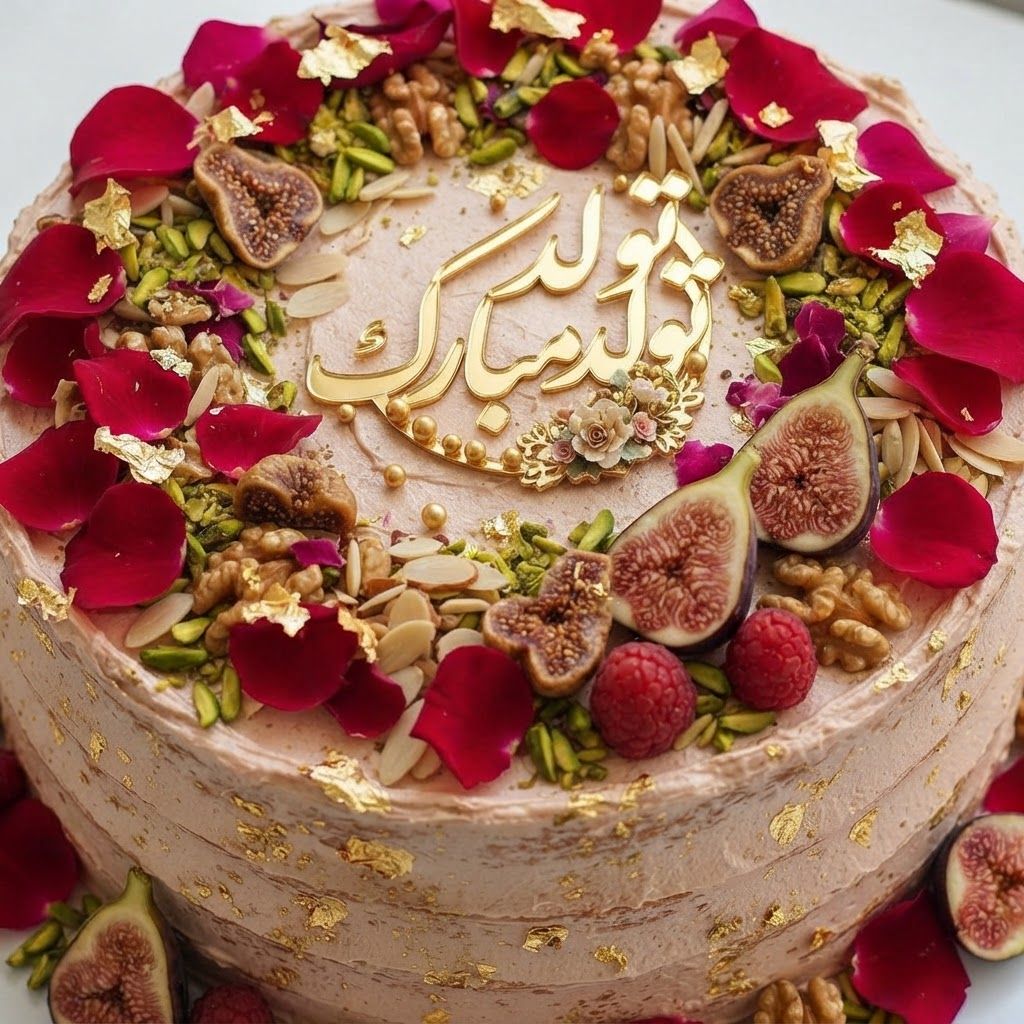
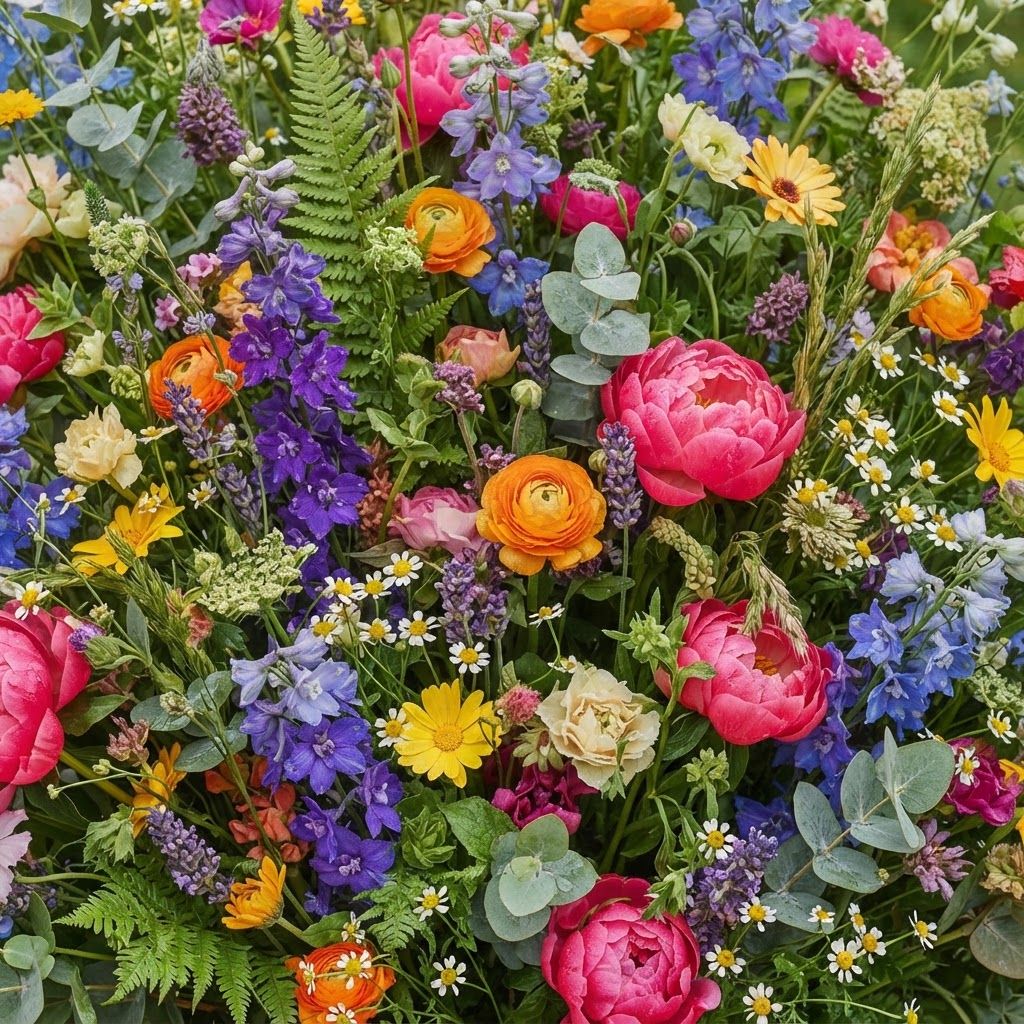
AI Design for سلام

This is a square 1:1 image for posts. Fill the whole frame edge to edge and scale the subject large. Do not leave empty margin.

سلام This is a square 1:1 image for posts. Fill the whole frame edge to edge and scale the subject large. Do not leave empty margin.

by @Elephant_5180853

AI Design for second police, and to the metering like I said

second police, and to the metering like I said

by @Elephant_9401247

AI Design for give me different suggestions for fonts, and the metering needs to me more bold in the size, but more subtle in its display

give me different suggestions for fonts, and the metering needs to me more bold in the size, but more subtle in its display

by @Elephant_9401247

AI Design for The text needs to bewhite , the tool as well

The text needs to bewhite , the tool as well

by @Elephant_9401247

AI Design for Looks even more AI, I want an SVG type logo, (remove the text at the bottom and the red ruler), I want it to be an illustration

Looks even more AI, I want an SVG type logo, (remove the text at the bottom and the red ruler), I want it to be an illustration

by @Elephant_9401247

AI Design for This is an AI generated logo, I like it but it lacks life,

This is an AI generated logo, I like it but it lacks life,

by @Elephant_9401247

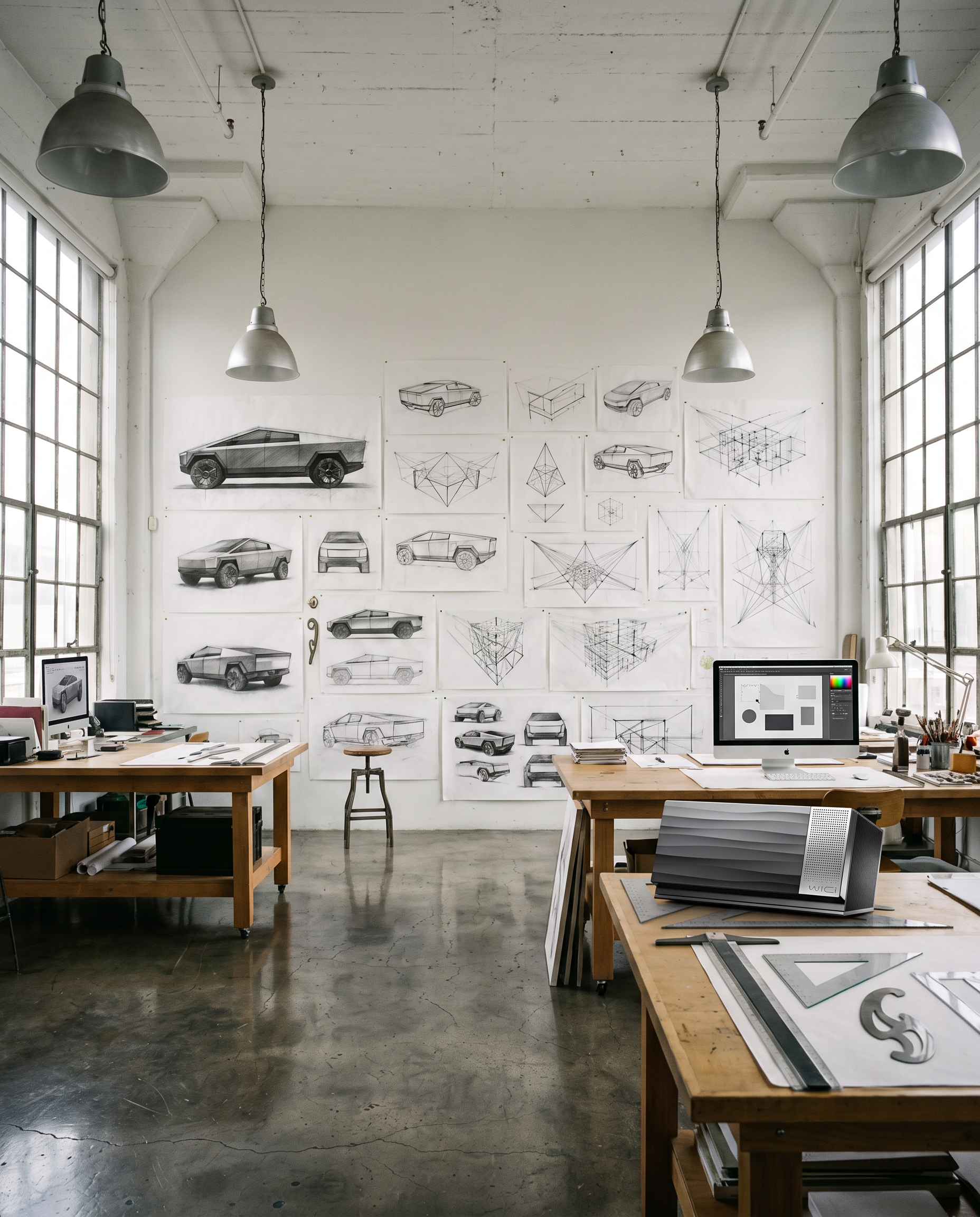
AI Design for Create a photorealistic editorial image using the supplied studio photograph as the primary reference for architecture, composition, lighting, and atmosphere. Use the supplied @product[Wici:160]  render as the exact reference for the device.

Preserve the spacious design studio: high white walls, tall industrial windows, soft natural daylight, design sketches and work pinned across the walls, and authentic wooden worktables. Keep the room calm, believable, and lightly lived-in, with natural material textures and restrained colours. Maintain the original camera angle and sense of depth.

Add two slim desktop monitors on separate worktables. Each screen should show a creative task actively in progress: one with a 3D modelling viewport and a partially completed render, the other with a visual design workspace containing shapes, images, and colour panels. Make the screens convincing through visual content, without readable interface text.

Place one @product[Wici:160]  device openly on a worktable beside one of the monitors, in the mid-ground. It should remain small within the overall composition, clearly visible and naturally integrated into the workspace. Match its perspective, scale, daylight, and contact shadow to the surrounding objects. Keep it fully unobstructed so it can be isolated for compositing.

Match the product reference precisely: a compact horizontal enclosure with substantial depth, softly rounded corners, a subtly textured cool-grey front, a sloped physical transition into a graphite-black lower housing, a narrow brushed-silver perforated strip on the right, and fine black cooling fins on the visible side. Preserve the original proportions and materials. Do not redesign or mirror the device.

Use soft daylight, realistic exposure, gentle shadows, and enough depth of field to keep the studio and device legible. The result should feel like an authentic photograph of a working design studio, with the product treated as an everyday tool.

Compose in a 4:5 portrait format, keeping the essential elements grouped so the scene can later be adapted to square and wide landscape formats.

No people added. No desktop tower PCs. No dramatic product spotlight, artificial glow, visible Wi-Fi symbols, floating elements, advertising graphics, headlines, captions, badges, watermarks, or readable text anywhere in the image.

The attached images are product reference photos. Use them to ensure accurate product representation in the generated image.

Product-specific instructions: Product details to preserve
Dimensions: 340 × 200 × 143 mm. Maintain realistic scale when placing the product beside other devices, furniture, or people.
Compact, horizontal form with softly rounded corners.
Textured grey surface with subtle flowing waves.
Diagonal transition between the grey shell and dark lower housing.
Silver perforated panel on the right, with a small, understated WiCi logo below the holes.
Fine black fins and restrained metallic finishes.
The product palette is silver, purple, cool grey, graphite, and near-black. Use official renders as the reference for proportions, materials, and construction.

Physical size (for scale only — never print this measurement, these numbers, or these units anywhere on the image): 340 x 200 x 143 mm.

Create a photorealistic editorial image using the supplied studio photograph as the primary reference for architecture, composition, lighting, and atmosphere. Use the supplied @product[Wici:160] render as the exact reference for the device. Preserve the spacious design studio: high white walls, tall industrial windows, soft natural daylight, design sketches and work pinned across the walls, and authentic wooden worktables. Keep the room calm, believable, and lightly lived-in, with natural material textures and restrained colours. Maintain the original camera angle and sense of depth. Add two slim desktop monitors on separate worktables. Each screen should show a creative task actively in progress: one with a 3D modelling viewport and a partially completed render, the other with a visual design workspace containing shapes, images, and colour panels. Make the screens convincing through visual content, without readable interface text. Place one @product[Wici:160] device openly on a worktable beside one of the monitors, in the mid-ground. It should remain small within the overall composition, clearly visible and naturally integrated into the workspace. Match its perspective, scale, daylight, and contact shadow to the surrounding objects. Keep it fully unobstructed so it can be isolated for compositing. Match the product reference precisely: a compact horizontal enclosure with substantial depth, softly rounded corners, a subtly textured cool-grey front, a sloped physical transition into a graphite-black lower housing, a narrow brushed-silver perforated strip on the right, and fine black cooling fins on the visible side. Preserve the original proportions and materials. Do not redesign or mirror the device. Use soft daylight, realistic exposure, gentle shadows, and enough depth of field to keep the studio and device legible. The result should feel like an authentic photograph of a working design studio, with the product treated as an everyday tool. Compose in a 4:5 portrait format, keeping the essential elements grouped so the scene can later be adapted to square and wide landscape formats. No people added. No desktop tower PCs. No dramatic product spotlight, artificial glow, visible Wi-Fi symbols, floating elements, advertising graphics, headlines, captions, badges, watermarks, or readable text anywhere in the image. The attached images are product reference photos. Use them to ensure accurate product representation in the generated image. Product-specific instructions: Product details to preserve Dimensions: 340 × 200 × 143 mm. Maintain realistic scale when placing the product beside other devices, furniture, or people. Compact, horizontal form with softly rounded corners. Textured grey surface with subtle flowing waves. Diagonal transition between the grey shell and dark lower housing. Silver perforated panel on the right, with a small, understated WiCi logo below the holes. Fine black fins and restrained metallic finishes. The product palette is silver, purple, cool grey, graphite, and near-black. Use official renders as the reference for proportions, materials, and construction. Physical size (for scale only — never print this measurement, these numbers, or these units anywhere on the image): 340 x 200 x 143 mm.

by @Elephant_8958251
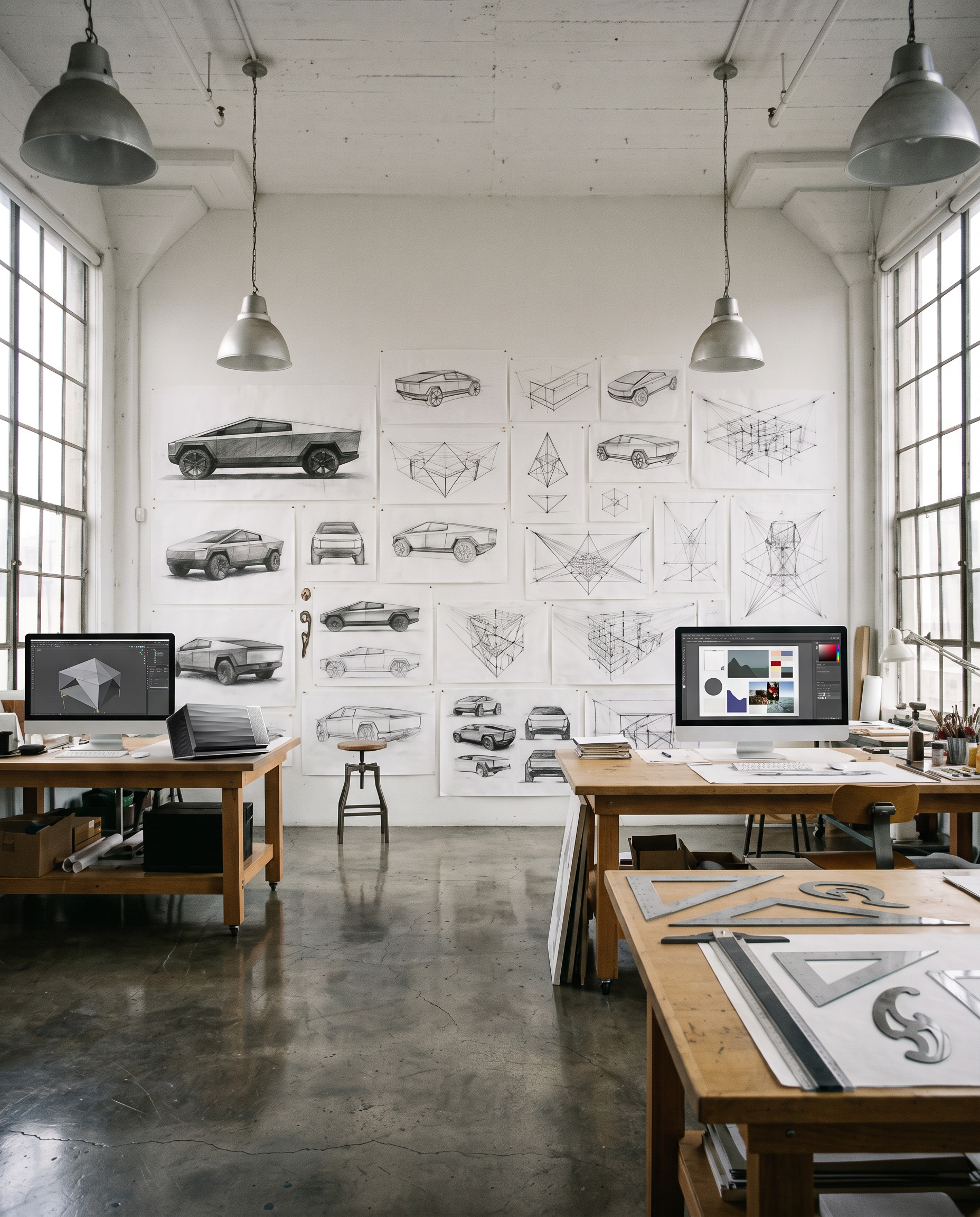
AI Design for Create a photorealistic editorial image using the supplied studio photograph as the primary reference for architecture, composition, lighting, and atmosphere. Use the supplied @product[Wici:160]  render as the exact reference for the device.

Preserve the spacious design studio: high white walls, tall industrial windows, soft natural daylight, design sketches and work pinned across the walls, and authentic wooden worktables. Keep the room calm, believable, and lightly lived-in, with natural material textures and restrained colours. Maintain the original camera angle and sense of depth.

Add two slim desktop monitors on separate worktables. Each screen should show a creative task actively in progress: one with a 3D modelling viewport and a partially completed render, the other with a visual design workspace containing shapes, images, and colour panels. Make the screens convincing through visual content, without readable interface text.

Place one @product[Wici:160]  device openly on a worktable beside one of the monitors, in the mid-ground. It should remain small within the overall composition, clearly visible and naturally integrated into the workspace. Match its perspective, scale, daylight, and contact shadow to the surrounding objects. Keep it fully unobstructed so it can be isolated for compositing.

Match the product reference precisely: a compact horizontal enclosure with substantial depth, softly rounded corners, a subtly textured cool-grey front, a sloped physical transition into a graphite-black lower housing, a narrow brushed-silver perforated strip on the right, and fine black cooling fins on the visible side. Preserve the original proportions and materials. Do not redesign or mirror the device.

Use soft daylight, realistic exposure, gentle shadows, and enough depth of field to keep the studio and device legible. The result should feel like an authentic photograph of a working design studio, with the product treated as an everyday tool.

Compose in a 4:5 portrait format, keeping the essential elements grouped so the scene can later be adapted to square and wide landscape formats.

No people added. No desktop tower PCs. No dramatic product spotlight, artificial glow, visible Wi-Fi symbols, floating elements, advertising graphics, headlines, captions, badges, watermarks, or readable text anywhere in the image.

The attached images are product reference photos. Use them to ensure accurate product representation in the generated image.

Product-specific instructions: Product details to preserve
Dimensions: 340 × 200 × 143 mm. Maintain realistic scale when placing the product beside other devices, furniture, or people.
Compact, horizontal form with softly rounded corners.
Textured grey surface with subtle flowing waves.
Diagonal transition between the grey shell and dark lower housing.
Silver perforated panel on the right, with a small, understated WiCi logo below the holes.
Fine black fins and restrained metallic finishes.
The product palette is silver, purple, cool grey, graphite, and near-black. Use official renders as the reference for proportions, materials, and construction.

Physical size (for scale only — never print this measurement, these numbers, or these units anywhere on the image): 340 x 200 x 143 mm.

Create a photorealistic editorial image using the supplied studio photograph as the primary reference for architecture, composition, lighting, and atmosphere. Use the supplied @product[Wici:160] render as the exact reference for the device. Preserve the spacious design studio: high white walls, tall industrial windows, soft natural daylight, design sketches and work pinned across the walls, and authentic wooden worktables. Keep the room calm, believable, and lightly lived-in, with natural material textures and restrained colours. Maintain the original camera angle and sense of depth. Add two slim desktop monitors on separate worktables. Each screen should show a creative task actively in progress: one with a 3D modelling viewport and a partially completed render, the other with a visual design workspace containing shapes, images, and colour panels. Make the screens convincing through visual content, without readable interface text. Place one @product[Wici:160] device openly on a worktable beside one of the monitors, in the mid-ground. It should remain small within the overall composition, clearly visible and naturally integrated into the workspace. Match its perspective, scale, daylight, and contact shadow to the surrounding objects. Keep it fully unobstructed so it can be isolated for compositing. Match the product reference precisely: a compact horizontal enclosure with substantial depth, softly rounded corners, a subtly textured cool-grey front, a sloped physical transition into a graphite-black lower housing, a narrow brushed-silver perforated strip on the right, and fine black cooling fins on the visible side. Preserve the original proportions and materials. Do not redesign or mirror the device. Use soft daylight, realistic exposure, gentle shadows, and enough depth of field to keep the studio and device legible. The result should feel like an authentic photograph of a working design studio, with the product treated as an everyday tool. Compose in a 4:5 portrait format, keeping the essential elements grouped so the scene can later be adapted to square and wide landscape formats. No people added. No desktop tower PCs. No dramatic product spotlight, artificial glow, visible Wi-Fi symbols, floating elements, advertising graphics, headlines, captions, badges, watermarks, or readable text anywhere in the image. The attached images are product reference photos. Use them to ensure accurate product representation in the generated image. Product-specific instructions: Product details to preserve Dimensions: 340 × 200 × 143 mm. Maintain realistic scale when placing the product beside other devices, furniture, or people. Compact, horizontal form with softly rounded corners. Textured grey surface with subtle flowing waves. Diagonal transition between the grey shell and dark lower housing. Silver perforated panel on the right, with a small, understated WiCi logo below the holes. Fine black fins and restrained metallic finishes. The product palette is silver, purple, cool grey, graphite, and near-black. Use official renders as the reference for proportions, materials, and construction. Physical size (for scale only — never print this measurement, these numbers, or these units anywhere on the image): 340 x 200 x 143 mm.

by @Elephant_8958251
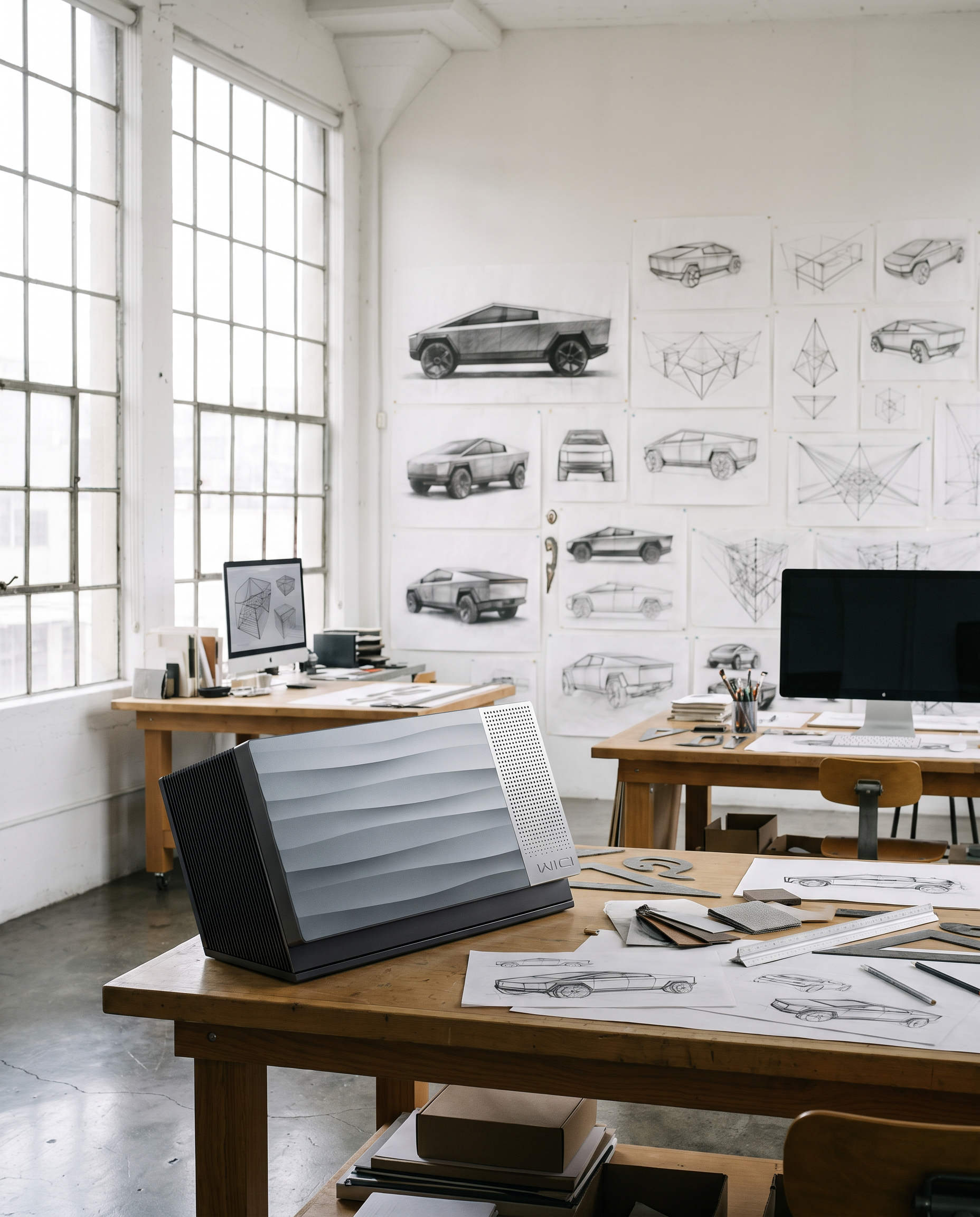
AI Design for A photorealistic editorial interior photograph of a spacious, light-filled design studio with high white walls, tall industrial windows, and authentic wooden worktables adorned with design sketches and material samples. Soft natural daylight streams across the room, casting gentle shadows with a realistic depth of field. Two slim desktop monitors sit on separate worktables in the mid-ground, displaying abstract 3D modelling viewports and visual design workspaces without readable text. Placed naturally on a worktable beside one of the monitors is @product@product@product[Wici:160], featuring its compact horizontal enclosure, softly rounded corners, textured cool-grey front with subtle flowing waves, sloped diagonal transition to the graphite-black lower housing, a narrow brushed-silver perforated strip on the right, and fine black cooling fins. The device is seamlessly integrated into the authentic working environment with accurate scale, perspective, and contact shadows, completely free of people, artificial glows, or text.

The attached images are product reference photos. Use them to ensure accurate product representation in the generated image.

Product-specific instructions: Product details to preserve
Dimensions: 340 × 200 × 143 mm. Maintain realistic scale when placing the product beside other devices, furniture, or people.
Compact, horizontal form with softly rounded corners.
Textured grey surface with subtle flowing waves.
Diagonal transition between the grey shell and dark lower housing.
Silver perforated panel on the right, with a small, understated WiCi logo below the holes.
Fine black fins and restrained metallic finishes.
The product palette is silver, purple, cool grey, graphite, and near-black. Use official renders as the reference for proportions, materials, and construction.

Physical size (for scale only — never print this measurement, these numbers, or these units anywhere on the image): 340 x 200 x 143 mm.

A photorealistic editorial interior photograph of a spacious, light-filled design studio with high white walls, tall industrial windows, and authentic wooden worktables adorned with design sketches and material samples. Soft natural daylight streams across the room, casting gentle shadows with a realistic depth of field. Two slim desktop monitors sit on separate worktables in the mid-ground, displaying abstract 3D modelling viewports and visual design workspaces without readable text. Placed naturally on a worktable beside one of the monitors is @product@product@product[Wici:160], featuring its compact horizontal enclosure, softly rounded corners, textured cool-grey front with subtle flowing waves, sloped diagonal transition to the graphite-black lower housing, a narrow brushed-silver perforated strip on the right, and fine black cooling fins. The device is seamlessly integrated into the authentic working environment with accurate scale, perspective, and contact shadows, completely free of people, artificial glows, or text. The attached images are product reference photos. Use them to ensure accurate product representation in the generated image. Product-specific instructions: Product details to preserve Dimensions: 340 × 200 × 143 mm. Maintain realistic scale when placing the product beside other devices, furniture, or people. Compact, horizontal form with softly rounded corners. Textured grey surface with subtle flowing waves. Diagonal transition between the grey shell and dark lower housing. Silver perforated panel on the right, with a small, understated WiCi logo below the holes. Fine black fins and restrained metallic finishes. The product palette is silver, purple, cool grey, graphite, and near-black. Use official renders as the reference for proportions, materials, and construction. Physical size (for scale only — never print this measurement, these numbers, or these units anywhere on the image): 340 x 200 x 143 mm.

by @Elephant_8958251

AI Design for A photorealistic editorial interior photograph of a spacious, light-filled design studio with high white walls, tall industrial windows, and authentic wooden worktables adorned with design sketches and material samples. Soft natural daylight streams across the room, casting gentle shadows with a realistic depth of field. Two slim desktop monitors sit on separate worktables in the mid-ground, displaying abstract 3D modelling viewports and visual design workspaces without readable text. Placed naturally on a worktable beside one of the monitors is @product@product@product[Wici:160], featuring its compact horizontal enclosure, softly rounded corners, textured cool-grey front with subtle flowing waves, sloped diagonal transition to the graphite-black lower housing, a narrow brushed-silver perforated strip on the right, and fine black cooling fins. The device is seamlessly integrated into the authentic working environment with accurate scale, perspective, and contact shadows, completely free of people, artificial glows, or text.

The attached images are product reference photos. Use them to ensure accurate product representation in the generated image.

Product-specific instructions: Product details to preserve
Dimensions: 340 × 200 × 143 mm. Maintain realistic scale when placing the product beside other devices, furniture, or people.
Compact, horizontal form with softly rounded corners.
Textured grey surface with subtle flowing waves.
Diagonal transition between the grey shell and dark lower housing.
Silver perforated panel on the right, with a small, understated WiCi logo below the holes.
Fine black fins and restrained metallic finishes.
The product palette is silver, purple, cool grey, graphite, and near-black. Use official renders as the reference for proportions, materials, and construction.

Physical size (for scale only — never print this measurement, these numbers, or these units anywhere on the image): 340 x 200 x 143 mm.

A photorealistic editorial interior photograph of a spacious, light-filled design studio with high white walls, tall industrial windows, and authentic wooden worktables adorned with design sketches and material samples. Soft natural daylight streams across the room, casting gentle shadows with a realistic depth of field. Two slim desktop monitors sit on separate worktables in the mid-ground, displaying abstract 3D modelling viewports and visual design workspaces without readable text. Placed naturally on a worktable beside one of the monitors is @product@product@product[Wici:160], featuring its compact horizontal enclosure, softly rounded corners, textured cool-grey front with subtle flowing waves, sloped diagonal transition to the graphite-black lower housing, a narrow brushed-silver perforated strip on the right, and fine black cooling fins. The device is seamlessly integrated into the authentic working environment with accurate scale, perspective, and contact shadows, completely free of people, artificial glows, or text. The attached images are product reference photos. Use them to ensure accurate product representation in the generated image. Product-specific instructions: Product details to preserve Dimensions: 340 × 200 × 143 mm. Maintain realistic scale when placing the product beside other devices, furniture, or people. Compact, horizontal form with softly rounded corners. Textured grey surface with subtle flowing waves. Diagonal transition between the grey shell and dark lower housing. Silver perforated panel on the right, with a small, understated WiCi logo below the holes. Fine black fins and restrained metallic finishes. The product palette is silver, purple, cool grey, graphite, and near-black. Use official renders as the reference for proportions, materials, and construction. Physical size (for scale only — never print this measurement, these numbers, or these units anywhere on the image): 340 x 200 x 143 mm.

by @Elephant_8958251
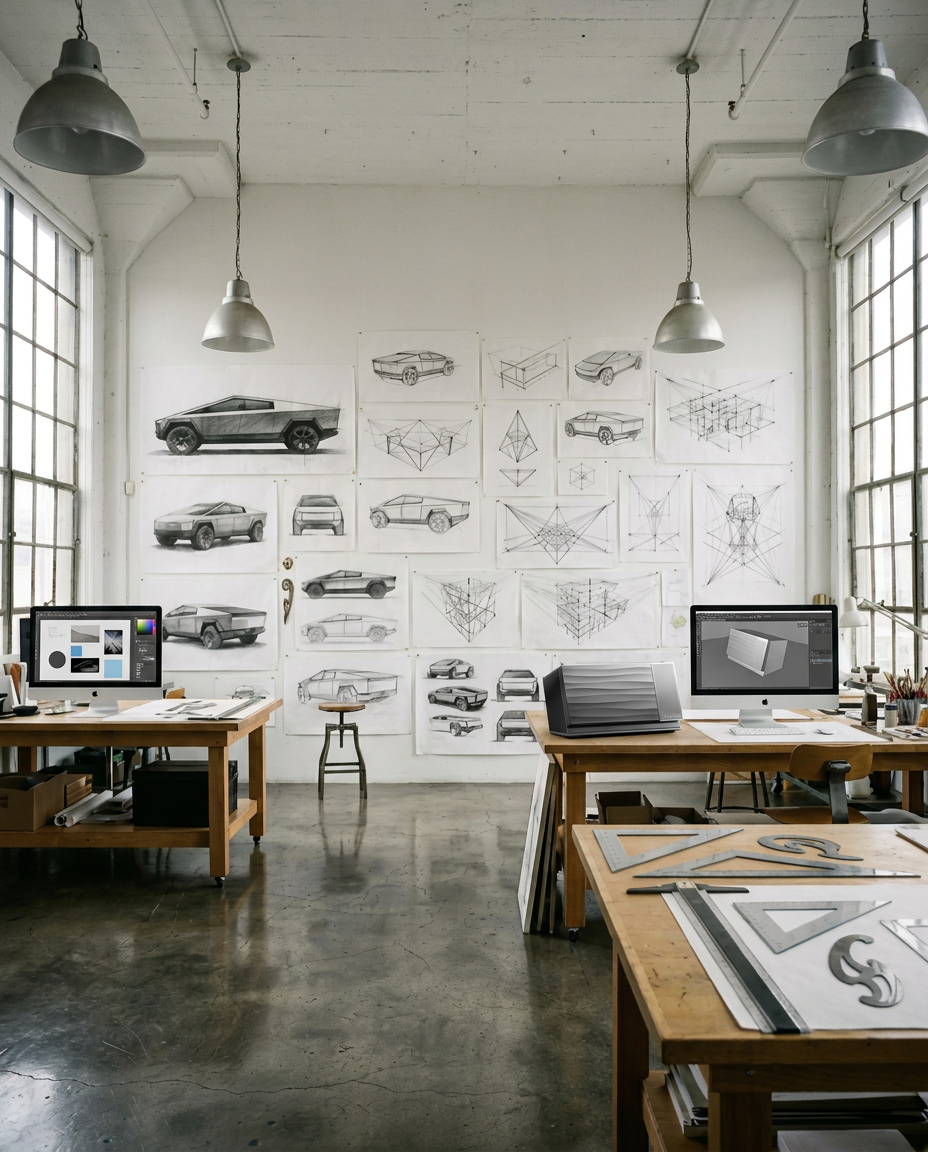
AI Design for Create a photorealistic editorial image using the supplied studio photograph as the primary reference for architecture, composition, lighting, and atmosphere. Use the supplied @product[Wici:160]  product render as the exact reference for the device.

Preserve the spacious design studio: high white walls, tall industrial windows, soft natural daylight, design sketches and work pinned across the walls, and authentic wooden worktables. Keep the room calm, believable, and lightly lived-in, with natural material textures and restrained colours. Maintain the original camera angle and sense of depth.

Add two slim desktop monitors on separate worktables. Each screen should show a creative task actively in progress: one with a 3D modelling viewport and a partially completed render, the other with a visual design workspace containing shapes, images, and colour panels. Make the screens convincing through visual content, without readable interface text.

Place one @product[Wici:160]  openly on a worktable beside one of the monitors, in the mid-ground. It should remain small within the overall composition, clearly visible and naturally integrated into the workspace. Match its perspective, scale, daylight, and contact shadow to the surrounding objects. Keep it fully unobstructed so it can be isolated for compositing.

Match the product reference precisely: a compact horizontal enclosure with substantial depth, softly rounded corners, a subtly textured cool-grey front, a sloped physical transition into a graphite-black lower housing, a narrow brushed-silver perforated strip on the right, and fine black cooling fins on the visible side. Preserve the original proportions and materials. Do not redesign or mirror the device.

Use soft daylight, realistic exposure, gentle shadows, and enough depth of field to keep the studio and device legible. The result should feel like an authentic photograph of a working design studio, with the product treated as an everyday tool.

Compose in a 4:5 portrait format, keeping the essential elements grouped so the scene can later be adapted to square and wide landscape formats.

No people added. No desktop tower PCs. No dramatic product spotlight, artificial glow, visible Wi-Fi symbols, floating elements, advertising graphics, headlines, captions, badges, watermarks, or readable text anywhere in the image.

The attached images are product reference photos. Use them to ensure accurate product representation in the generated image.

Product-specific instructions: Product details to preserve
Dimensions: 340 × 200 × 143 mm. Maintain realistic scale when placing the product beside other devices, furniture, or people.
Compact, horizontal form with softly rounded corners.
Textured grey surface with subtle flowing waves.
Diagonal transition between the grey shell and dark lower housing.
Silver perforated panel on the right, with a small, understated WiCi logo below the holes.
Fine black fins and restrained metallic finishes.
The product palette is silver, purple, cool grey, graphite, and near-black. Use official renders as the reference for proportions, materials, and construction.

Physical size (for scale only — never print this measurement, these numbers, or these units anywhere on the image): 340 x 200 x 143 mm.

Create a photorealistic editorial image using the supplied studio photograph as the primary reference for architecture, composition, lighting, and atmosphere. Use the supplied @product[Wici:160] product render as the exact reference for the device. Preserve the spacious design studio: high white walls, tall industrial windows, soft natural daylight, design sketches and work pinned across the walls, and authentic wooden worktables. Keep the room calm, believable, and lightly lived-in, with natural material textures and restrained colours. Maintain the original camera angle and sense of depth. Add two slim desktop monitors on separate worktables. Each screen should show a creative task actively in progress: one with a 3D modelling viewport and a partially completed render, the other with a visual design workspace containing shapes, images, and colour panels. Make the screens convincing through visual content, without readable interface text. Place one @product[Wici:160] openly on a worktable beside one of the monitors, in the mid-ground. It should remain small within the overall composition, clearly visible and naturally integrated into the workspace. Match its perspective, scale, daylight, and contact shadow to the surrounding objects. Keep it fully unobstructed so it can be isolated for compositing. Match the product reference precisely: a compact horizontal enclosure with substantial depth, softly rounded corners, a subtly textured cool-grey front, a sloped physical transition into a graphite-black lower housing, a narrow brushed-silver perforated strip on the right, and fine black cooling fins on the visible side. Preserve the original proportions and materials. Do not redesign or mirror the device. Use soft daylight, realistic exposure, gentle shadows, and enough depth of field to keep the studio and device legible. The result should feel like an authentic photograph of a working design studio, with the product treated as an everyday tool. Compose in a 4:5 portrait format, keeping the essential elements grouped so the scene can later be adapted to square and wide landscape formats. No people added. No desktop tower PCs. No dramatic product spotlight, artificial glow, visible Wi-Fi symbols, floating elements, advertising graphics, headlines, captions, badges, watermarks, or readable text anywhere in the image. The attached images are product reference photos. Use them to ensure accurate product representation in the generated image. Product-specific instructions: Product details to preserve Dimensions: 340 × 200 × 143 mm. Maintain realistic scale when placing the product beside other devices, furniture, or people. Compact, horizontal form with softly rounded corners. Textured grey surface with subtle flowing waves. Diagonal transition between the grey shell and dark lower housing. Silver perforated panel on the right, with a small, understated WiCi logo below the holes. Fine black fins and restrained metallic finishes. The product palette is silver, purple, cool grey, graphite, and near-black. Use official renders as the reference for proportions, materials, and construction. Physical size (for scale only — never print this measurement, these numbers, or these units anywhere on the image): 340 x 200 x 143 mm.

by @Elephant_8958251
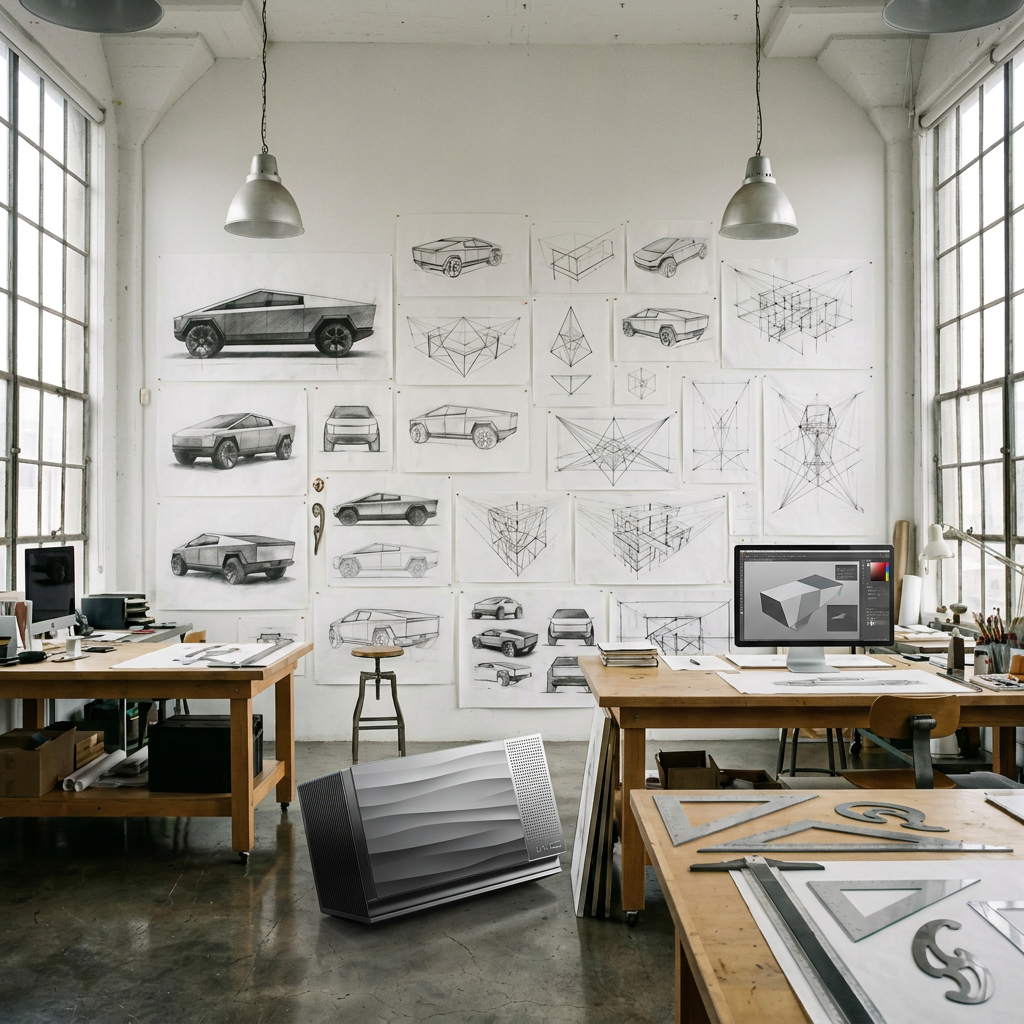
AI Design for Create a photorealistic editorial image using the supplied studio photograph as the primary reference for architecture, composition, lighting, and atmosphere. Use the supplied @product[Wici:160]  product render as the exact reference for the device.

Preserve the spacious design studio: high white walls, tall industrial windows, soft natural daylight, design sketches and work pinned across the walls, and authentic wooden worktables. Keep the room calm, believable, and lightly lived-in, with natural material textures and restrained colours. Maintain the original camera angle and sense of depth.

Add two slim desktop monitors on separate worktables. Each screen should show a creative task actively in progress: one with a 3D modelling viewport and a partially completed render, the other with a visual design workspace containing shapes, images, and colour panels. Make the screens convincing through visual content, without readable interface text.

Place one @product[Wici:160]  openly on a worktable beside one of the monitors, in the mid-ground. It should remain small within the overall composition, clearly visible and naturally integrated into the workspace. Match its perspective, scale, daylight, and contact shadow to the surrounding objects. Keep it fully unobstructed so it can be isolated for compositing.

Match the product reference precisely: a compact horizontal enclosure with substantial depth, softly rounded corners, a subtly textured cool-grey front, a sloped physical transition into a graphite-black lower housing, a narrow brushed-silver perforated strip on the right, and fine black cooling fins on the visible side. Preserve the original proportions and materials. Do not redesign or mirror the device.

Use soft daylight, realistic exposure, gentle shadows, and enough depth of field to keep the studio and device legible. The result should feel like an authentic photograph of a working design studio, with the product treated as an everyday tool.

Compose in a 4:5 portrait format, keeping the essential elements grouped so the scene can later be adapted to square and wide landscape formats.

No people added. No desktop tower PCs. No dramatic product spotlight, artificial glow, visible Wi-Fi symbols, floating elements, advertising graphics, headlines, captions, badges, watermarks, or readable text anywhere in the image.

The attached images are product reference photos. Use them to ensure accurate product representation in the generated image.

Product-specific instructions: Product details to preserve
Dimensions: 340 × 200 × 143 mm. Maintain realistic scale when placing the product beside other devices, furniture, or people.
Compact, horizontal form with softly rounded corners.
Textured grey surface with subtle flowing waves.
Diagonal transition between the grey shell and dark lower housing.
Silver perforated panel on the right, with a small, understated WiCi logo below the holes.
Fine black fins and restrained metallic finishes.
The product palette is silver, purple, cool grey, graphite, and near-black. Use official renders as the reference for proportions, materials, and construction.

Physical size (for scale only — never print this measurement, these numbers, or these units anywhere on the image): 340 x 200 x 143 mm.

Create a photorealistic editorial image using the supplied studio photograph as the primary reference for architecture, composition, lighting, and atmosphere. Use the supplied @product[Wici:160] product render as the exact reference for the device. Preserve the spacious design studio: high white walls, tall industrial windows, soft natural daylight, design sketches and work pinned across the walls, and authentic wooden worktables. Keep the room calm, believable, and lightly lived-in, with natural material textures and restrained colours. Maintain the original camera angle and sense of depth. Add two slim desktop monitors on separate worktables. Each screen should show a creative task actively in progress: one with a 3D modelling viewport and a partially completed render, the other with a visual design workspace containing shapes, images, and colour panels. Make the screens convincing through visual content, without readable interface text. Place one @product[Wici:160] openly on a worktable beside one of the monitors, in the mid-ground. It should remain small within the overall composition, clearly visible and naturally integrated into the workspace. Match its perspective, scale, daylight, and contact shadow to the surrounding objects. Keep it fully unobstructed so it can be isolated for compositing. Match the product reference precisely: a compact horizontal enclosure with substantial depth, softly rounded corners, a subtly textured cool-grey front, a sloped physical transition into a graphite-black lower housing, a narrow brushed-silver perforated strip on the right, and fine black cooling fins on the visible side. Preserve the original proportions and materials. Do not redesign or mirror the device. Use soft daylight, realistic exposure, gentle shadows, and enough depth of field to keep the studio and device legible. The result should feel like an authentic photograph of a working design studio, with the product treated as an everyday tool. Compose in a 4:5 portrait format, keeping the essential elements grouped so the scene can later be adapted to square and wide landscape formats. No people added. No desktop tower PCs. No dramatic product spotlight, artificial glow, visible Wi-Fi symbols, floating elements, advertising graphics, headlines, captions, badges, watermarks, or readable text anywhere in the image. The attached images are product reference photos. Use them to ensure accurate product representation in the generated image. Product-specific instructions: Product details to preserve Dimensions: 340 × 200 × 143 mm. Maintain realistic scale when placing the product beside other devices, furniture, or people. Compact, horizontal form with softly rounded corners. Textured grey surface with subtle flowing waves. Diagonal transition between the grey shell and dark lower housing. Silver perforated panel on the right, with a small, understated WiCi logo below the holes. Fine black fins and restrained metallic finishes. The product palette is silver, purple, cool grey, graphite, and near-black. Use official renders as the reference for proportions, materials, and construction. Physical size (for scale only — never print this measurement, these numbers, or these units anywhere on the image): 340 x 200 x 143 mm.

by @Elephant_8958251
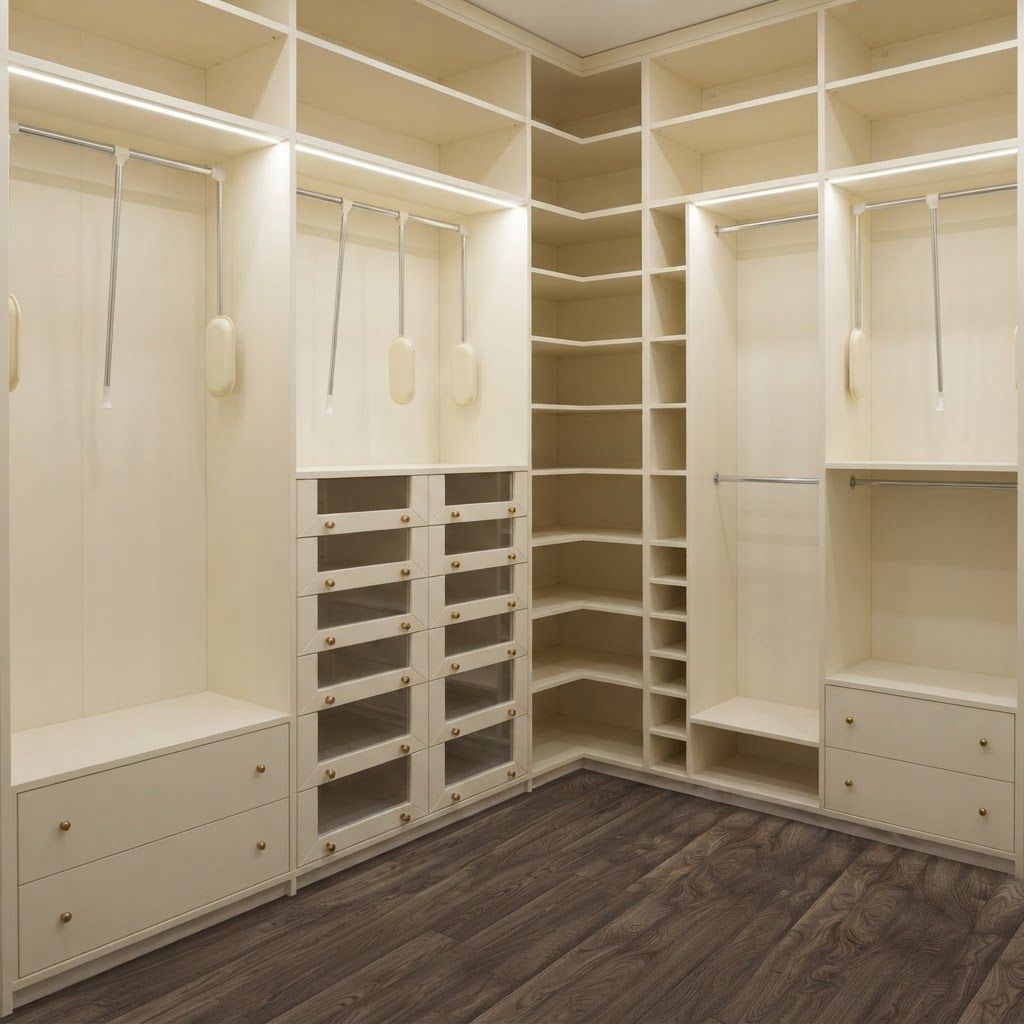
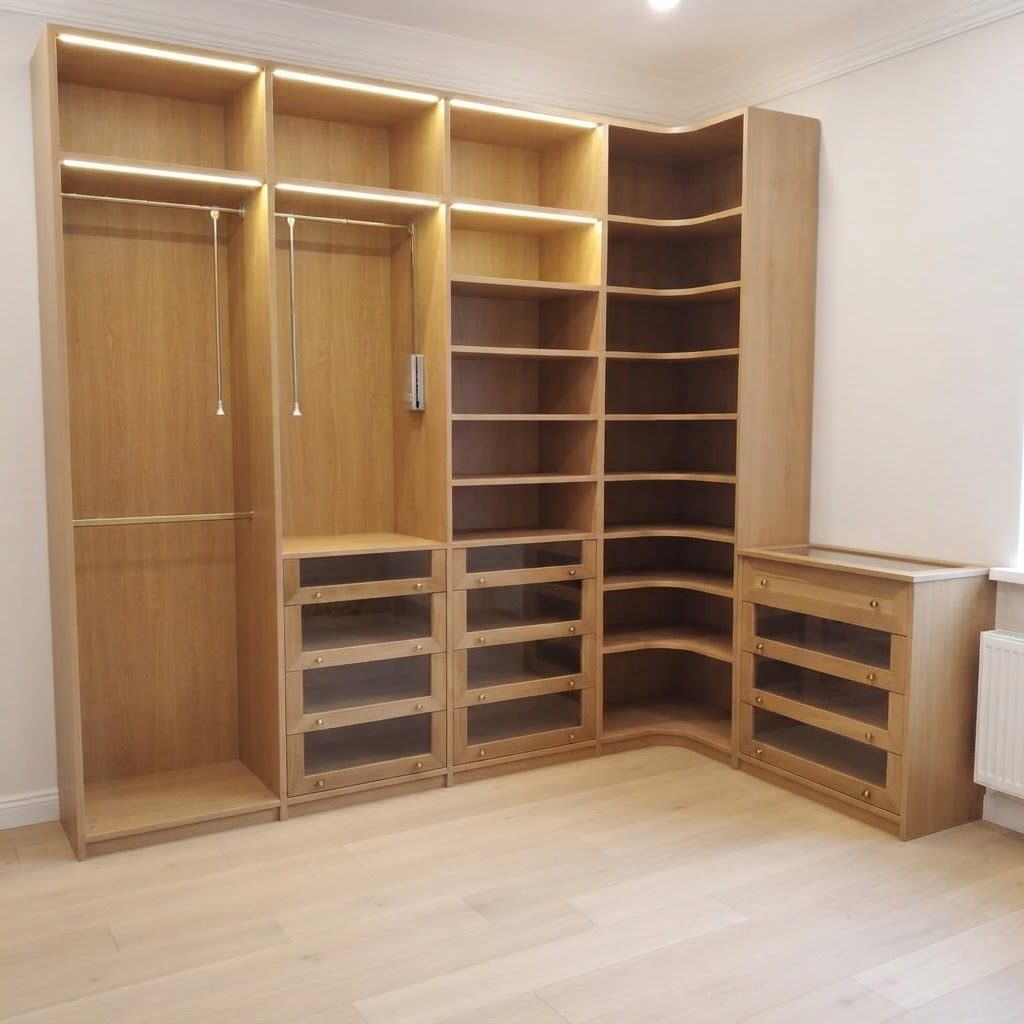
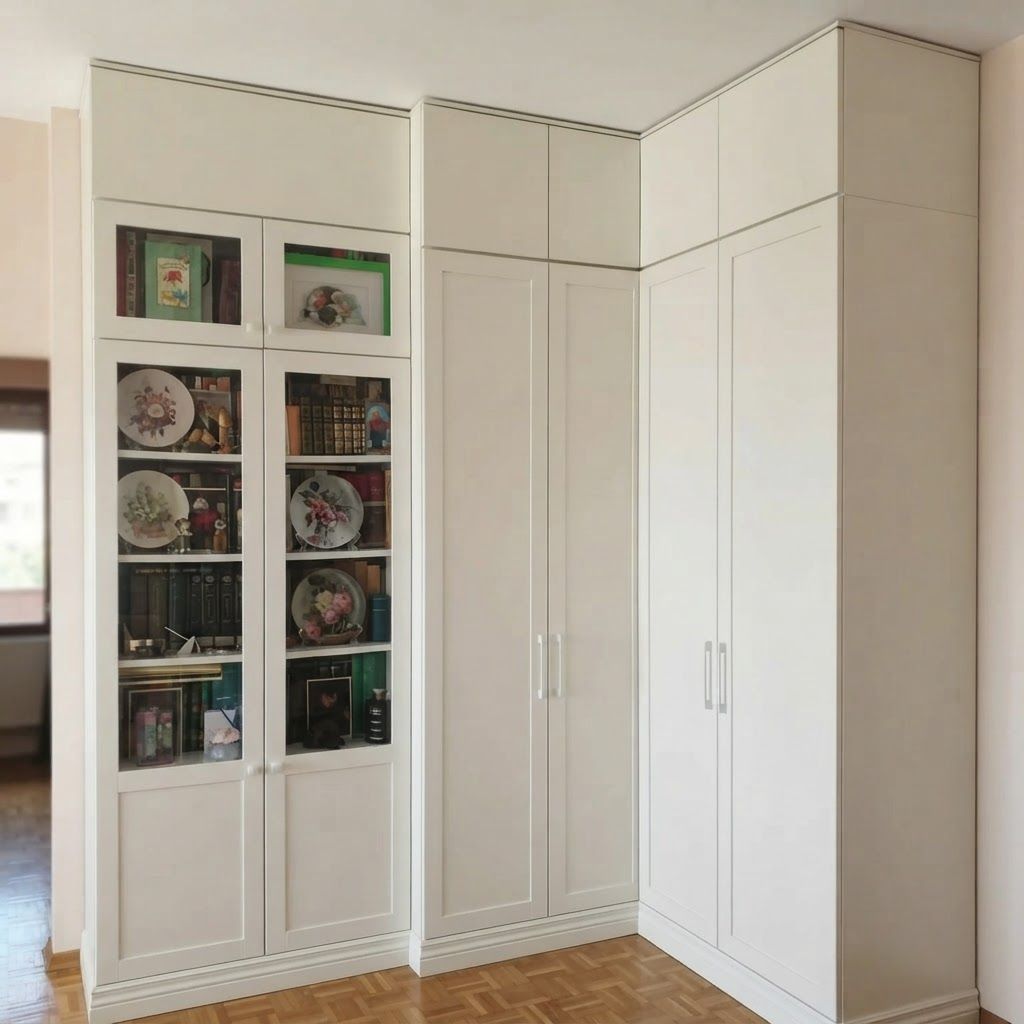
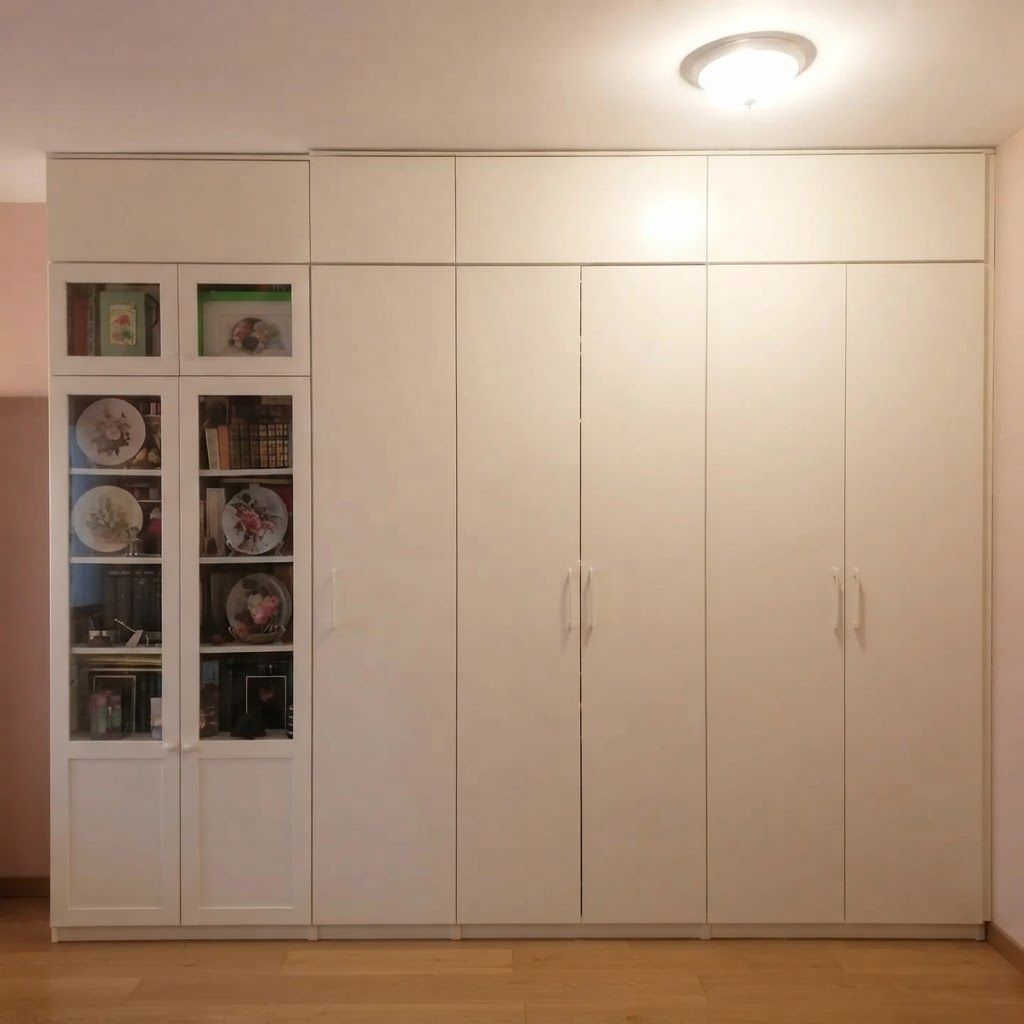
AI Design for Сделай горизонтальное фото угловой гардеробной

Сделай горизонтальное фото угловой гардеробной

by @Elephant_4354025

AI Design for Сделай горизонтальное фото угловой гардеробной

Сделай горизонтальное фото угловой гардеробной

by @Elephant_4354025

AI Design for Сделай горизонтальное фото угловой гардеробной

Сделай горизонтальное фото угловой гардеробной

by @Elephant_4354025

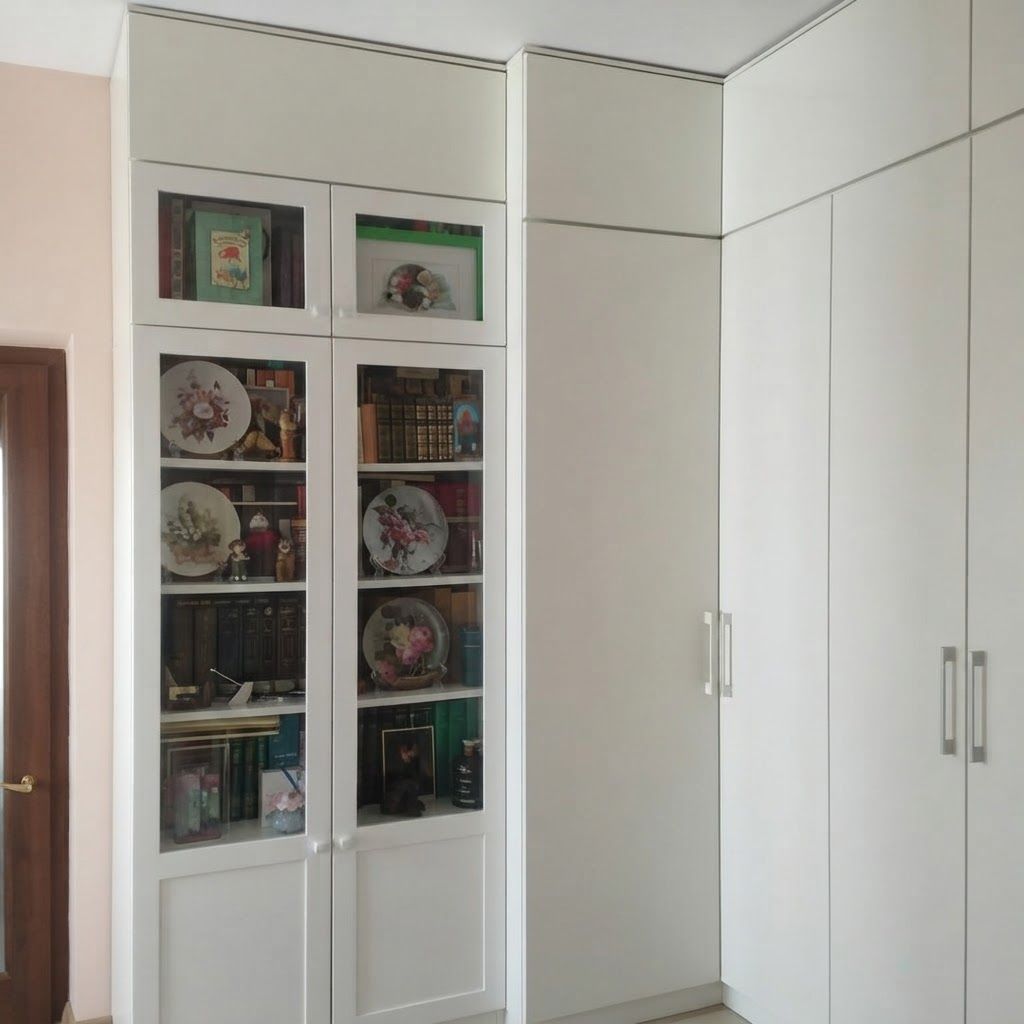
AI Design for Сделай горизонтальное фото углового шкафа.

Сделай горизонтальное фото углового шкафа.

by @Elephant_4354025

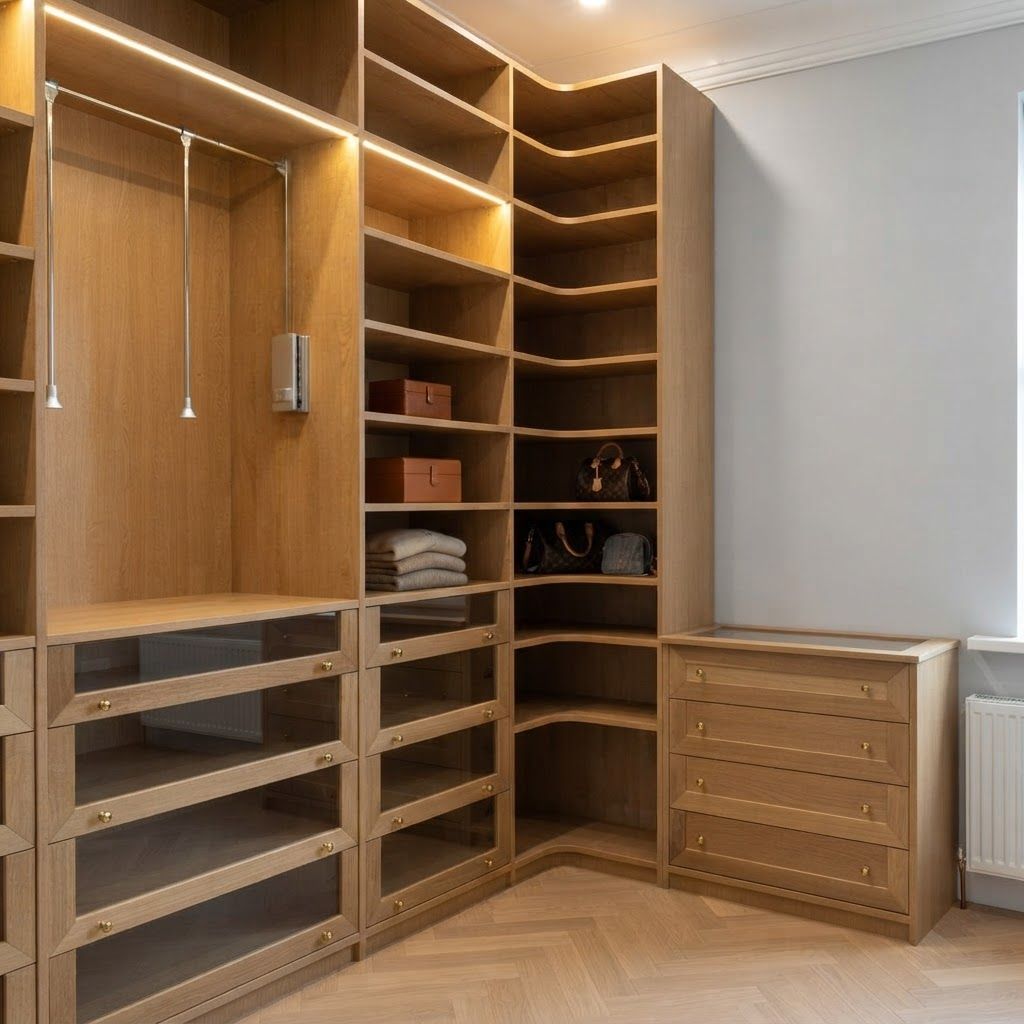
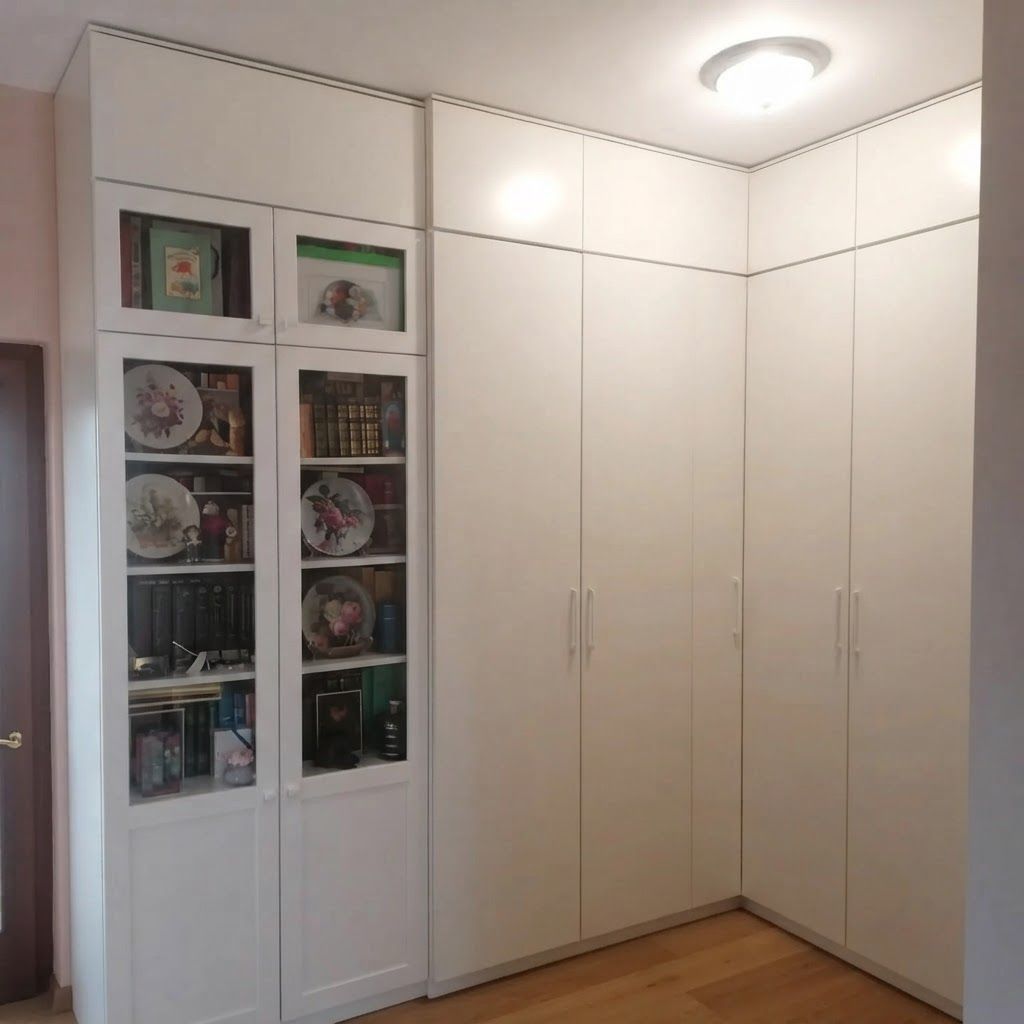
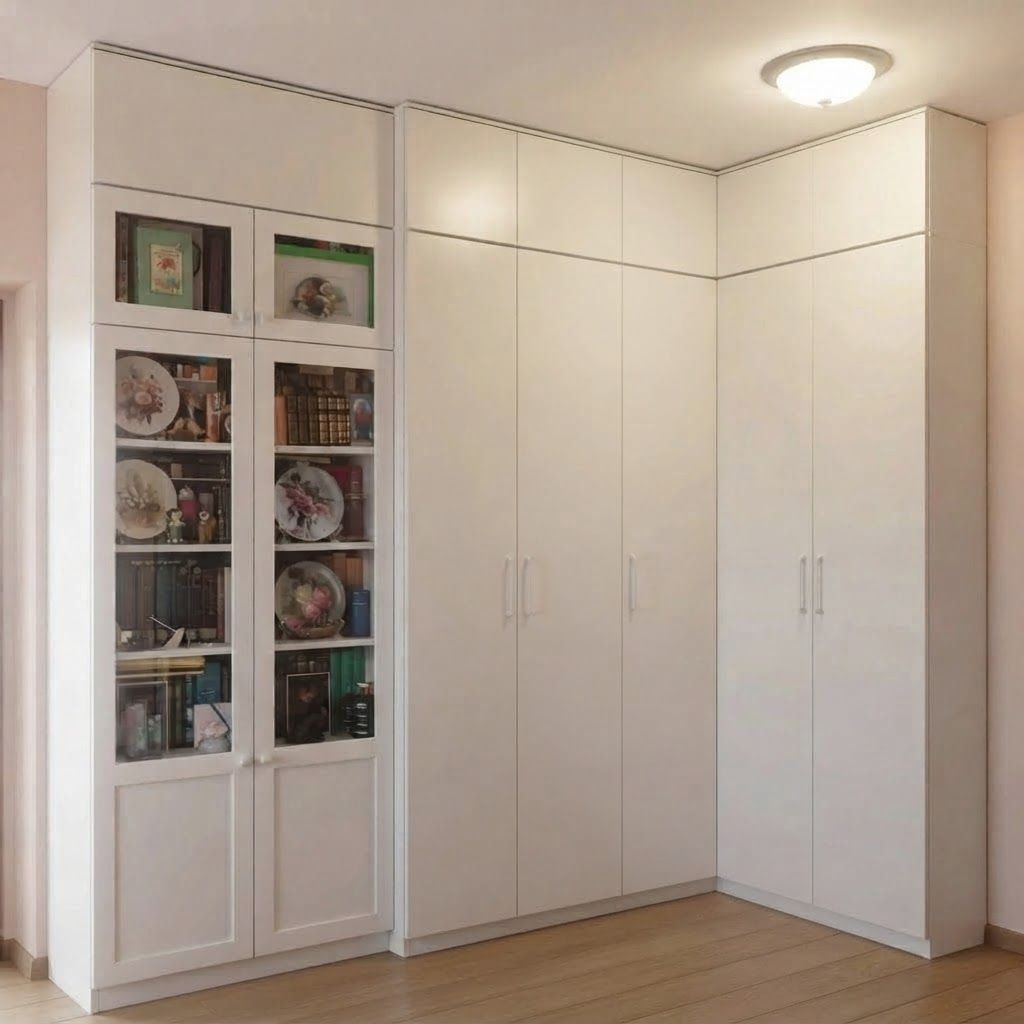
AI Design for Сделай горизонтальное фото углового шкафа на основании двух его фото с разных ракурсов.

Сделай горизонтальное фото углового шкафа на основании двух его фото с разных ракурсов.

by @Elephant_4354025

AI Design for Сделай горизонтальное фото углового шкафа на основании двух его фото с разных ракурсов.

Сделай горизонтальное фото углового шкафа на основании двух его фото с разных ракурсов.

by @Elephant_4354025

AI Design for The area highlighted in semi-transparent red in this image shows where to remove or clean up content. Remove or clean up the highlighted content.

The area highlighted in semi-transparent red in this image shows where to remove or clean up content. Remove or clean up the highlighted content.

by @Elephant_4354025

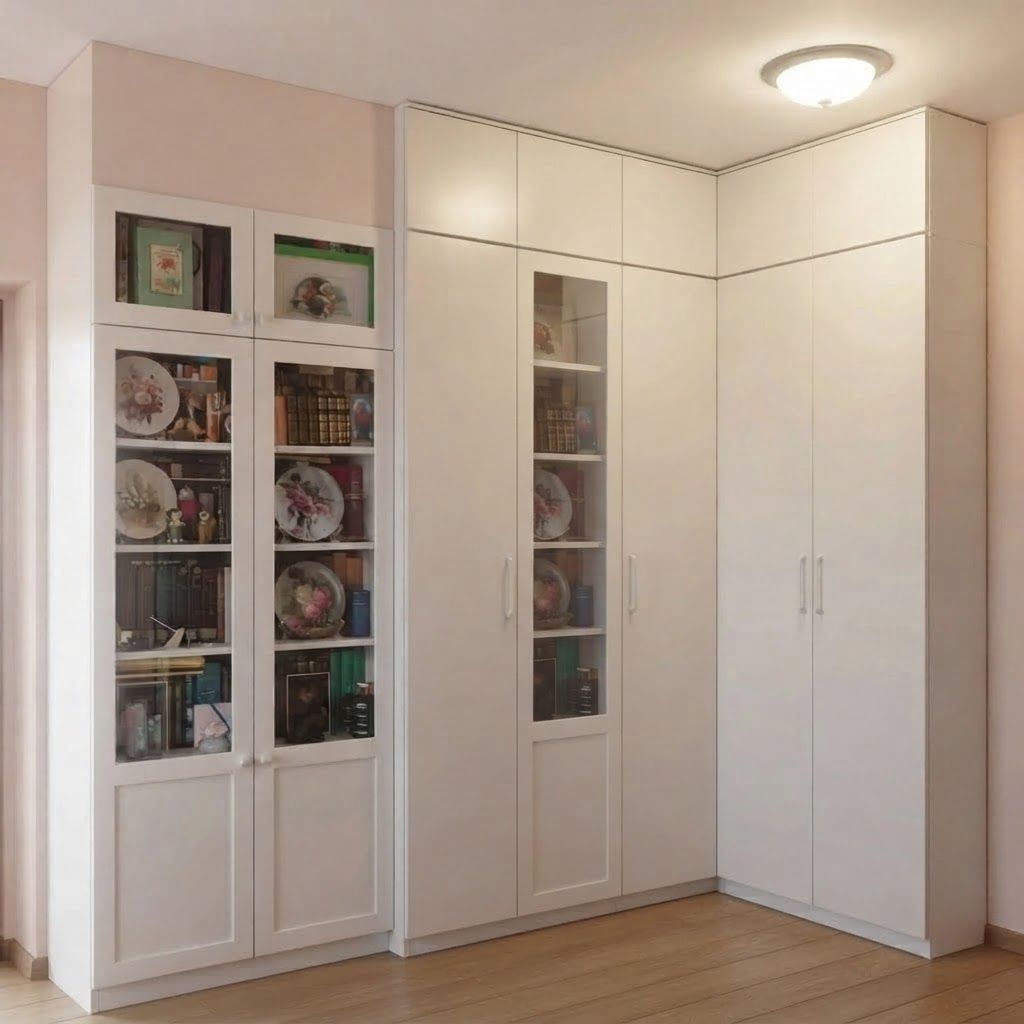
AI Design for This photo has temporary numbered markers (blue circles with white numbers and pointer stems). They are editing guides, not part of the scene.

Apply each change only near its marker:
1. Слева от угла должна быть витрина и одна закрытая секция, две других секции не нужны

Delete every marker completely. Do not leave any number, blue badge, white ring, pointer stem, or dot. The finished image must look like an unmarked photograph. Keep framing, lighting, and unmarked areas identical.

This photo has temporary numbered markers (blue circles with white numbers and pointer stems). They are editing guides, not part of the scene. Apply each change only near its marker: 1. Слева от угла должна быть витрина и одна закрытая секция, две других секции не нужны Delete every marker completely. Do not leave any number, blue badge, white ring, pointer stem, or dot. The finished image must look like an unmarked photograph. Keep framing, lighting, and unmarked areas identical.

by @Elephant_4354025
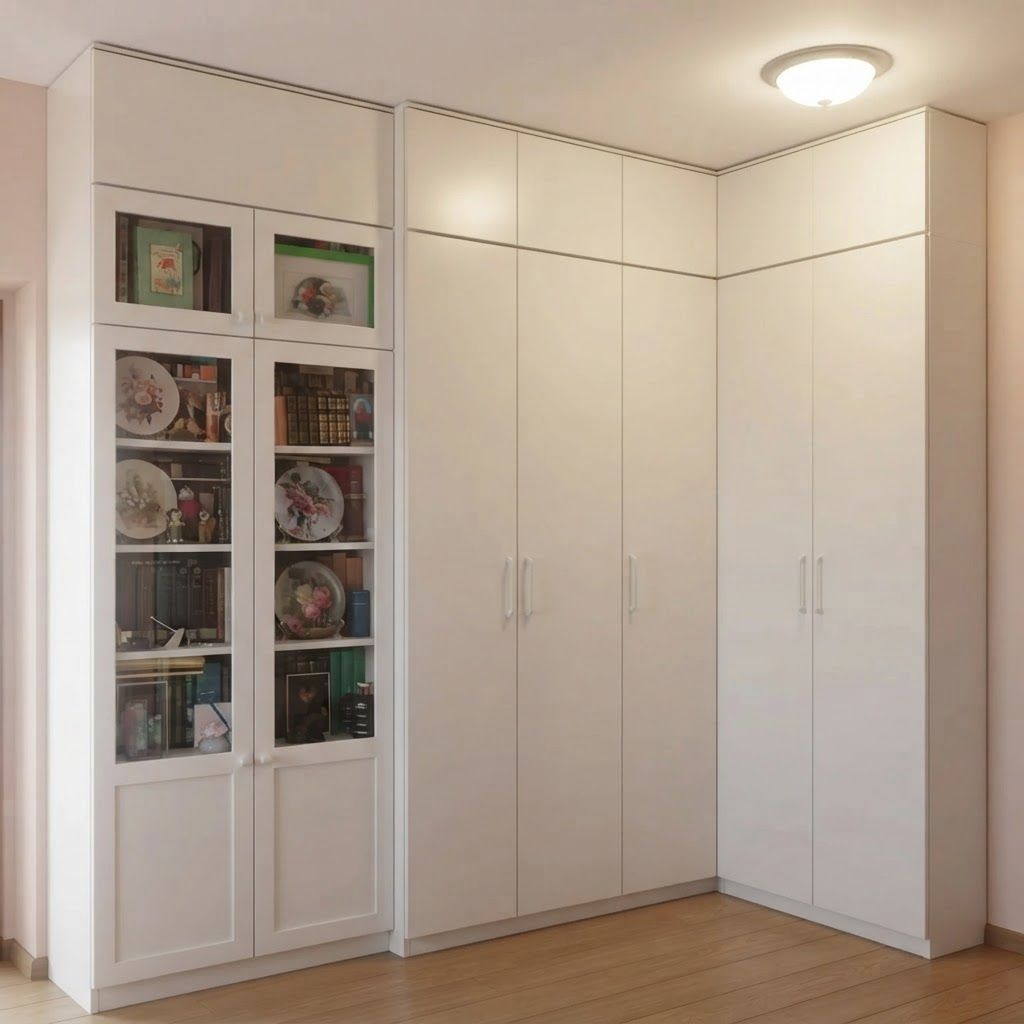
AI Design for Сделай горизонтальное фото углового шкафа на основании двух его фото с разных ракурсов.

Сделай горизонтальное фото углового шкафа на основании двух его фото с разных ракурсов.

by @Elephant_4354025

AI Design for This photo has temporary numbered markers (blue circles with white numbers and pointer stems). They are editing guides, not part of the scene.

Apply each change only near its marker:
1. Шкаф угловой. По этой линии проходит угол

Delete every marker completely. Do not leave any number, blue badge, white ring, pointer stem, or dot. The finished image must look like an unmarked photograph. Keep framing, lighting, and unmarked areas identical.

This photo has temporary numbered markers (blue circles with white numbers and pointer stems). They are editing guides, not part of the scene. Apply each change only near its marker: 1. Шкаф угловой. По этой линии проходит угол Delete every marker completely. Do not leave any number, blue badge, white ring, pointer stem, or dot. The finished image must look like an unmarked photograph. Keep framing, lighting, and unmarked areas identical.

by @Elephant_4354025
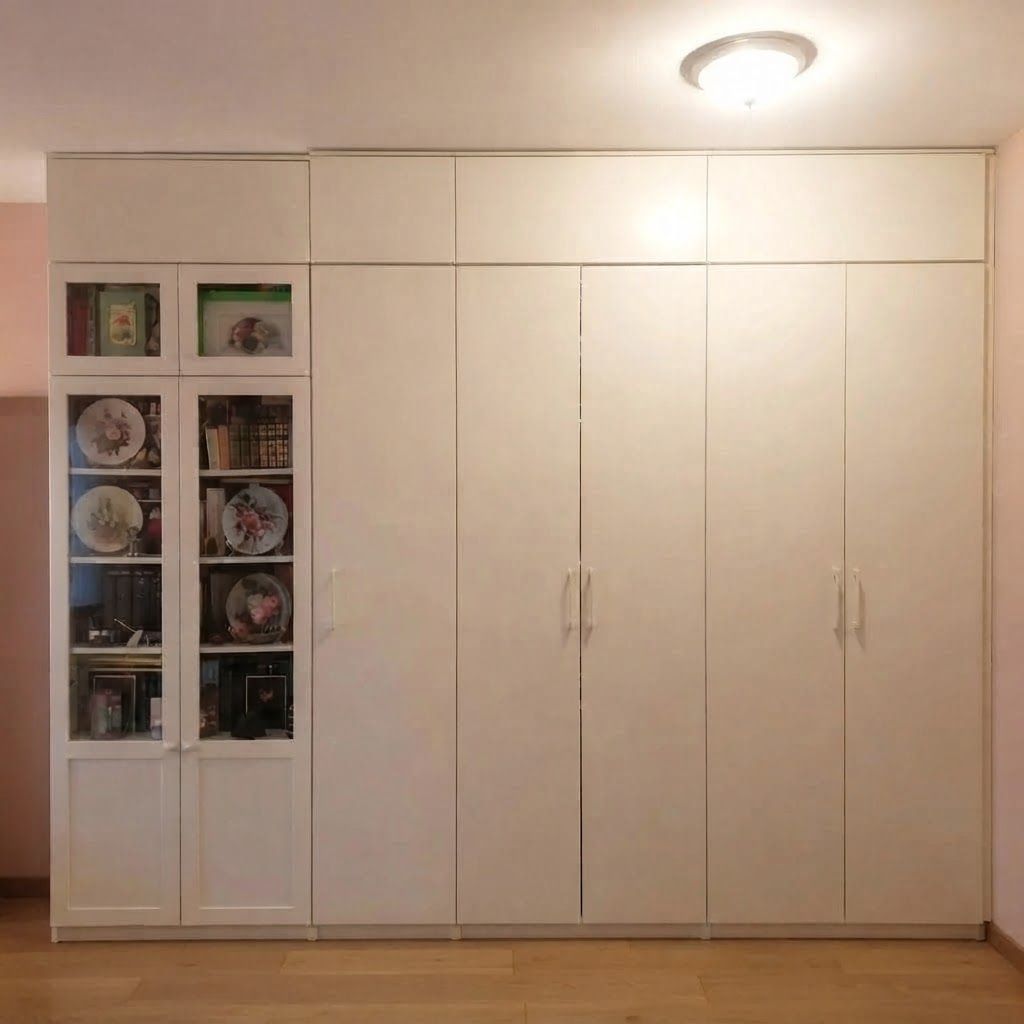
AI Design for Сделай горизонтальное фото шкафа на основании двух его фото с разных ракурсов.

Сделай горизонтальное фото шкафа на основании двух его фото с разных ракурсов.

by @Elephant_4354025

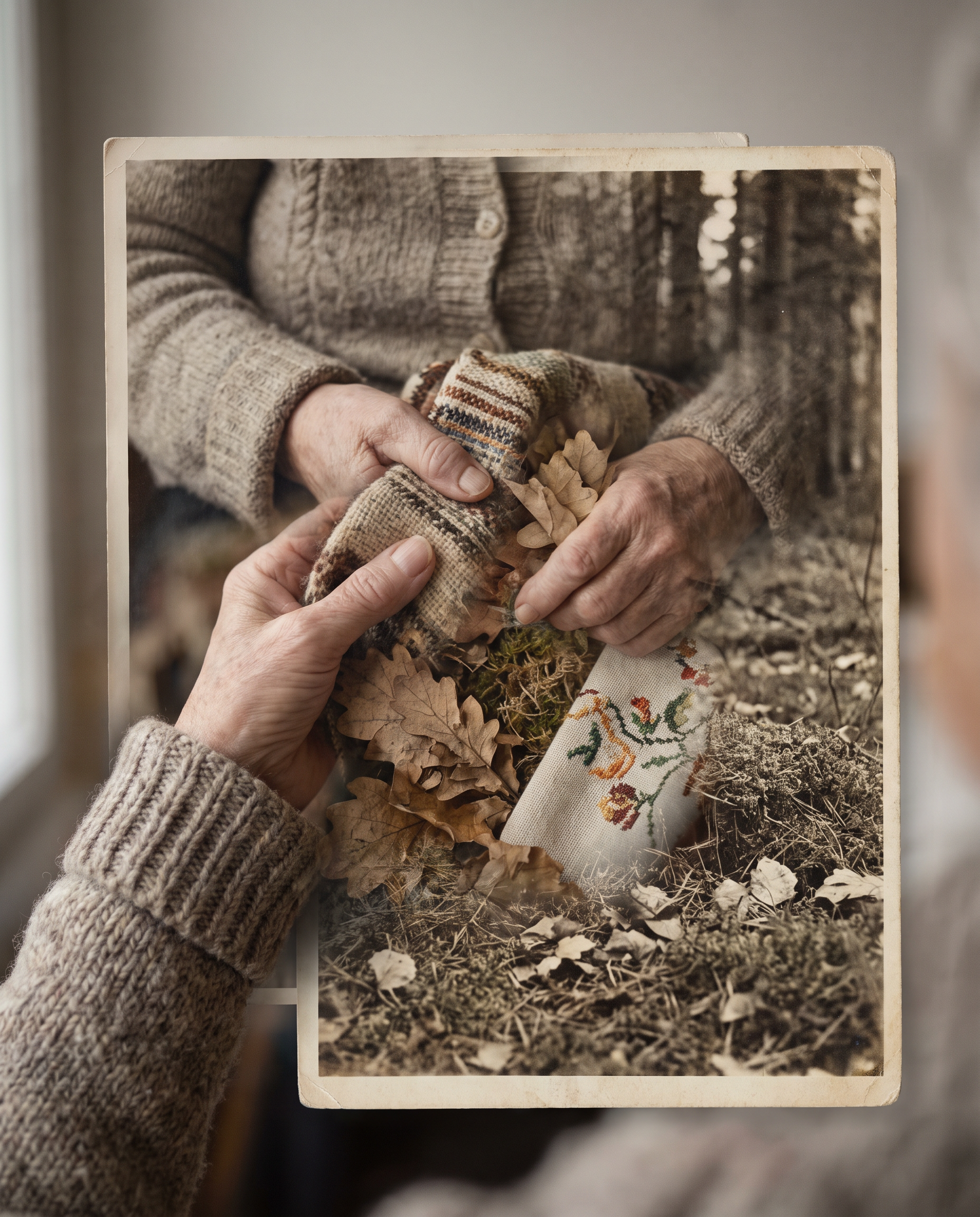
AI Design for A detailed 4:5 vertical portrait-oriented composition focusing on the intricate blending of details, textures, and subjects from two distinct photographs, captured with soft natural lighting and shallow depth of field.

A detailed 4:5 vertical portrait-oriented composition focusing on the intricate blending of details, textures, and subjects from two distinct photographs, captured with soft natural lighting and shallow depth of field.

by @Elephant_4354025

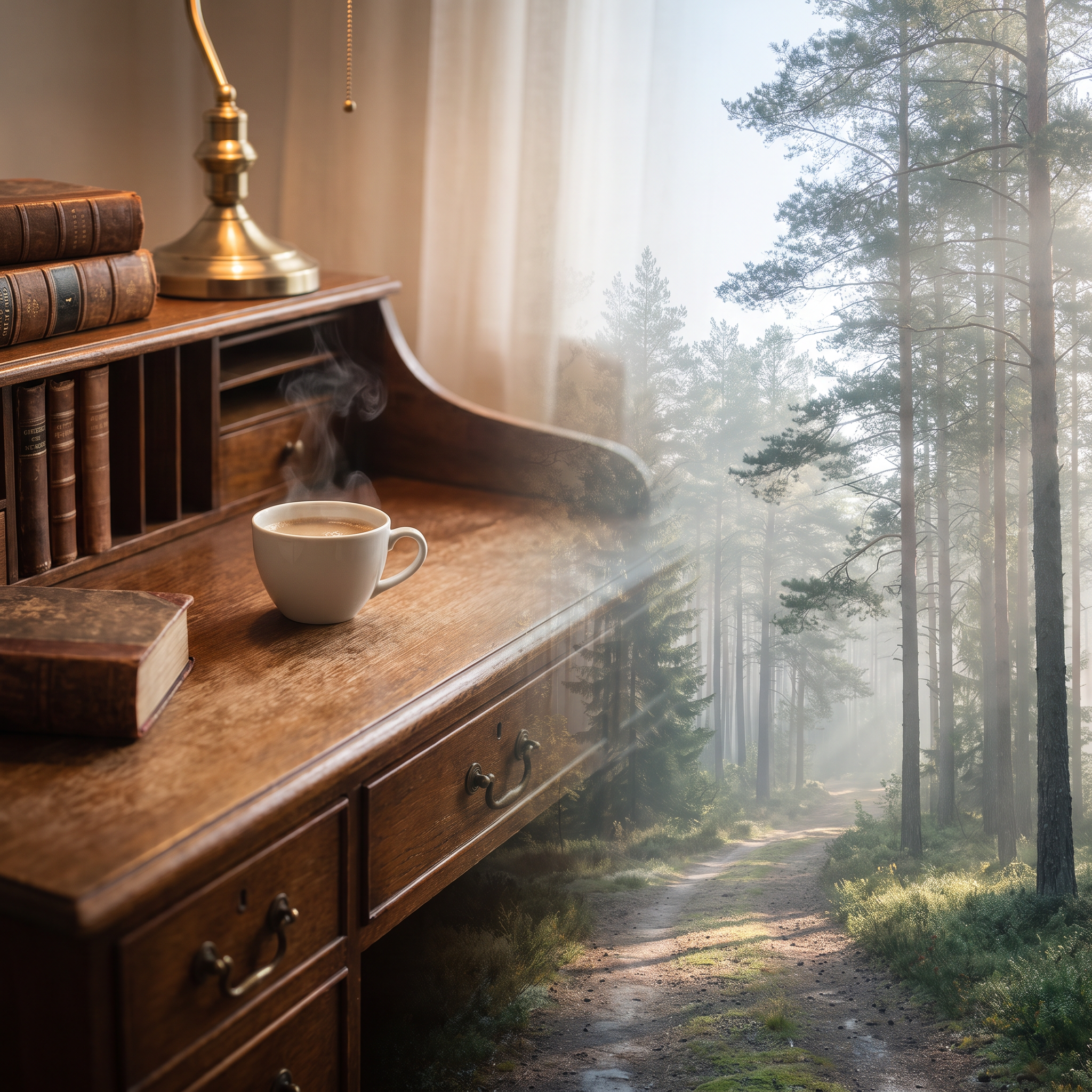
AI Design for A clean 1:1 square composition seamlessly combining two different photographs into one cohesive scene with harmonious lighting, balanced elements, and a professional artistic blend.

A clean 1:1 square composition seamlessly combining two different photographs into one cohesive scene with harmonious lighting, balanced elements, and a professional artistic blend.

by @Elephant_4354025

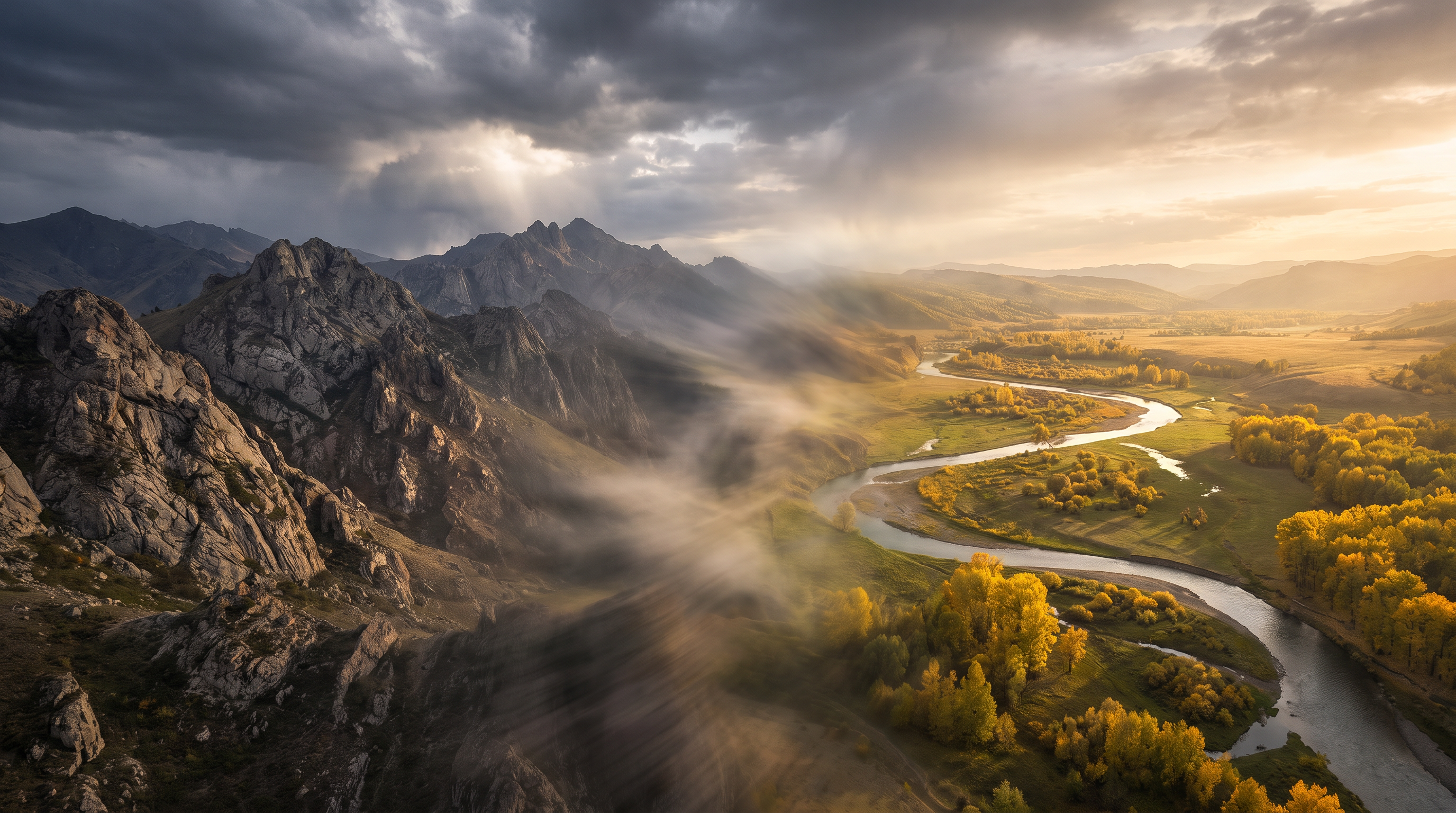
AI Design for A cinematic 16:9 widescreen landscape seamlessly merging elements from two separate photographs, featuring dramatic atmospheric lighting, a wide perspective, and an artistic transition between the two distinct visual themes.

A cinematic 16:9 widescreen landscape seamlessly merging elements from two separate photographs, featuring dramatic atmospheric lighting, a wide perspective, and an artistic transition between the two distinct visual themes.

by @Elephant_4354025

AI Design for SAME TO SAME DO PR VECTOR STYLE MA

SAME TO SAME DO PR VECTOR STYLE MA

by @Elephant_6719252

AI Design for I WANT THIS LOGO IN VECTOR STYLE

I WANT THIS LOGO IN VECTOR STYLE

by @Elephant_6719252

AI Design for I WANT THIS LOGO IN VECTOR STYLE

I WANT THIS LOGO IN VECTOR STYLE

by @Elephant_6719252

AI Design for I WANT THIS LOGO IN VECTOR STYLE

I WANT THIS LOGO IN VECTOR STYLE

by @Elephant_6719252

AI Design for remove the background. only the two people on solid white background

remove the background. only the two people on solid white background

by @Elephant_1649093

AI Design for remove both of the people and leave only the background

remove both of the people and leave only the background

by @Elephant_1649093

AI Design for remove the dragon tattoo on her left arm'

remove the dragon tattoo on her left arm'

by @Elephant_3756952

AI Design for remove the dragon tattoo on her left arm

remove the dragon tattoo on her left arm

by @Elephant_3756952

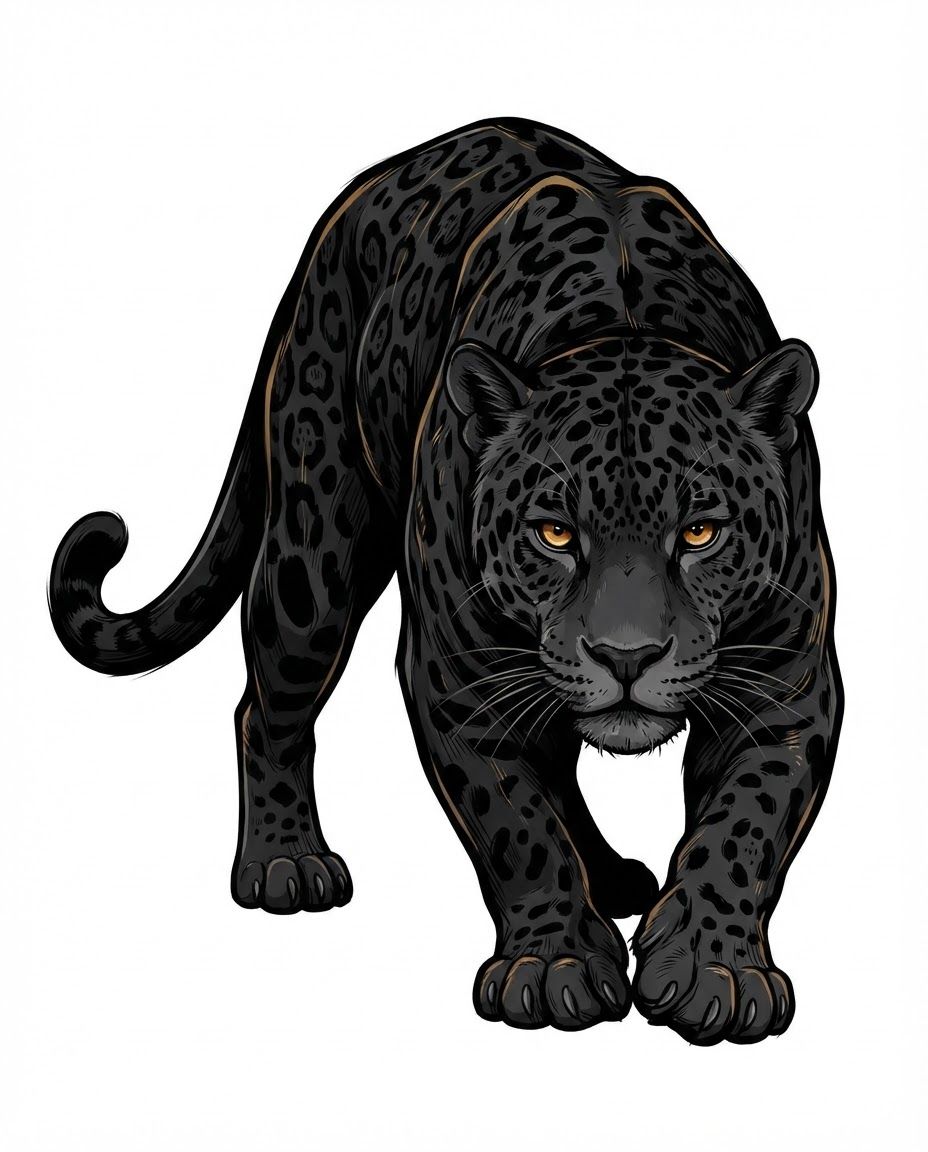
AI Design for # BLACK JAGUAR — Japanese Traditional Animal Illustration

**Brand:** BIG CAT ENERGY  
**Product:** Black Jaguar — Protein Coffee  
**Artwork type:** Standalone premium vector-style animal illustration  
**Background:** Pure solid white (#FFFFFF)

### 1. Creative Objective

Create a powerful, sophisticated illustration of a black jaguar, combining traditional Japanese animal printmaking, expressive sumi-e ink painting, and contemporary Japanese tattoo-inspired illustration.

Use the supplied three reference images as the visual foundation for linework, composition, expressive anatomy, ornamental movement, and graphic treatment.

Unlike the energetic Silver Cheetah, this jaguar should embody quiet strength, stealth, restraint, and concentrated power. Its presence should feel controlled and imposing, as if it is moving deliberately through darkness.

The illustration must communicate premium quality through precise anatomy, rich black tonal separation, intricate patterning, and a restrained amber accent.

This is an original animal illustration, not a logo, packaging mockup, or cartoon character.

### 2. Animal Anatomy and Pose

Illustrate a full-body melanistic jaguar in a low, deliberate stalking pose.

The animal should move close to the ground, with the shoulders slightly raised, the head lowered, the forelegs firmly planted or stepping forward, and the hindquarters positioned to communicate compact muscular strength.

Use a three-quarter frontal view so the face remains a dominant focal point while the torso and tail are still clearly visible.

The pose should feel stable, deliberate, and physically convincing rather than exaggerated.

Ensure:
- A broad skull and powerful jaw characteristic of a jaguar.
- Compact, muscular shoulders and a thick, substantial torso.
- Strong forelimbs, robust hindquarters, and large, well-defined paws.
- Natural feline joints and convincing weight distribution.
- Rounded ears, broad muzzle, prominent whisker pads, and carefully illustrated whiskers.
- A thick tail with a natural curve that balances the composition.
- Distinctive jaguar facial structure rather than the narrower face of a cheetah.
- Subtle but identifiable jaguar rosettes throughout the body.

The face should convey calm intensity. Avoid an excessively aggressive snarl, exaggerated fangs, supernatural features, or a fantasy-monster appearance.

### 3. Melanistic Jaguar Patterning

The animal should be a melanistic jaguar, commonly called a black panther, rendered primarily in deep black.

Crucially, preserve the underlying jaguar pattern.

Create subtle black-on-black rosettes across the shoulders, flanks, back, and legs. These markings should emerge from the body through carefully controlled differences in value, line density, and surface treatment.

Use:
- Deep black base shapes.
- Near-black and charcoal rosettes.
- Fine gunmetal contour accents.
- Selective bronze highlights along the forehead, cheekbones, shoulders, spine, and limbs.
- Delicate internal markings that reveal the animal's structure without overwhelming the dark silhouette.

The rosettes should have natural jaguar-like structures, with irregular dark rings and occasional inner spots. They must not resemble simple leopard spots or elongated tiger stripes.

The black-on-black contrast should remain subtle but visible against the white background.

### 4. Signature Amber Eyes

The eyes are the single intentional color accent in the illustration.

Render them in rich, luminous amber or deep golden ochre, with a sharp feline gaze and anatomically appropriate pupils.

The eyes should appear intense and reflective without glowing like LEDs or emitting light.

Use restrained amber highlights around the iris and selected surrounding contours. Keep the rest of the face predominantly black, charcoal, and bronze.

The result should feel mysterious and premium, not supernatural or science-fiction inspired.

### 5. Japanese Traditional Art Direction

Translate the jaguar into an expressive Japanese-inspired printmaking style using the supplied images as artistic references.

Incorporate:
- Bold, controlled exterior contours.
- Varied line weights inspired by traditional woodblock prints.
- Selective sumi-e brush strokes that reinforce the body and movement.
- Fine engraved lines defining the face, musculature, fur direction, and rosettes.
- Restrained crosshatching for tonal separation.
- Fluid curves and a carefully balanced silhouette.
- Slight hand-inked irregularities that create the character of a traditional printed artwork.

The linework should be strong and deliberate, with intricate detail concentrated around the face, shoulders, paws, and rosette patterns.

Avoid excessive scratch marks or messy sketch lines. The result must look intentionally art-directed and suitable for professional vector refinement.

### 6. Black, Bronze, and Gunmetal Palette

Use an extremely restrained palette.

Primary colors:
- Deep black for the main body.
- Charcoal black for subtle anatomical separation.
- Near-black for rosette patterns.
- Dark gunmetal for selected contours and highlights.
- Deep antique bronze for carefully placed rim accents.
- Warm amber for the eyes only, with minimal supporting details.

Metallic bronze should be represented through discrete highlight shapes and controlled tonal contrasts rather than photographic metallic gradients.

The illustration must maintain its identity when reproduced with black ink and one bronze or amber spot color.

### 7. Composition and Negative Space

Create a vertically oriented composition featuring the complete jaguar, including the tail and all four paws.

The animal should occupy most of the canvas while retaining a clean margin around its silhouette.

Use the curved spine, lowered head, broad shoulders, and flowing tail to create a powerful visual rhythm.

The face should be the primary focal point, followed by the shoulder structure and subtle rosette patterning.

Optional secondary elements may include a few restrained Japanese ink strokes, stylized dark wind motifs, or abstract flowing forms positioned behind the silhouette. Keep these elements minimal.

Do not include elaborate scenery, mountains, temples, cherry blossoms, or decorative frames. The jaguar itself must carry the entire visual identity.

### 8. Vector Illustration Finish

Create a highly refined vector-style illustration informed by traditional Japanese printmaking.

Prioritize:
- Crisp, deliberate outlines.
- Clean and controlled silhouettes.
- Layered black shapes with subtle value differences.
- Clearly defined jaguar anatomy.
- Natural, species-specific rosette markings.
- Sharp facial features and carefully rendered amber eyes.
- Flat, separable color regions.
- Minimal gradients and no photorealistic fur.
- Strong legibility at both large and small sizes.

The illustration should feel dark and tactile while maintaining clean graphic clarity.

### 9. Output Specifications

Generate only the finished jaguar illustration.

- One full-body melanistic jaguar.
- Low, deliberate stalking pose.
- Three-quarter frontal view.
- Entire body, tail, and all paws visible.
- Pure white background (#FFFFFF).
- No coffee packaging, pouches, boxes, tubs, or sachets.
- No typography, logos, letters, numbers, or Japanese characters.
- No border, frame, or presentation board.
- No photorealistic rendering or 3D effects.
- No cartoon styling, fantasy armor, or exaggerated glowing eyes.
- No tiger stripes or generic leopard markings.
- No malformed anatomy, duplicated limbs, or obscured paws.
- High-resolution, vector-like finish suitable for professional refinement and packaging production.

**Final visual direction:** A commanding black jaguar rendered through Japanese-inspired printmaking, deep black-on-black rosette patterns, selective bronze and gunmetal linework, and piercing amber eyes. The result should communicate stealth, strength, and premium restraint—the darkest and most sophisticated illustration in the BIG CAT ENERGY collection.

This is a tall 4:5 image for feed ads. Design the layout for that shape. Fill the whole frame edge to edge and scale the subject large. Do not leave empty margin.

# BLACK JAGUAR — Japanese Traditional Animal Illustration **Brand:** BIG CAT ENERGY **Product:** Black Jaguar — Protein Coffee **Artwork type:** Standalone premium vector-style animal illustration **Background:** Pure solid white (#FFFFFF) ### 1. Creative Objective Create a powerful, sophisticated illustration of a black jaguar, combining traditional Japanese animal printmaking, expressive sumi-e ink painting, and contemporary Japanese tattoo-inspired illustration. Use the supplied three reference images as the visual foundation for linework, composition, expressive anatomy, ornamental movement, and graphic treatment. Unlike the energetic Silver Cheetah, this jaguar should embody quiet strength, stealth, restraint, and concentrated power. Its presence should feel controlled and imposing, as if it is moving deliberately through darkness. The illustration must communicate premium quality through precise anatomy, rich black tonal separation, intricate patterning, and a restrained amber accent. This is an original animal illustration, not a logo, packaging mockup, or cartoon character. ### 2. Animal Anatomy and Pose Illustrate a full-body melanistic jaguar in a low, deliberate stalking pose. The animal should move close to the ground, with the shoulders slightly raised, the head lowered, the forelegs firmly planted or stepping forward, and the hindquarters positioned to communicate compact muscular strength. Use a three-quarter frontal view so the face remains a dominant focal point while the torso and tail are still clearly visible. The pose should feel stable, deliberate, and physically convincing rather than exaggerated. Ensure: - A broad skull and powerful jaw characteristic of a jaguar. - Compact, muscular shoulders and a thick, substantial torso. - Strong forelimbs, robust hindquarters, and large, well-defined paws. - Natural feline joints and convincing weight distribution. - Rounded ears, broad muzzle, prominent whisker pads, and carefully illustrated whiskers. - A thick tail with a natural curve that balances the composition. - Distinctive jaguar facial structure rather than the narrower face of a cheetah. - Subtle but identifiable jaguar rosettes throughout the body. The face should convey calm intensity. Avoid an excessively aggressive snarl, exaggerated fangs, supernatural features, or a fantasy-monster appearance. ### 3. Melanistic Jaguar Patterning The animal should be a melanistic jaguar, commonly called a black panther, rendered primarily in deep black. Crucially, preserve the underlying jaguar pattern. Create subtle black-on-black rosettes across the shoulders, flanks, back, and legs. These markings should emerge from the body through carefully controlled differences in value, line density, and surface treatment. Use: - Deep black base shapes. - Near-black and charcoal rosettes. - Fine gunmetal contour accents. - Selective bronze highlights along the forehead, cheekbones, shoulders, spine, and limbs. - Delicate internal markings that reveal the animal's structure without overwhelming the dark silhouette. The rosettes should have natural jaguar-like structures, with irregular dark rings and occasional inner spots. They must not resemble simple leopard spots or elongated tiger stripes. The black-on-black contrast should remain subtle but visible against the white background. ### 4. Signature Amber Eyes The eyes are the single intentional color accent in the illustration. Render them in rich, luminous amber or deep golden ochre, with a sharp feline gaze and anatomically appropriate pupils. The eyes should appear intense and reflective without glowing like LEDs or emitting light. Use restrained amber highlights around the iris and selected surrounding contours. Keep the rest of the face predominantly black, charcoal, and bronze. The result should feel mysterious and premium, not supernatural or science-fiction inspired. ### 5. Japanese Traditional Art Direction Translate the jaguar into an expressive Japanese-inspired printmaking style using the supplied images as artistic references. Incorporate: - Bold, controlled exterior contours. - Varied line weights inspired by traditional woodblock prints. - Selective sumi-e brush strokes that reinforce the body and movement. - Fine engraved lines defining the face, musculature, fur direction, and rosettes. - Restrained crosshatching for tonal separation. - Fluid curves and a carefully balanced silhouette. - Slight hand-inked irregularities that create the character of a traditional printed artwork. The linework should be strong and deliberate, with intricate detail concentrated around the face, shoulders, paws, and rosette patterns. Avoid excessive scratch marks or messy sketch lines. The result must look intentionally art-directed and suitable for professional vector refinement. ### 6. Black, Bronze, and Gunmetal Palette Use an extremely restrained palette. Primary colors: - Deep black for the main body. - Charcoal black for subtle anatomical separation. - Near-black for rosette patterns. - Dark gunmetal for selected contours and highlights. - Deep antique bronze for carefully placed rim accents. - Warm amber for the eyes only, with minimal supporting details. Metallic bronze should be represented through discrete highlight shapes and controlled tonal contrasts rather than photographic metallic gradients. The illustration must maintain its identity when reproduced with black ink and one bronze or amber spot color. ### 7. Composition and Negative Space Create a vertically oriented composition featuring the complete jaguar, including the tail and all four paws. The animal should occupy most of the canvas while retaining a clean margin around its silhouette. Use the curved spine, lowered head, broad shoulders, and flowing tail to create a powerful visual rhythm. The face should be the primary focal point, followed by the shoulder structure and subtle rosette patterning. Optional secondary elements may include a few restrained Japanese ink strokes, stylized dark wind motifs, or abstract flowing forms positioned behind the silhouette. Keep these elements minimal. Do not include elaborate scenery, mountains, temples, cherry blossoms, or decorative frames. The jaguar itself must carry the entire visual identity. ### 8. Vector Illustration Finish Create a highly refined vector-style illustration informed by traditional Japanese printmaking. Prioritize: - Crisp, deliberate outlines. - Clean and controlled silhouettes. - Layered black shapes with subtle value differences. - Clearly defined jaguar anatomy. - Natural, species-specific rosette markings. - Sharp facial features and carefully rendered amber eyes. - Flat, separable color regions. - Minimal gradients and no photorealistic fur. - Strong legibility at both large and small sizes. The illustration should feel dark and tactile while maintaining clean graphic clarity. ### 9. Output Specifications Generate only the finished jaguar illustration. - One full-body melanistic jaguar. - Low, deliberate stalking pose. - Three-quarter frontal view. - Entire body, tail, and all paws visible. - Pure white background (#FFFFFF). - No coffee packaging, pouches, boxes, tubs, or sachets. - No typography, logos, letters, numbers, or Japanese characters. - No border, frame, or presentation board. - No photorealistic rendering or 3D effects. - No cartoon styling, fantasy armor, or exaggerated glowing eyes. - No tiger stripes or generic leopard markings. - No malformed anatomy, duplicated limbs, or obscured paws. - High-resolution, vector-like finish suitable for professional refinement and packaging production. **Final visual direction:** A commanding black jaguar rendered through Japanese-inspired printmaking, deep black-on-black rosette patterns, selective bronze and gunmetal linework, and piercing amber eyes. The result should communicate stealth, strength, and premium restraint—the darkest and most sophisticated illustration in the BIG CAT ENERGY collection. This is a tall 4:5 image for feed ads. Design the layout for that shape. Fill the whole frame edge to edge and scale the subject large. Do not leave empty margin.

by @Elephant_3756952
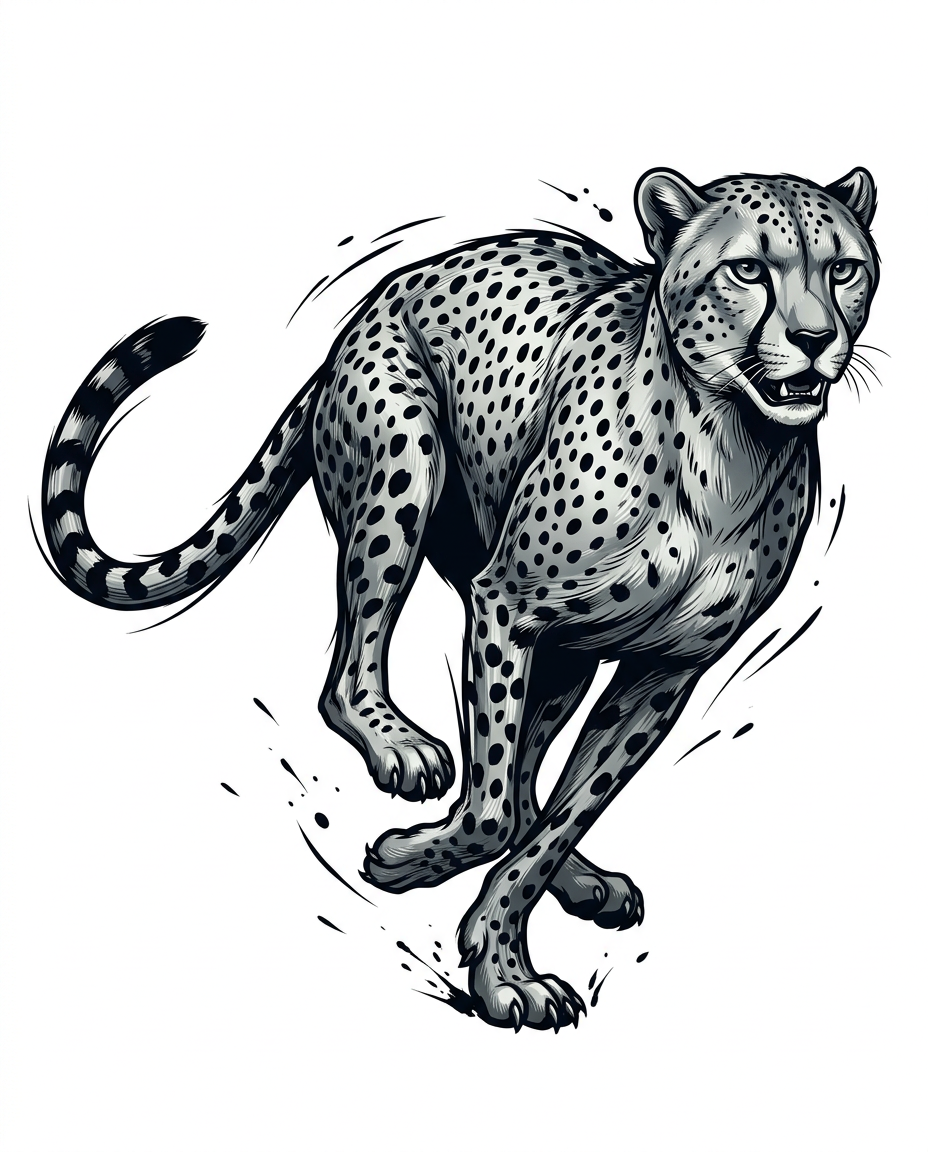
AI Design for # SILVER CHEETAH — Japanese Traditional Animal Illustration

**Brand:** BIG CAT ENERGY  
**Product:** Silver Cheetah — Instant Blend  
**Artwork type:** Standalone premium vector-style animal illustration  
**Background:** Pure solid white (#FFFFFF)

### 1. Creative Objective

Create a striking, highly detailed illustration of a cheetah in a dynamic mid-stride running pose, combining traditional Japanese woodblock-print aesthetics, expressive sumi-e ink painting, and contemporary Japanese tattoo-inspired animal illustration.

Use the three supplied reference images as the primary art direction. Follow the bold contours, expressive brushwork, flowing composition, stylized natural forms, and intricate animal markings. Translate these qualities into a sophisticated, original illustration for a premium coffee brand.

The cheetah should communicate speed, agility, precision, and controlled power. It should feel like a powerful animal captured in a fleeting moment of acceleration—not a cartoon mascot or a generic wildlife drawing.

### 2. Animal Anatomy and Pose

Illustrate a full-body cheetah in a powerful, elongated running stride, viewed from a three-quarter side angle.

The head should face slightly toward the viewer while remaining aligned with the direction of movement. The body should stretch forward with athletic tension, the shoulders and hindquarters clearly articulated, and the legs arranged in a believable running position.

The tail should extend backward and curve elegantly, creating a sweeping counter-movement that balances the composition.

Ensure:
- Anatomically accurate cheetah proportions and lean musculature.
- A relatively small head, deep chest, narrow waist, and long athletic limbs.
- Distinctive small, solid black spots distributed naturally across the body.
- The characteristic black tear lines running from the inner corners of the eyes toward the mouth.
- Rounded ears, an expressive feline muzzle, visible whiskers, and alert eyes.
- Properly articulated paws and convincing leg joints.
- A long tail with characteristic dark rings toward the tip.

The cheetah's facial expression should be focused, alert, and intense. Its mouth may be slightly open, but avoid an exaggerated snarling expression.

The anatomy must remain recognizable and biologically credible beneath the stylized illustration.

### 3. Japanese Traditional Art Direction

Reinterpret the animal through a sophisticated fusion of Japanese ukiyo-e woodblock printing, vintage Japanese animal posters, sumi-e brushwork, and bold Japanese tattoo illustration.

Use the first reference for dynamic animal composition and the expressive energy of traditional printmaking. Use the second reference for gestural ink marks, fluid motion, and the contrast between black linework and warm animal coloration. Use the third reference for confident outlines, carefully controlled spots, and ornamental movement.

Apply:
- Strong, tapered black exterior contours.
- Varied line weights inspired by hand-carved woodblock prints.
- Fine engraved strokes defining the musculature and fur direction.
- Selective crosshatching and traditional ink-like marks.
- Bold, clean shapes that remain suitable for vector conversion.
- Controlled irregularities that evoke handmade printing.
- Elegant motion lines inspired by Japanese wind motifs.

The illustration should combine traditional artistic character with modern graphic precision.

### 4. Silver and Gunmetal Palette

Develop a monochromatic metallic-inspired palette specifically for the Silver Cheetah identity.

Use:
- Deep black for the primary outlines and distinctive spots.
- Charcoal and dark gunmetal for shadows and anatomical definition.
- Cool silver and pale metallic grey for major body highlights.
- Off-white and light grey for selected illuminated areas.
- Restrained mid-grey tonal shapes to separate overlapping limbs and define form.

Keep the spots crisp, individually readable, and consistent with real cheetah markings. Do not turn them into leopard rosettes.

Suggest metallic silver through clean highlight shapes, alternating light and dark grey regions, and precise linework—not through photorealistic reflections or chrome effects.

The artwork should remain visually compelling when reproduced in a limited number of flat ink or foil colors.

### 5. Dynamic Composition

Use a tall, vertically oriented composition with the entire animal visible, including the tail and all four paws.

The body should create a strong diagonal movement through the canvas, with the head and forequarters establishing the primary focal point.

Use the curved tail and extended limbs to create a continuous visual rhythm. Preserve clean negative space around the silhouette.

Optional secondary elements may include a few stylized Japanese wind strokes, ink splashes, or restrained swirling cloud forms. Keep them sparse and secondary. Do not introduce a complete landscape, cherry blossoms, scenery, or decorative elements that obscure the animal.

The cheetah must remain the sole dominant subject.

### 6. Vector Illustration Finish

Render the final artwork as a polished, vector-style illustration with the character of a traditional Japanese print.

Use:
- Crisp, closed shapes wherever practical.
- Clean silhouette boundaries.
- Intentional line-weight variation.
- Clearly separated tonal regions.
- Intricate details that remain readable at reduced sizes.
- Minimal gradients, preferably none.
- Strong contrast against white.
- No unnecessary textures that interfere with future vector tracing.

The finished illustration should feel sophisticated, athletic, fast, and premium—appropriate for a luxury instant-coffee brand.

### 7. Output Specifications

Generate only the finished cheetah illustration.

- Full-body animal, head to tail.
- One cheetah only.
- Pure white background (#FFFFFF).
- No packaging, boxes, sachets, bags, cups, or mockups.
- No typography, logos, letters, numbers, or Japanese characters.
- No border, frame, or presentation layout.
- No photorealism, 3D rendering, or cartoon styling.
- No leopard rosettes, tiger stripes, or incorrect facial markings.
- No missing, duplicated, or malformed limbs.
- High-detail, high-resolution artwork suitable for vector refinement and premium packaging production.

**Final visual direction:** A fast, elegant cheetah rendered with Japanese printmaking character, confident black contours, intricate spotting, silver and gunmetal tones, and a fluid running pose. The result should feel like a collectible traditional animal illustration reinterpreted for a contemporary premium brand.

# SILVER CHEETAH — Japanese Traditional Animal Illustration **Brand:** BIG CAT ENERGY **Product:** Silver Cheetah — Instant Blend **Artwork type:** Standalone premium vector-style animal illustration **Background:** Pure solid white (#FFFFFF) ### 1. Creative Objective Create a striking, highly detailed illustration of a cheetah in a dynamic mid-stride running pose, combining traditional Japanese woodblock-print aesthetics, expressive sumi-e ink painting, and contemporary Japanese tattoo-inspired animal illustration. Use the three supplied reference images as the primary art direction. Follow the bold contours, expressive brushwork, flowing composition, stylized natural forms, and intricate animal markings. Translate these qualities into a sophisticated, original illustration for a premium coffee brand. The cheetah should communicate speed, agility, precision, and controlled power. It should feel like a powerful animal captured in a fleeting moment of acceleration—not a cartoon mascot or a generic wildlife drawing. ### 2. Animal Anatomy and Pose Illustrate a full-body cheetah in a powerful, elongated running stride, viewed from a three-quarter side angle. The head should face slightly toward the viewer while remaining aligned with the direction of movement. The body should stretch forward with athletic tension, the shoulders and hindquarters clearly articulated, and the legs arranged in a believable running position. The tail should extend backward and curve elegantly, creating a sweeping counter-movement that balances the composition. Ensure: - Anatomically accurate cheetah proportions and lean musculature. - A relatively small head, deep chest, narrow waist, and long athletic limbs. - Distinctive small, solid black spots distributed naturally across the body. - The characteristic black tear lines running from the inner corners of the eyes toward the mouth. - Rounded ears, an expressive feline muzzle, visible whiskers, and alert eyes. - Properly articulated paws and convincing leg joints. - A long tail with characteristic dark rings toward the tip. The cheetah's facial expression should be focused, alert, and intense. Its mouth may be slightly open, but avoid an exaggerated snarling expression. The anatomy must remain recognizable and biologically credible beneath the stylized illustration. ### 3. Japanese Traditional Art Direction Reinterpret the animal through a sophisticated fusion of Japanese ukiyo-e woodblock printing, vintage Japanese animal posters, sumi-e brushwork, and bold Japanese tattoo illustration. Use the first reference for dynamic animal composition and the expressive energy of traditional printmaking. Use the second reference for gestural ink marks, fluid motion, and the contrast between black linework and warm animal coloration. Use the third reference for confident outlines, carefully controlled spots, and ornamental movement. Apply: - Strong, tapered black exterior contours. - Varied line weights inspired by hand-carved woodblock prints. - Fine engraved strokes defining the musculature and fur direction. - Selective crosshatching and traditional ink-like marks. - Bold, clean shapes that remain suitable for vector conversion. - Controlled irregularities that evoke handmade printing. - Elegant motion lines inspired by Japanese wind motifs. The illustration should combine traditional artistic character with modern graphic precision. ### 4. Silver and Gunmetal Palette Develop a monochromatic metallic-inspired palette specifically for the Silver Cheetah identity. Use: - Deep black for the primary outlines and distinctive spots. - Charcoal and dark gunmetal for shadows and anatomical definition. - Cool silver and pale metallic grey for major body highlights. - Off-white and light grey for selected illuminated areas. - Restrained mid-grey tonal shapes to separate overlapping limbs and define form. Keep the spots crisp, individually readable, and consistent with real cheetah markings. Do not turn them into leopard rosettes. Suggest metallic silver through clean highlight shapes, alternating light and dark grey regions, and precise linework—not through photorealistic reflections or chrome effects. The artwork should remain visually compelling when reproduced in a limited number of flat ink or foil colors. ### 5. Dynamic Composition Use a tall, vertically oriented composition with the entire animal visible, including the tail and all four paws. The body should create a strong diagonal movement through the canvas, with the head and forequarters establishing the primary focal point. Use the curved tail and extended limbs to create a continuous visual rhythm. Preserve clean negative space around the silhouette. Optional secondary elements may include a few stylized Japanese wind strokes, ink splashes, or restrained swirling cloud forms. Keep them sparse and secondary. Do not introduce a complete landscape, cherry blossoms, scenery, or decorative elements that obscure the animal. The cheetah must remain the sole dominant subject. ### 6. Vector Illustration Finish Render the final artwork as a polished, vector-style illustration with the character of a traditional Japanese print. Use: - Crisp, closed shapes wherever practical. - Clean silhouette boundaries. - Intentional line-weight variation. - Clearly separated tonal regions. - Intricate details that remain readable at reduced sizes. - Minimal gradients, preferably none. - Strong contrast against white. - No unnecessary textures that interfere with future vector tracing. The finished illustration should feel sophisticated, athletic, fast, and premium—appropriate for a luxury instant-coffee brand. ### 7. Output Specifications Generate only the finished cheetah illustration. - Full-body animal, head to tail. - One cheetah only. - Pure white background (#FFFFFF). - No packaging, boxes, sachets, bags, cups, or mockups. - No typography, logos, letters, numbers, or Japanese characters. - No border, frame, or presentation layout. - No photorealism, 3D rendering, or cartoon styling. - No leopard rosettes, tiger stripes, or incorrect facial markings. - No missing, duplicated, or malformed limbs. - High-detail, high-resolution artwork suitable for vector refinement and premium packaging production. **Final visual direction:** A fast, elegant cheetah rendered with Japanese printmaking character, confident black contours, intricate spotting, silver and gunmetal tones, and a fluid running pose. The result should feel like a collectible traditional animal illustration reinterpreted for a contemporary premium brand.

by @Elephant_1649093
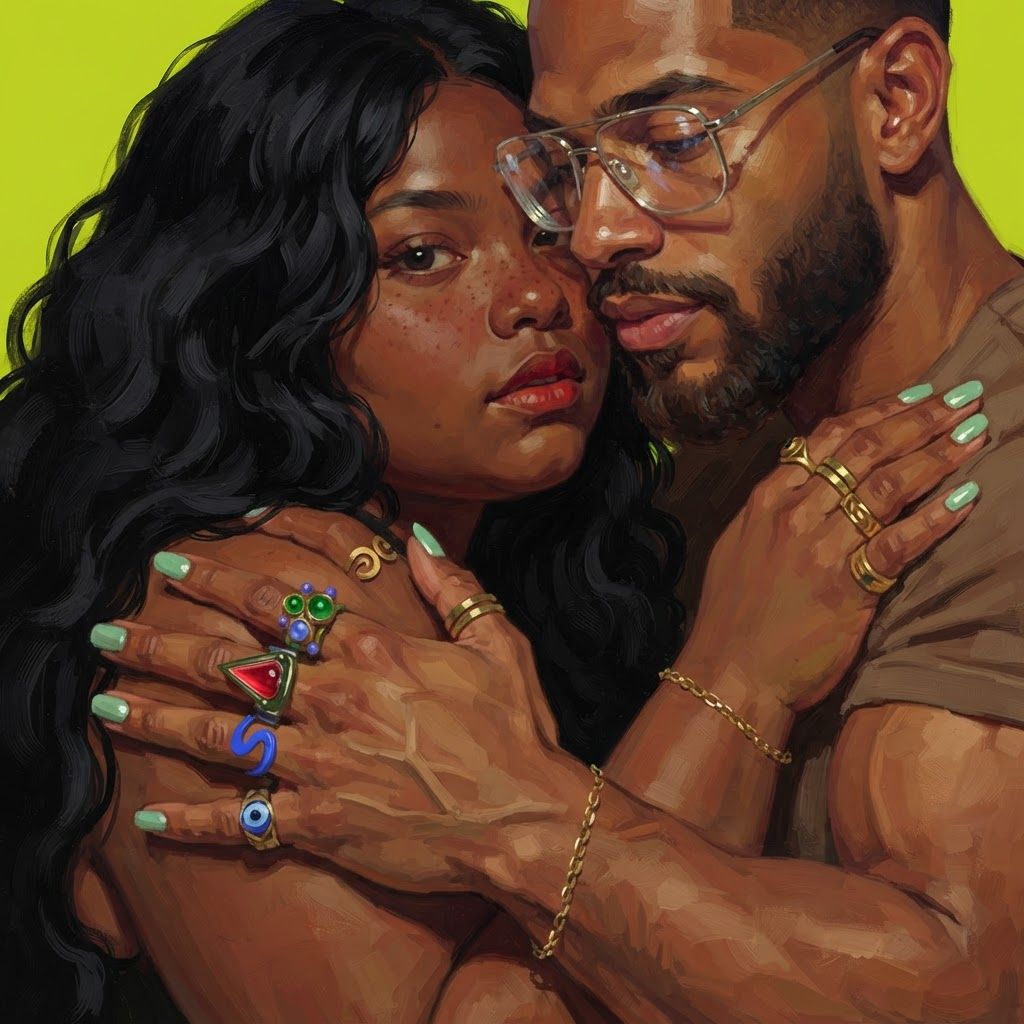
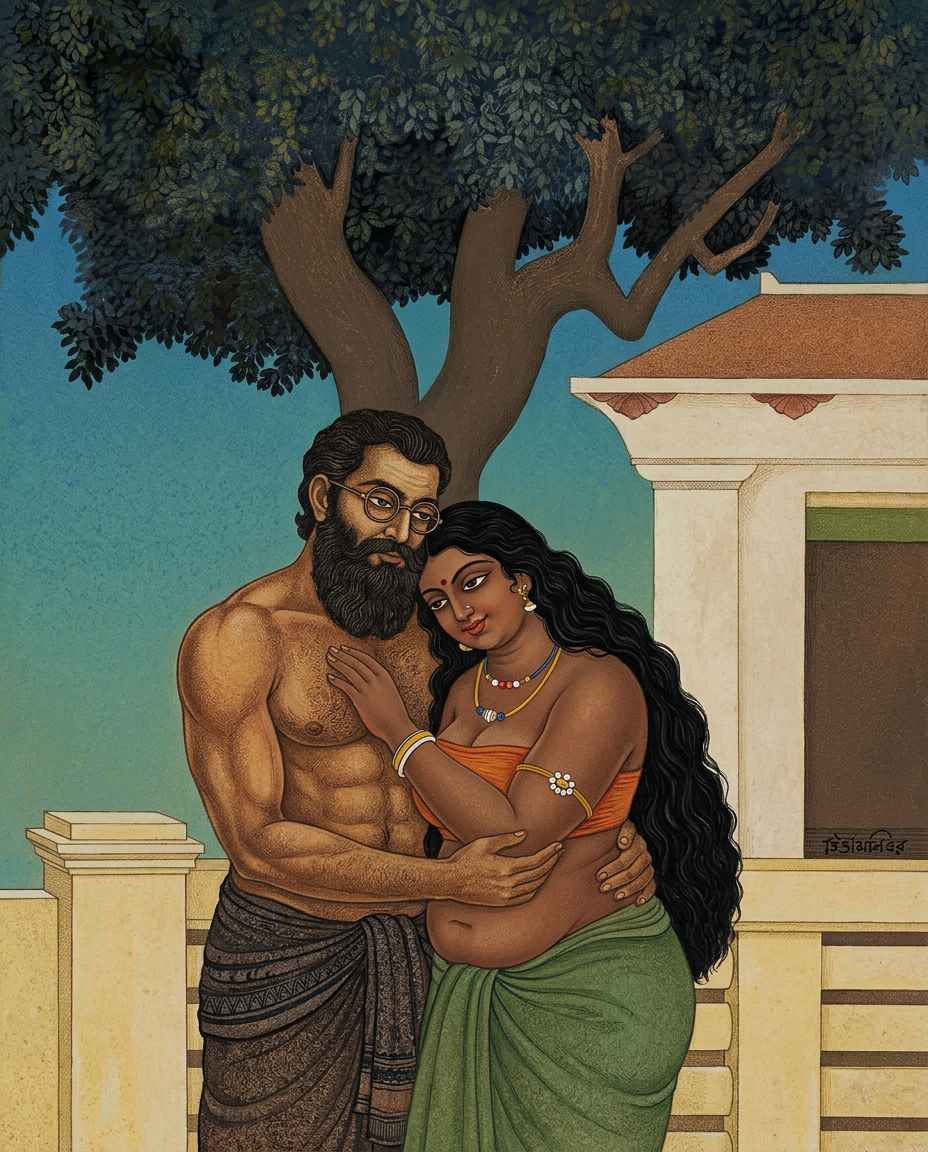
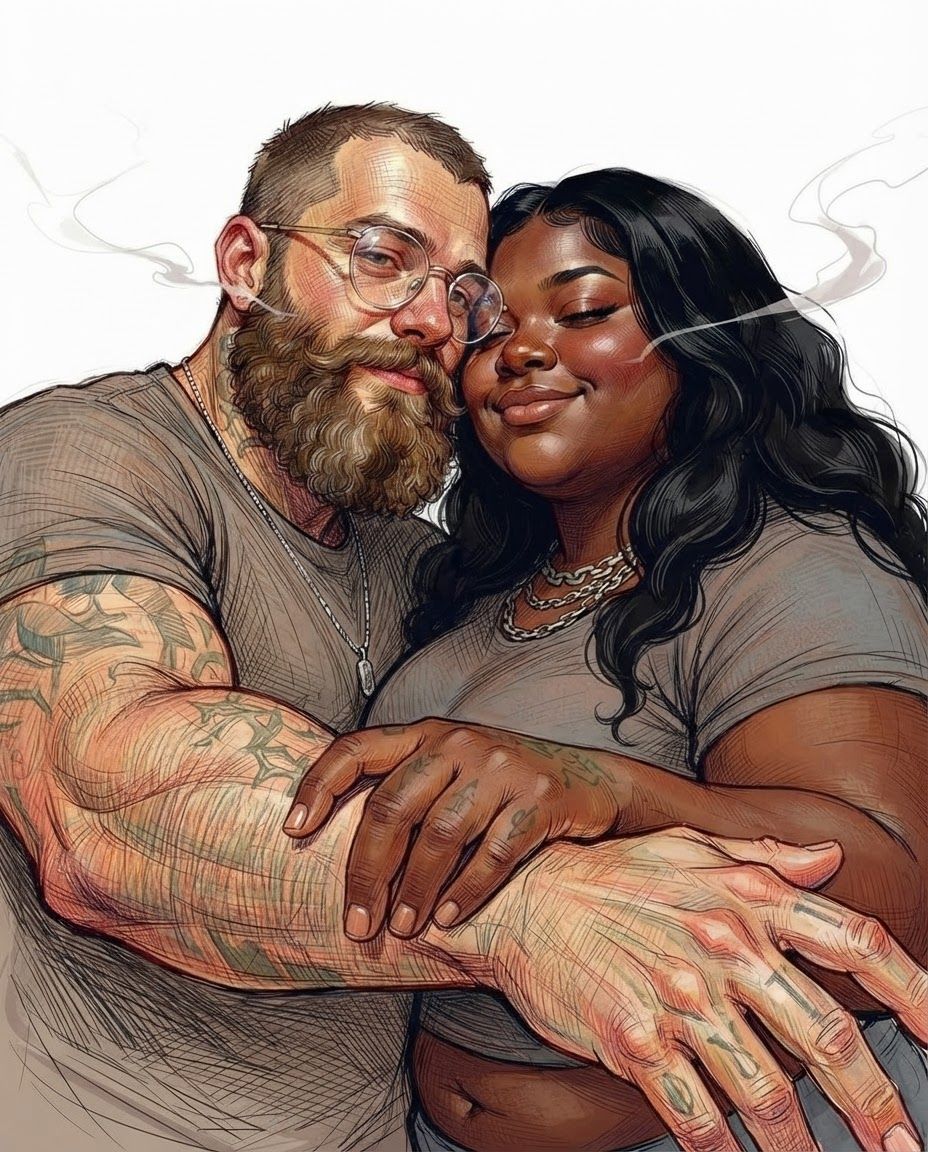
AI Design for create a highly detailed professional painting of a brown mascular bearded man with glasses and a dark skinned chubby woman with long black wavy hair standing in an embrace. in the same exact art style as image. make the pose dynamic foreshortening, showing them holding each other close . one man and one woman.

create a highly detailed professional painting of a brown mascular bearded man with glasses and a dark skinned chubby woman with long black wavy hair standing in an embrace. in the same exact art style as image. make the pose dynamic foreshortening, showing them holding each other close . one man and one woman.

by @Elephant_3756952
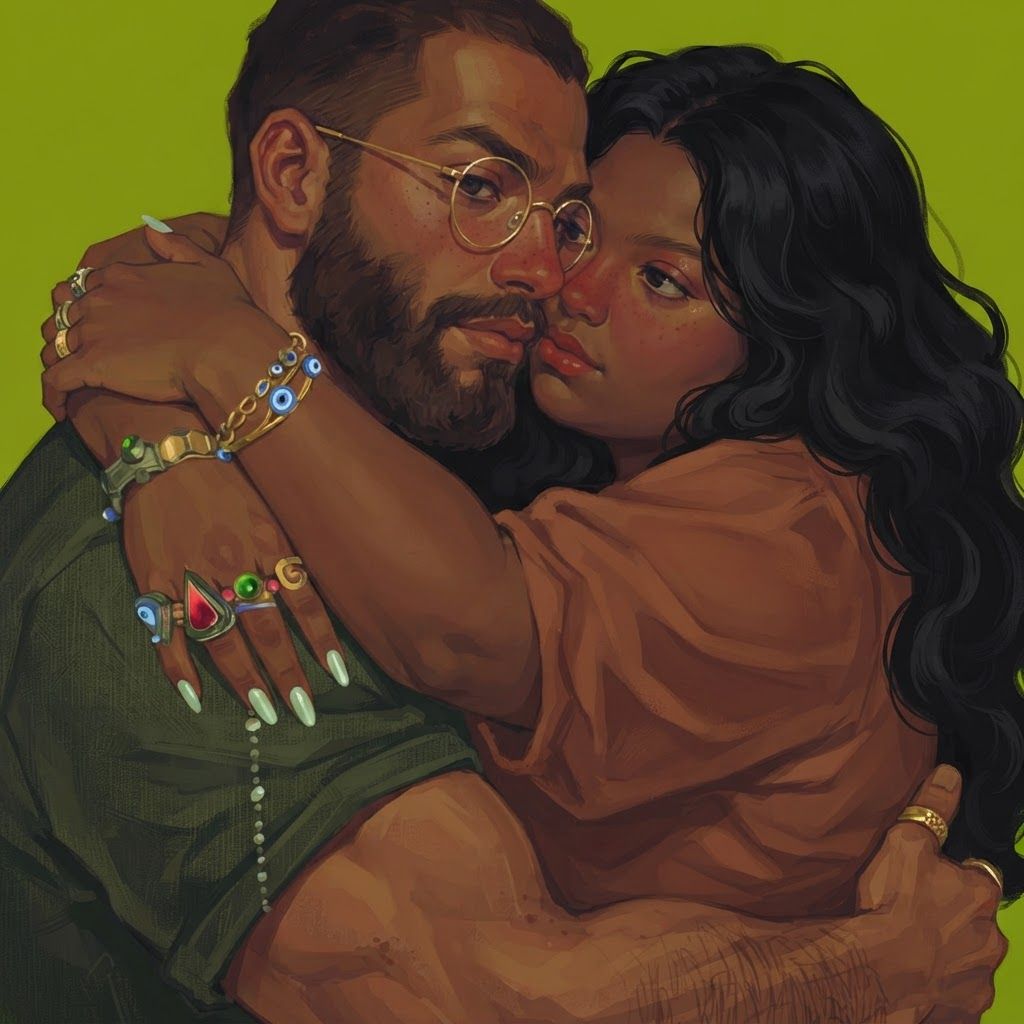
AI Design for create a highly detailed professional painting of a brown mascular bearded man with glasses and a dark skinned chubby woman with long black wavy hair standing in an embrace. in the same exact art style as image. make the pose dynamic foreshortening, showing them holding each other close . one man and one woman.

create a highly detailed professional painting of a brown mascular bearded man with glasses and a dark skinned chubby woman with long black wavy hair standing in an embrace. in the same exact art style as image. make the pose dynamic foreshortening, showing them holding each other close . one man and one woman.

by @Elephant_3756952
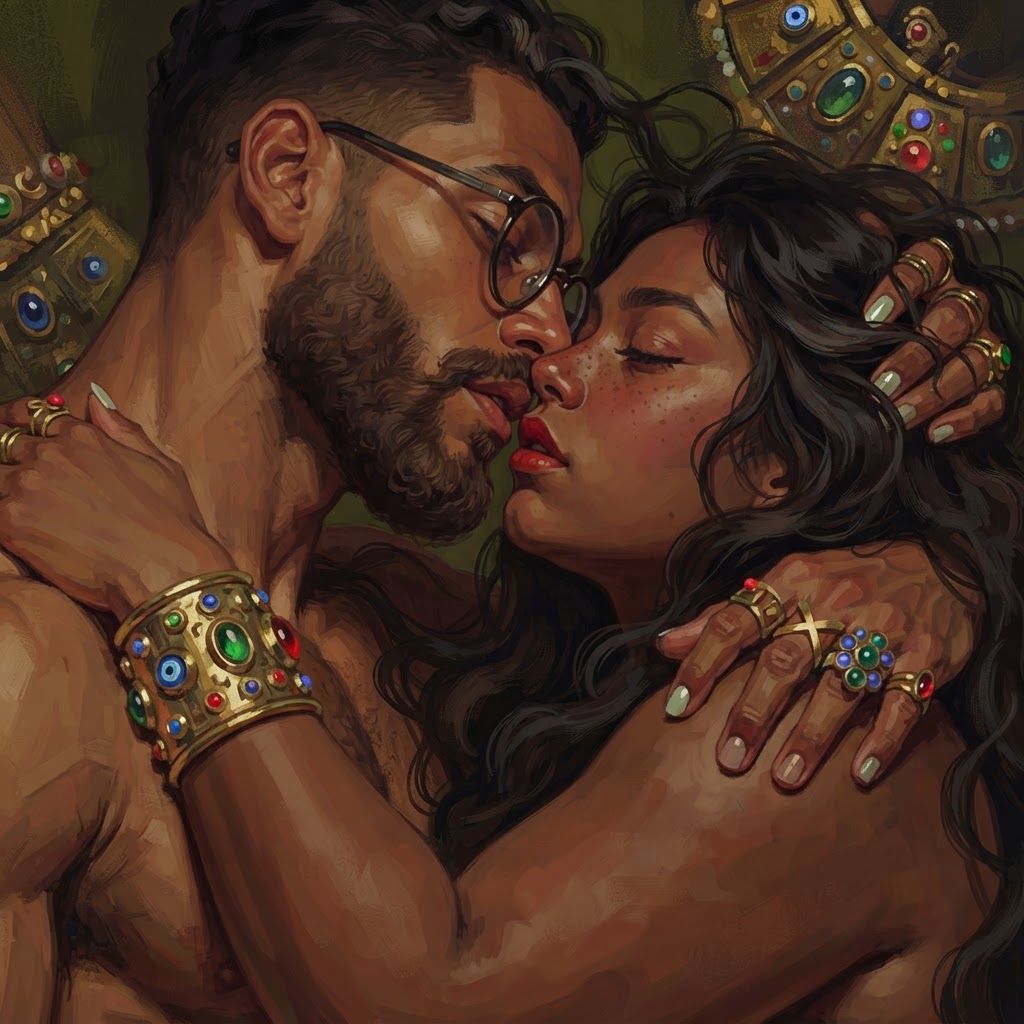
AI Design for create a highly detailed professional painting closeup of a  mascular brown bearded man with glasses and a dark skinned chubby woman with long black wavy hair standing in an embrace kissins in a foreshortening view. in the same exact art style as image. make the pose dynamic foreshortening, showing them holding each other close

create a highly detailed professional painting closeup of a mascular brown bearded man with glasses and a dark skinned chubby woman with long black wavy hair standing in an embrace kissins in a foreshortening view. in the same exact art style as image. make the pose dynamic foreshortening, showing them holding each other close

by @Elephant_3756952
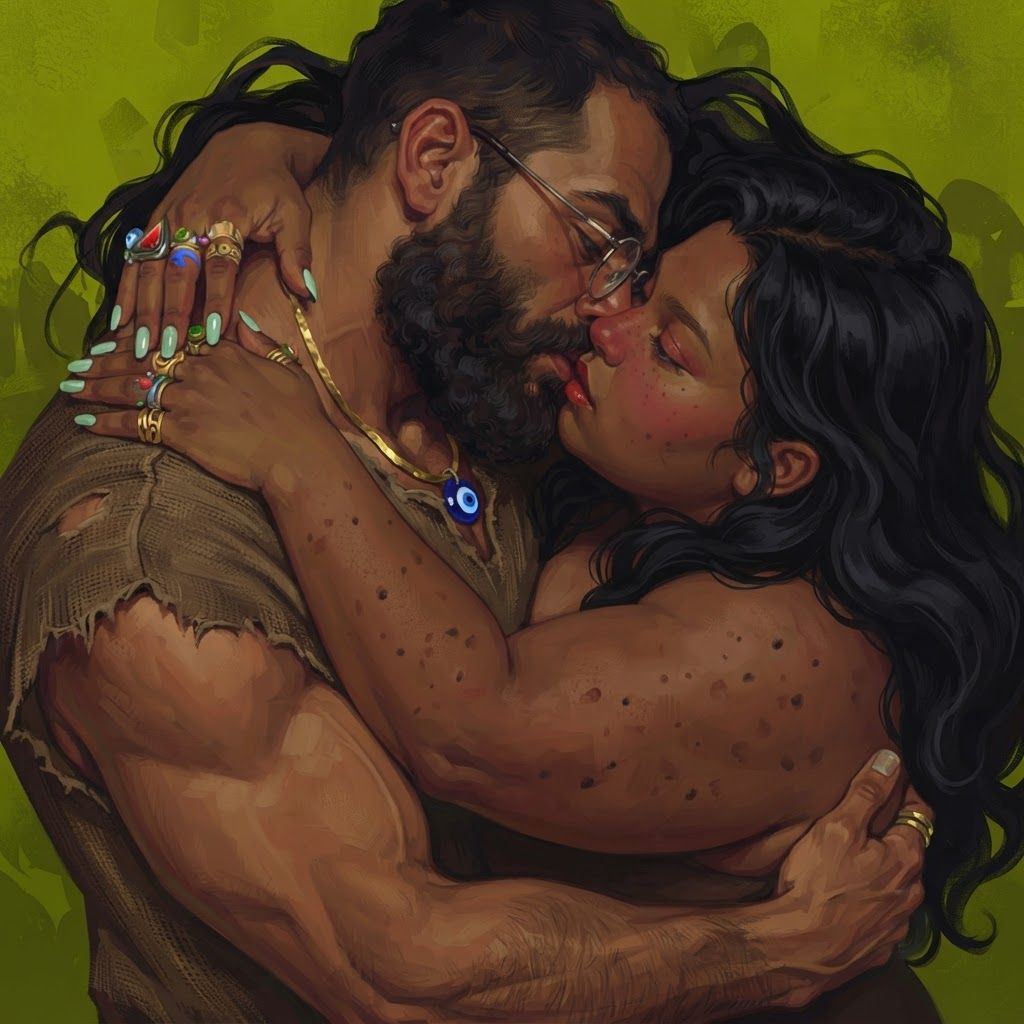
AI Design for create a highly detailed professional painting closeup of a  mascular brown bearded man with glasses and a dark skinned chubby woman with long black wavy hair standing in an embrace kissins in a foreshortening view. in the same exact art style as image. make the pose dynamic foreshortening, showing them holding each other close

create a highly detailed professional painting closeup of a mascular brown bearded man with glasses and a dark skinned chubby woman with long black wavy hair standing in an embrace kissins in a foreshortening view. in the same exact art style as image. make the pose dynamic foreshortening, showing them holding each other close

by @Elephant_3756952
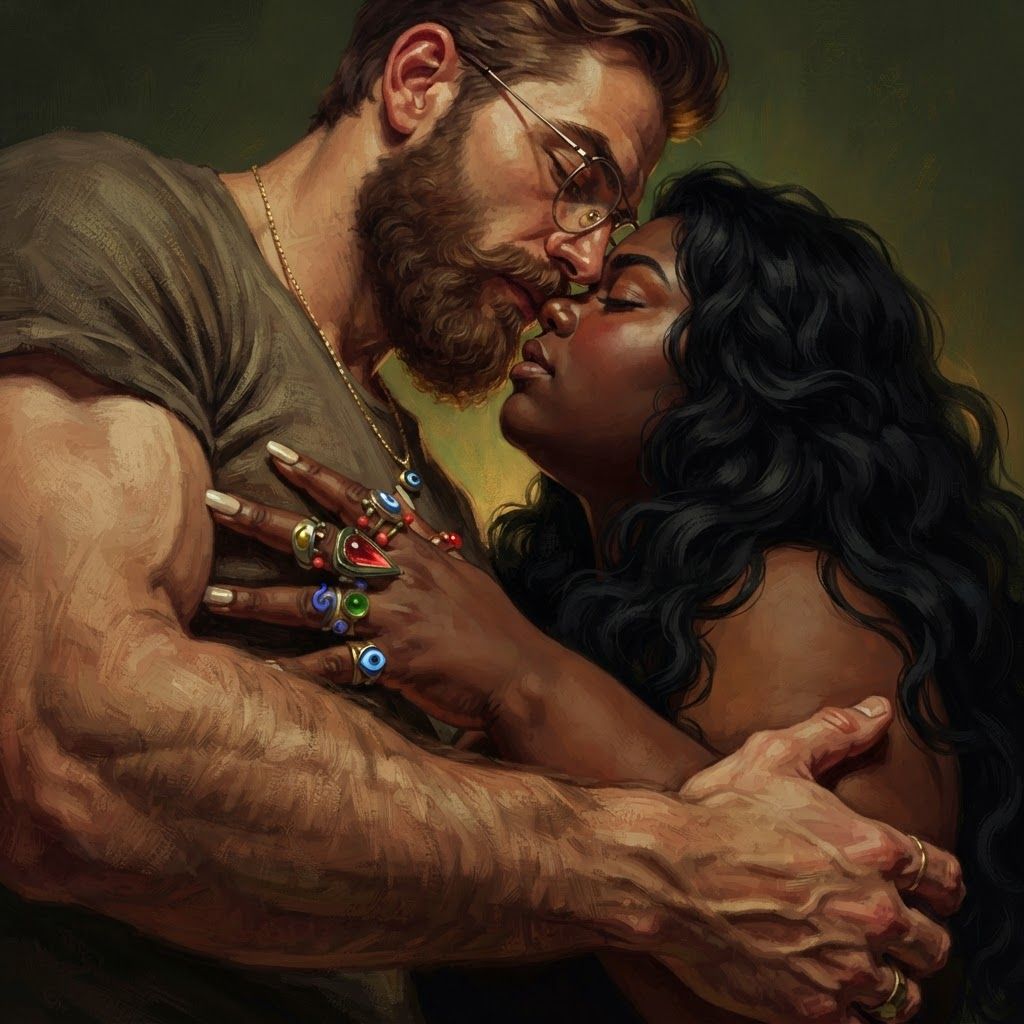
AI Design for create a highly detailed professional painting closeup of a  mascular brown bearded man with glasses and a dark skinned chubby woman with long black wavy hair standing in an embrace kissins in a foreshortening view. in the same exact art style as image. make the pose dynamic foreshortening, showing them holding each other close

create a highly detailed professional painting closeup of a mascular brown bearded man with glasses and a dark skinned chubby woman with long black wavy hair standing in an embrace kissins in a foreshortening view. in the same exact art style as image. make the pose dynamic foreshortening, showing them holding each other close

by @Elephant_3756952
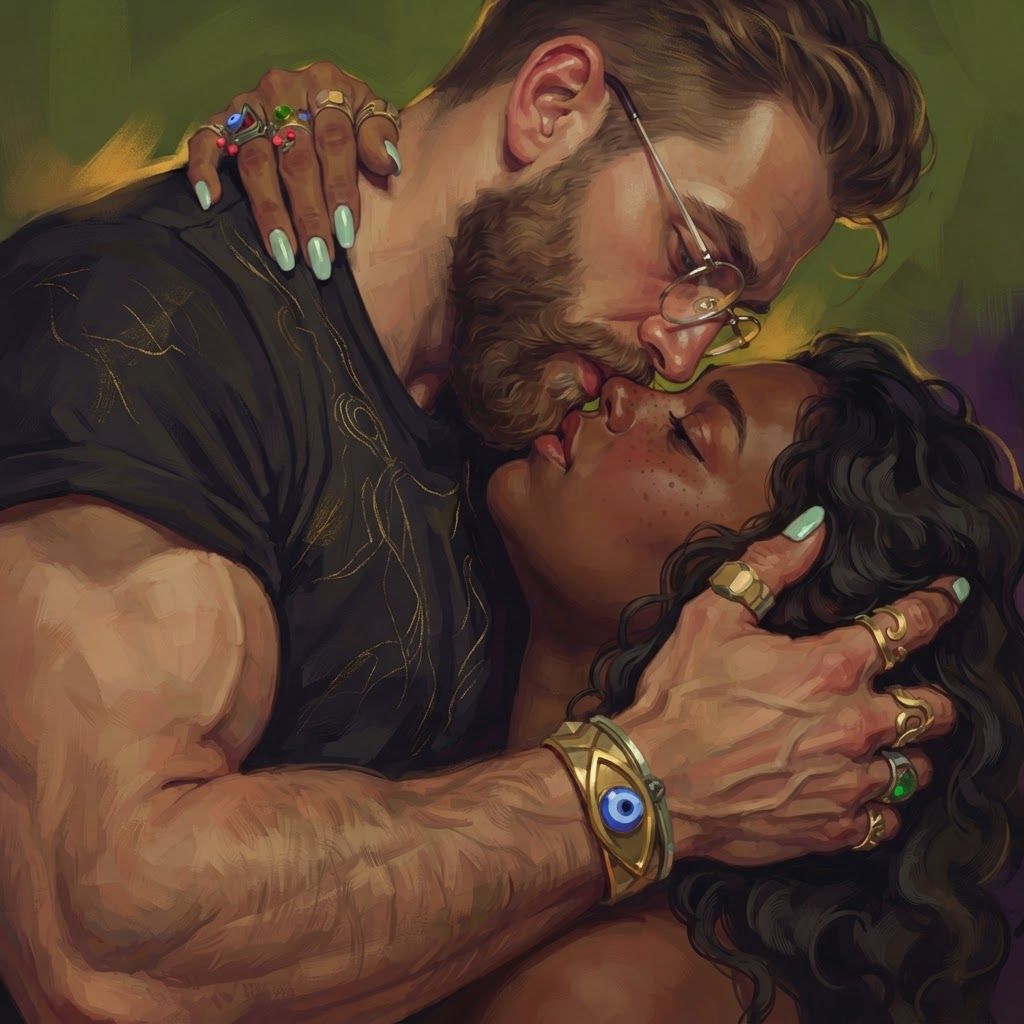
AI Design for create a highly detailed professional painting closeup of a  mascular bearded man with glasses and a dark skinned chubby woman with long black wavy hair standing in an embrace kissins in a foreshortening view. in the same exact art style as image. make the pose dynamic foreshortening, showing them holding each other close

create a highly detailed professional painting closeup of a mascular bearded man with glasses and a dark skinned chubby woman with long black wavy hair standing in an embrace kissins in a foreshortening view. in the same exact art style as image. make the pose dynamic foreshortening, showing them holding each other close

by @Elephant_3756952
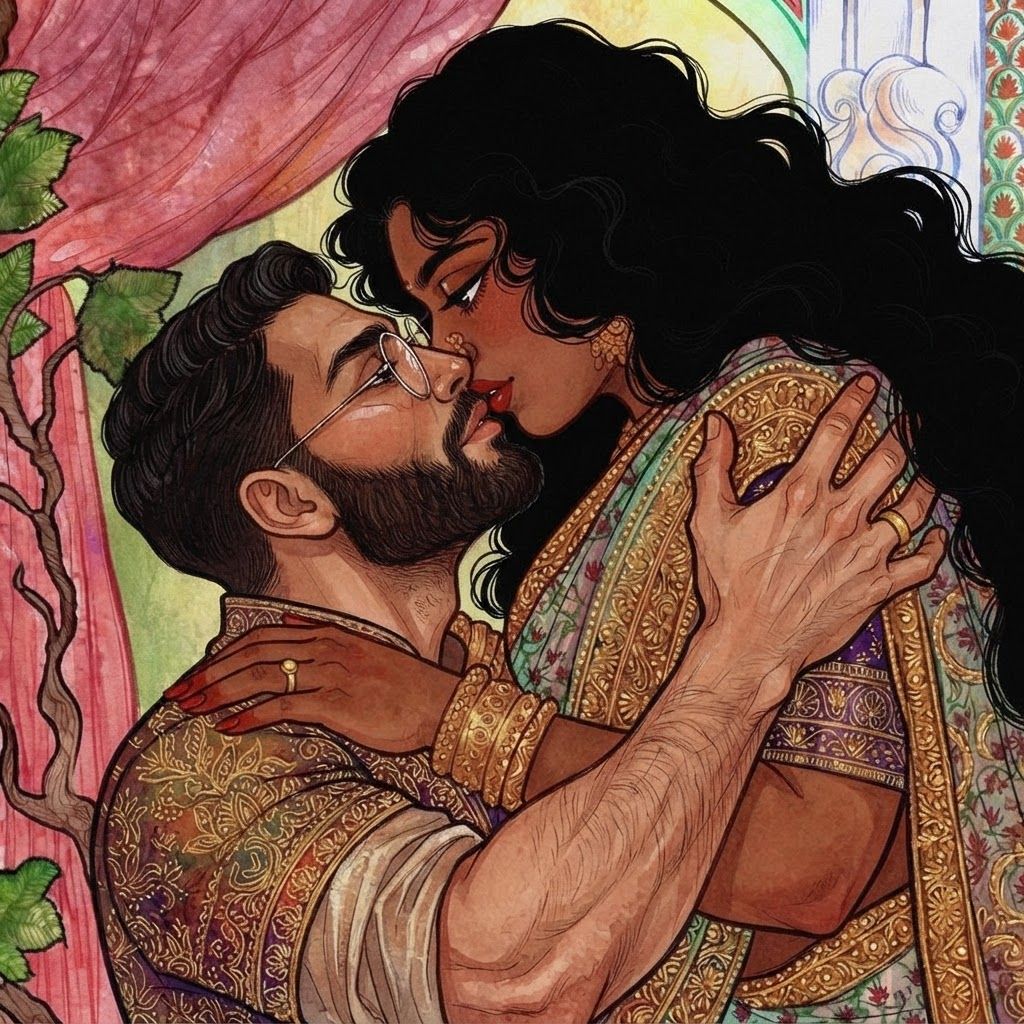
AI Design for create a highly detailed professional painting closeup of a  mascular bearded man with glasses and a dark skinned chubby woman with long black wavy hair standing in an embrace kissins in a foreshortening view. in the same exact art style as image. make the pose dynamic foreshortening, showing them holding each other close

create a highly detailed professional painting closeup of a mascular bearded man with glasses and a dark skinned chubby woman with long black wavy hair standing in an embrace kissins in a foreshortening view. in the same exact art style as image. make the pose dynamic foreshortening, showing them holding each other close

by @Elephant_3756952
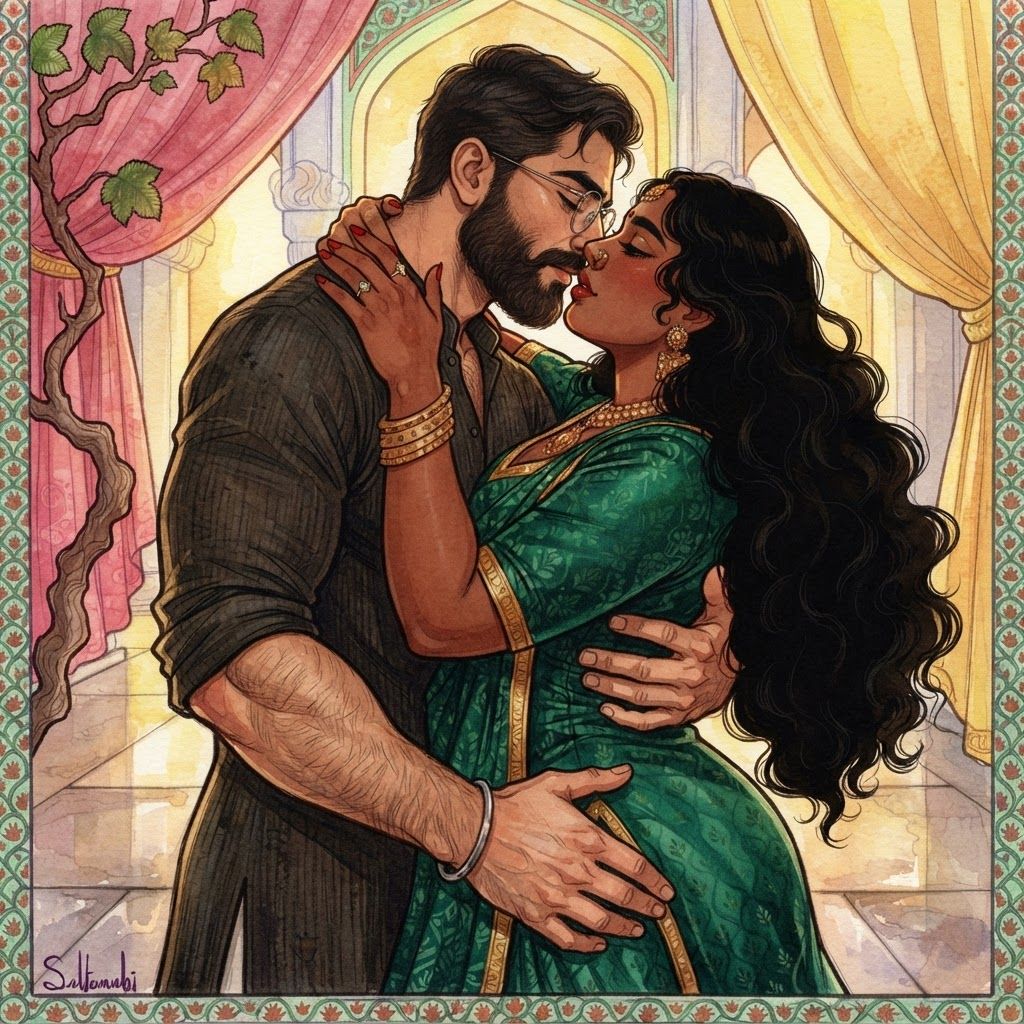
AI Design for create a highly detailed professional painting of a  mascular bearded man with glasses and a dark skinned chubby woman with long black wavy hair standing in an embrace kissins in a foreshortening view. in the same exact art style as image. make the pose dynamic foreshortening, showing them holding each other close

create a highly detailed professional painting of a mascular bearded man with glasses and a dark skinned chubby woman with long black wavy hair standing in an embrace kissins in a foreshortening view. in the same exact art style as image. make the pose dynamic foreshortening, showing them holding each other close

by @Elephant_3756952
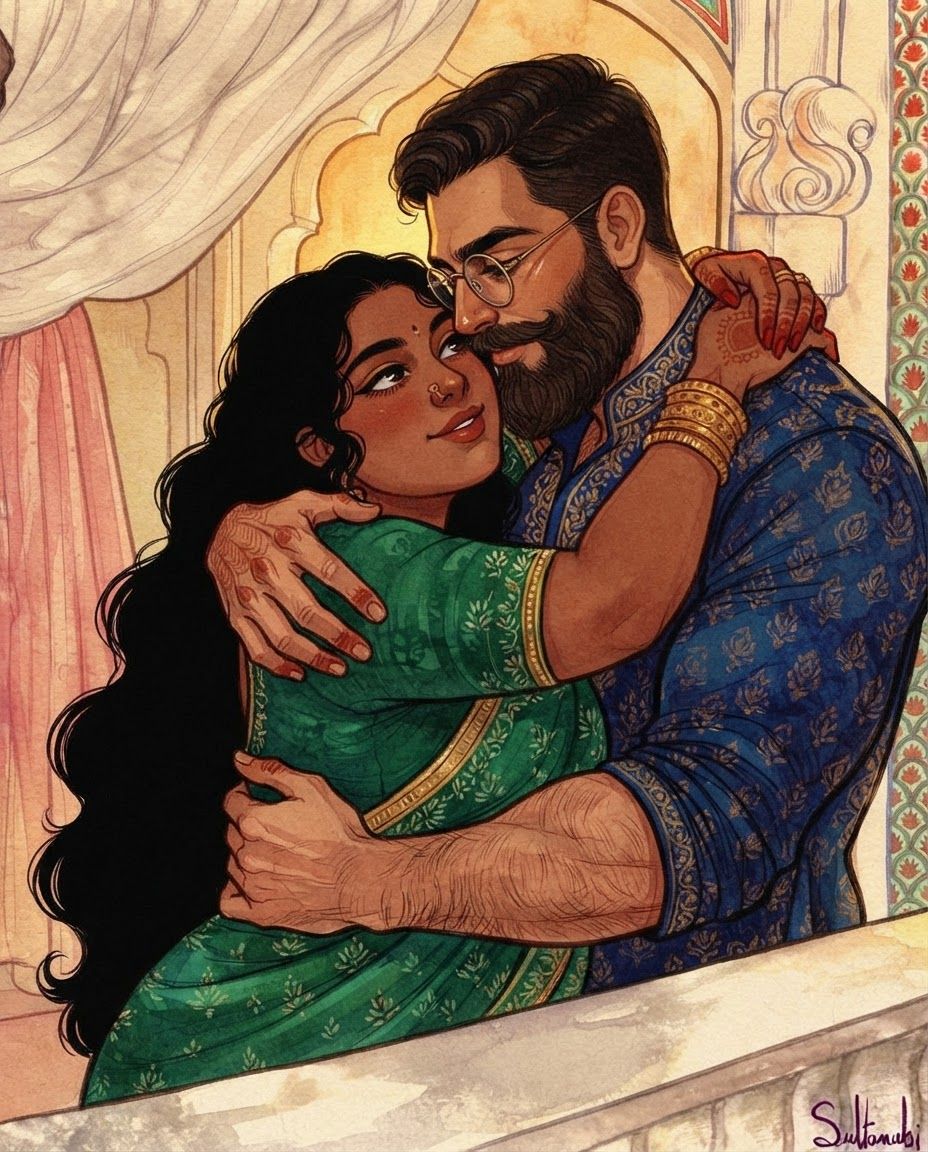
AI Design for create a highly detailed professional painting of a  mascular bearded man with glasses and a dark skinned chubby woman with long black wavy hair standing in an embrace in a foreshortening view. in the same exact art style as image. make the pose dynamic foreshortening, showing them holding each other close

create a highly detailed professional painting of a mascular bearded man with glasses and a dark skinned chubby woman with long black wavy hair standing in an embrace in a foreshortening view. in the same exact art style as image. make the pose dynamic foreshortening, showing them holding each other close

by @Elephant_3756952
AI Design for create a highly detailed professional painting of a  mascular bearded man with glasses and a dark skinned chubby woman with long black wavy hair standing in an embrace in a foreshortening view. in the same exact art style as image. make the pose dynamic foreshortening, showing them holding each other close

create a highly detailed professional painting of a mascular bearded man with glasses and a dark skinned chubby woman with long black wavy hair standing in an embrace in a foreshortening view. in the same exact art style as image. make the pose dynamic foreshortening, showing them holding each other close

by @Elephant_3756952
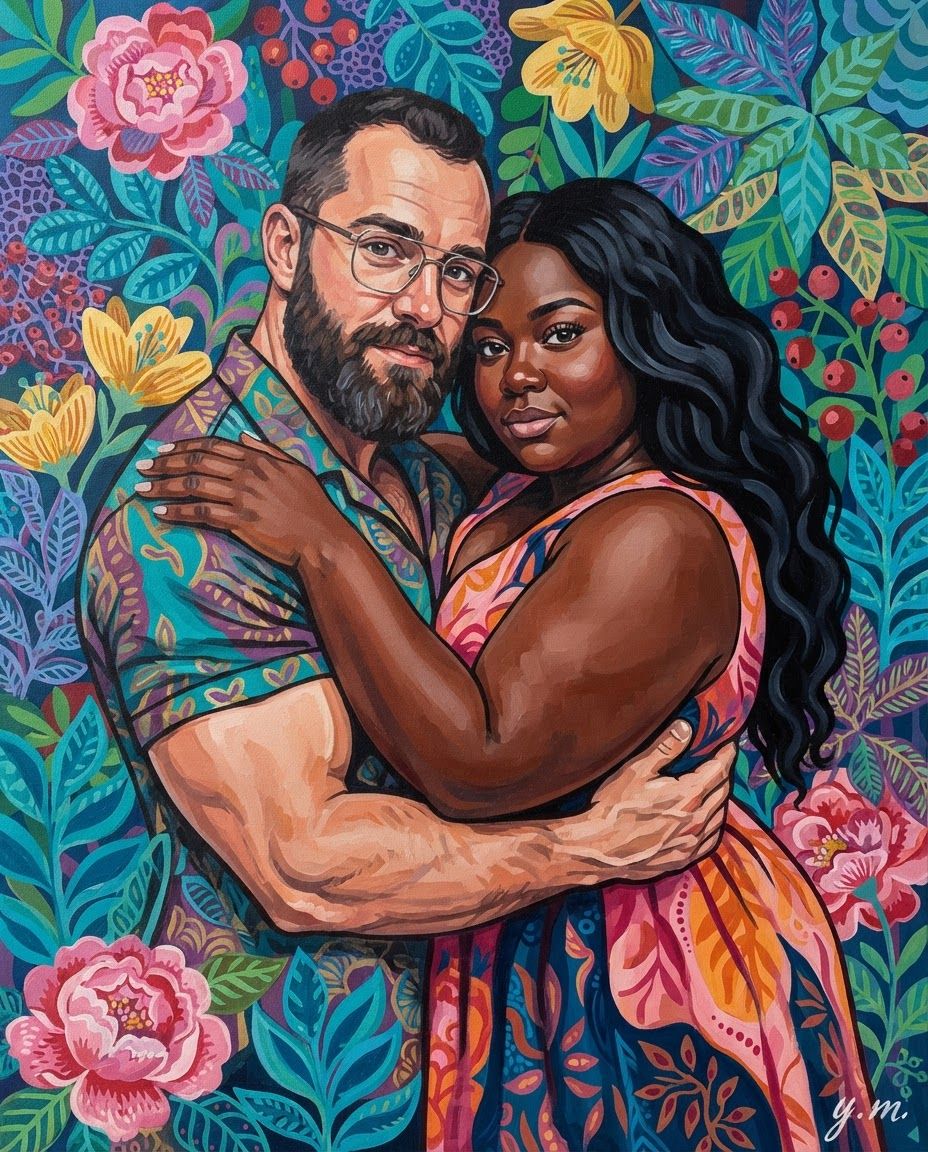
AI Design for create a highly detailed professional painting of a  mascular bearded man with glasses and a dark skinned chubby woman with long black wavy hair standing in an embrace in a foreshortening view. in the same exact art style as image. make the pose dynamic foreshortening, showing them holding each other close

create a highly detailed professional painting of a mascular bearded man with glasses and a dark skinned chubby woman with long black wavy hair standing in an embrace in a foreshortening view. in the same exact art style as image. make the pose dynamic foreshortening, showing them holding each other close

by @Elephant_3756952

AI Design for create a highly detailed professional painting of a  mascular bearded man with glasses and a dark skinned chubby woman with long black wavy hair standing in an embrace in a foreshortening view. in the same exact art style as image. make the pose dynamic foreshortening, showing them holding each other close

create a highly detailed professional painting of a mascular bearded man with glasses and a dark skinned chubby woman with long black wavy hair standing in an embrace in a foreshortening view. in the same exact art style as image. make the pose dynamic foreshortening, showing them holding each other close

by @Elephant_3756952
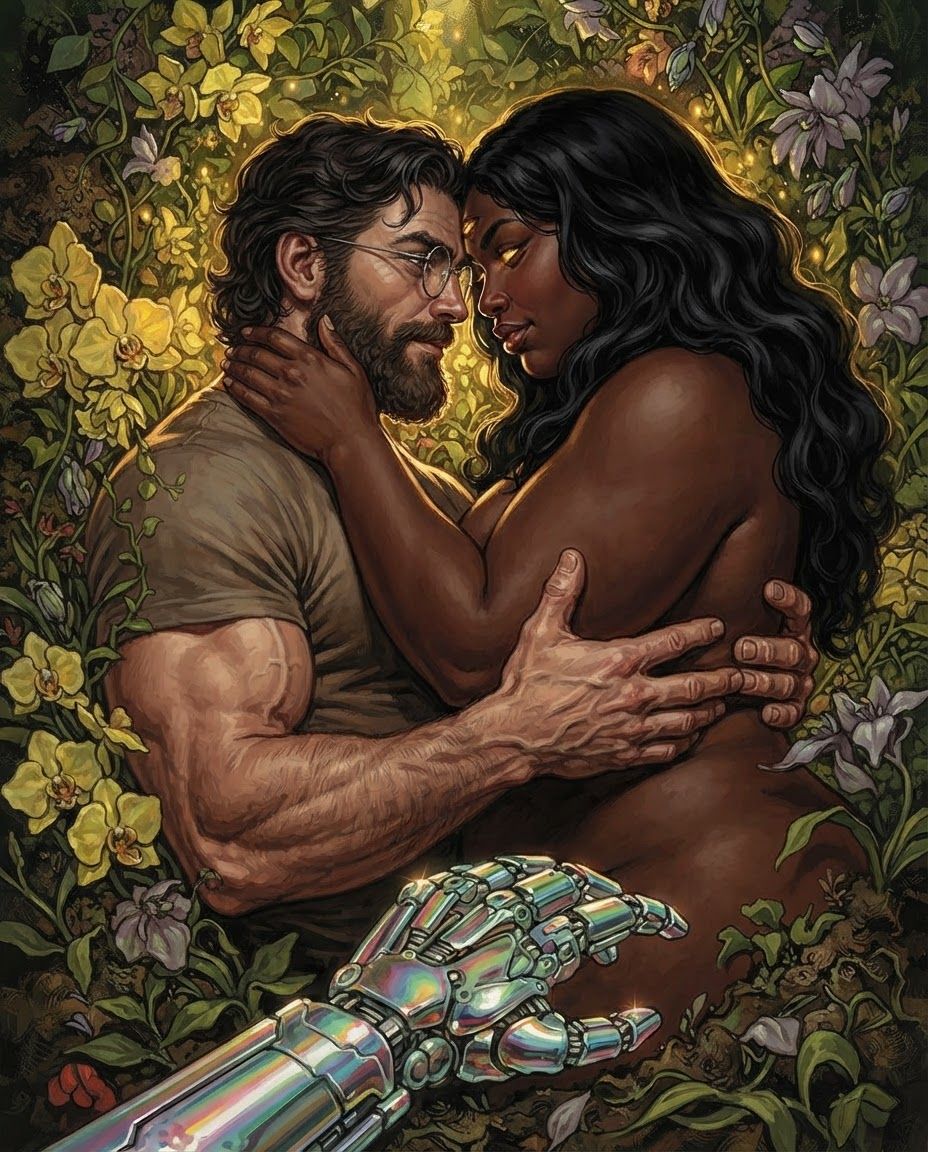
AI Design for create a highly detailed professional painting of a  mascular bearded man with glasses and a dark skinned chubby woman with long black wavy hair standing in an embrace in a foreshortening view. in the same exact art style as image. make the pose dynamic foreshortening, showing them holding each other close

create a highly detailed professional painting of a mascular bearded man with glasses and a dark skinned chubby woman with long black wavy hair standing in an embrace in a foreshortening view. in the same exact art style as image. make the pose dynamic foreshortening, showing them holding each other close

by @Elephant_3756952
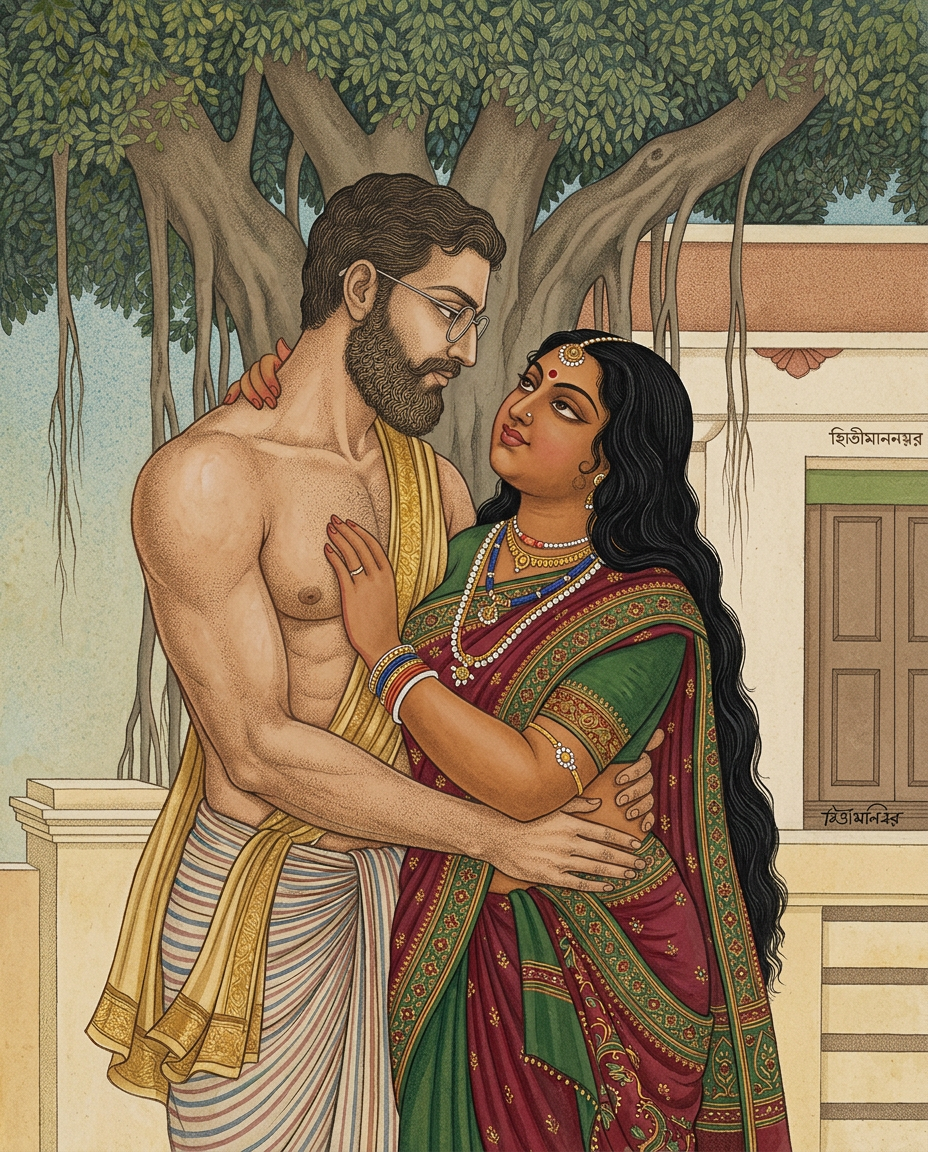
AI Design for create a highly detailed professional painting of a  mascular bearded man with glasses and a dark skinned chubby woman with long black wavy hair standing in an embrace. in the same exact art style as image. make the pose dynamic foreshortening, showing them holding each other close . one man and one woman

create a highly detailed professional painting of a mascular bearded man with glasses and a dark skinned chubby woman with long black wavy hair standing in an embrace. in the same exact art style as image. make the pose dynamic foreshortening, showing them holding each other close . one man and one woman

by @Elephant_1649093
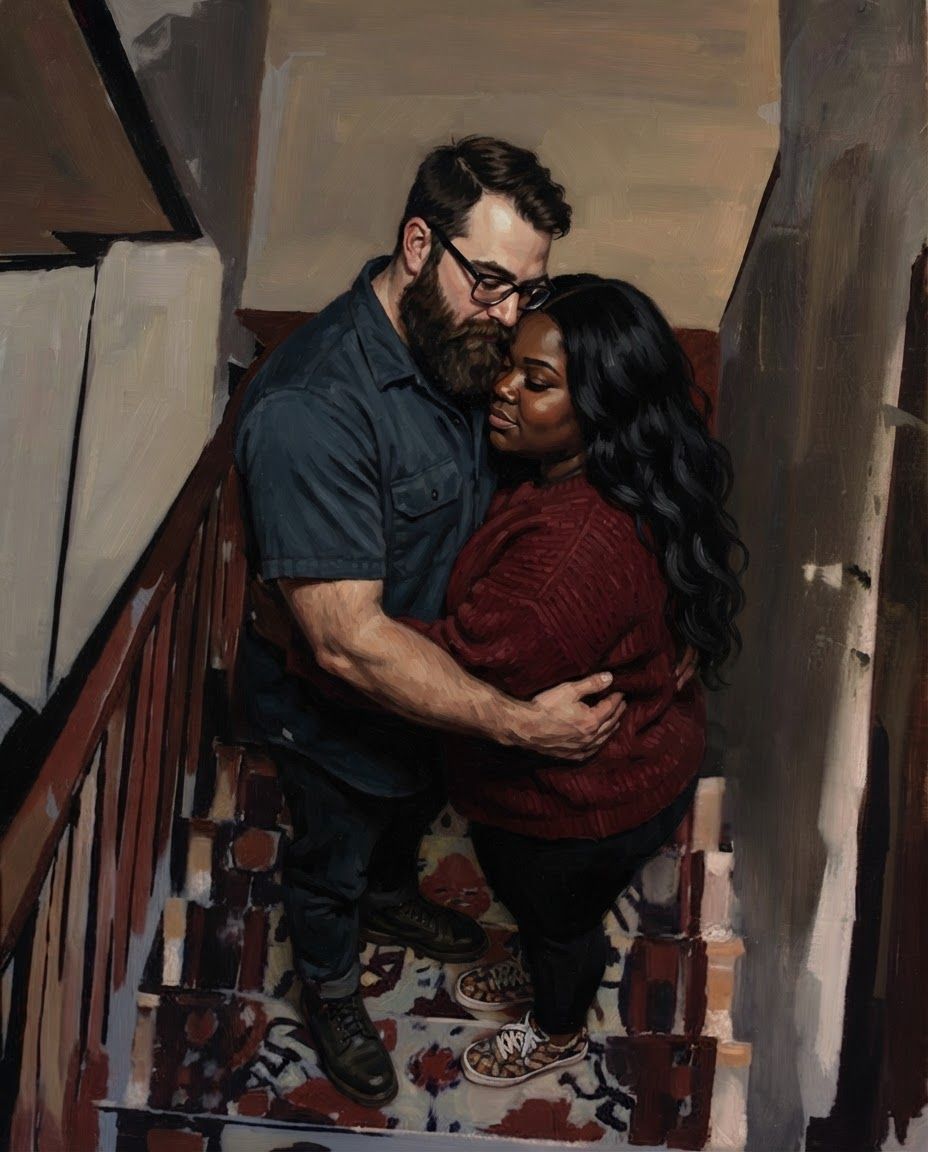
AI Design for create a highly detailed professional painting of a  mascular bearded man with glasses and a dark skinned chubby woman with long black wavy hair standing in an embrace. in the same exact art style as image. make the pose dynamic foreshortening, showing them holding each other close

create a highly detailed professional painting of a mascular bearded man with glasses and a dark skinned chubby woman with long black wavy hair standing in an embrace. in the same exact art style as image. make the pose dynamic foreshortening, showing them holding each other close

by @Elephant_3756952
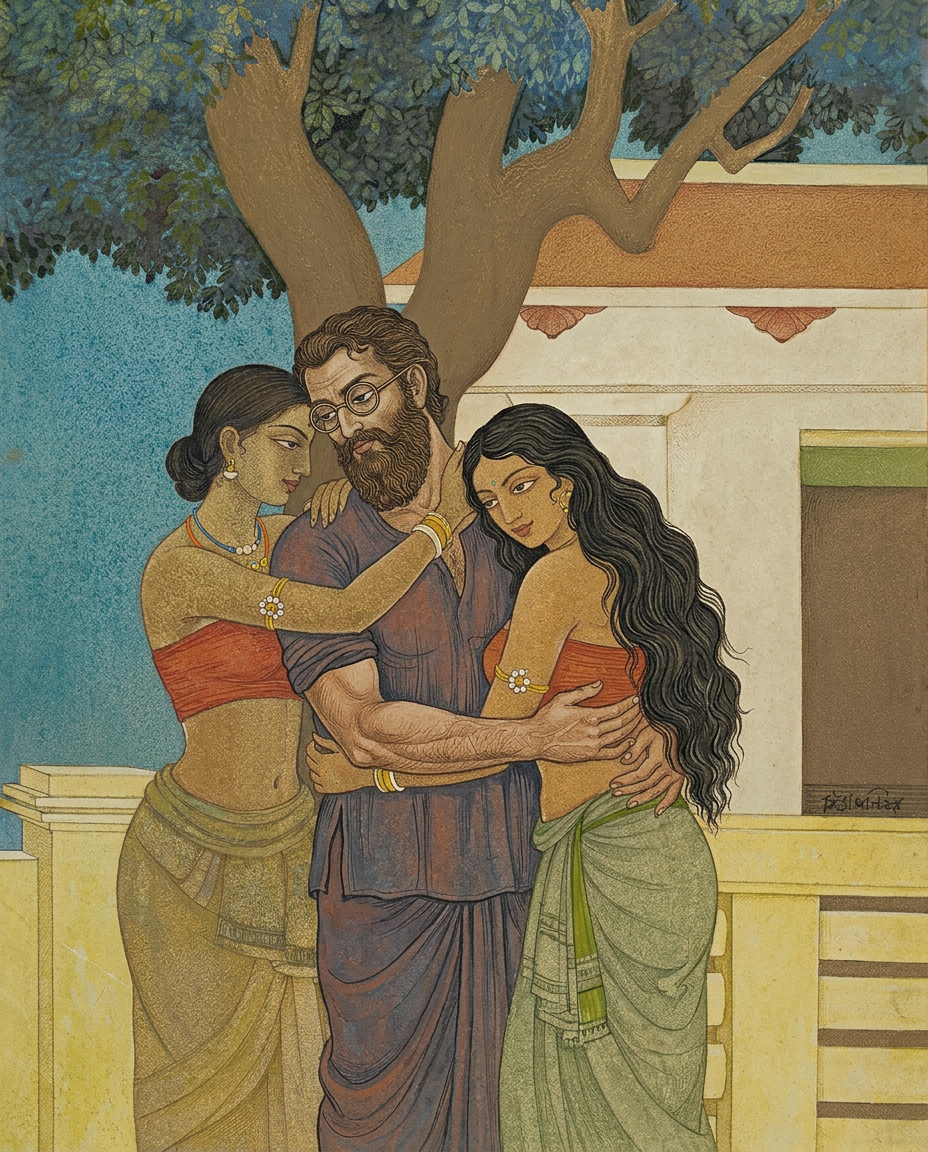
AI Design for create a highly detailed professional painting of a  mascular bearded man with glasses and a dark skinned chubby woman with long black wavy hair standing in an embrace. in the same exact art style as image. make the pose dynamic, showing them holding each other close

create a highly detailed professional painting of a mascular bearded man with glasses and a dark skinned chubby woman with long black wavy hair standing in an embrace. in the same exact art style as image. make the pose dynamic, showing them holding each other close

by @Elephant_1649093

AI Design for create a highly detailed professional painting of a  mascular bearded man with glasses and a dark skinned chubby woman with long black wavy hair standing in an embrace. in the same exact art style as image

create a highly detailed professional painting of a mascular bearded man with glasses and a dark skinned chubby woman with long black wavy hair standing in an embrace. in the same exact art style as image

by @Elephant_1649093

AI Design for Change this image to 4:5 aspect ratio.

Analyze what type of content this is and handle the transformation appropriately:
- If it's a product photo: keep the product exactly the same, only extend or crop the background
- If it has text, logos, or graphic elements: preserve all text and graphics exactly as they are
- If it's a portrait or photo of people: keep the subject intact, extend or crop the surrounding environment
- If it's a landscape or scenery: seamlessly extend or crop the natural environment
- If it's artwork or illustration: maintain the artistic style consistently

Apply the most appropriate transformation based on what you see in the image.

Change this image to 4:5 aspect ratio. Analyze what type of content this is and handle the transformation appropriately: - If it's a product photo: keep the product exactly the same, only extend or crop the background - If it has text, logos, or graphic elements: preserve all text and graphics exactly as they are - If it's a portrait or photo of people: keep the subject intact, extend or crop the surrounding environment - If it's a landscape or scenery: seamlessly extend or crop the natural environment - If it's artwork or illustration: maintain the artistic style consistently Apply the most appropriate transformation based on what you see in the image.

by @Elephant_7361556
AI Design for Change this image to 4:5 aspect ratio.

Analyze what type of content this is and handle the transformation appropriately:
- If it's a product photo: keep the product exactly the same, only extend or crop the background
- If it has text, logos, or graphic elements: preserve all text and graphics exactly as they are
- If it's a portrait or photo of people: keep the subject intact, extend or crop the surrounding environment
- If it's a landscape or scenery: seamlessly extend or crop the natural environment
- If it's artwork or illustration: maintain the artistic style consistently

Apply the most appropriate transformation based on what you see in the image.

Change this image to 4:5 aspect ratio. Analyze what type of content this is and handle the transformation appropriately: - If it's a product photo: keep the product exactly the same, only extend or crop the background - If it has text, logos, or graphic elements: preserve all text and graphics exactly as they are - If it's a portrait or photo of people: keep the subject intact, extend or crop the surrounding environment - If it's a landscape or scenery: seamlessly extend or crop the natural environment - If it's artwork or illustration: maintain the artistic style consistently Apply the most appropriate transformation based on what you see in the image.

by @Elephant_7361556
AI Design for Change this image to 4:5 aspect ratio.

Analyze what type of content this is and handle the transformation appropriately:
- If it's a product photo: keep the product exactly the same, only extend or crop the background
- If it has text, logos, or graphic elements: preserve all text and graphics exactly as they are
- If it's a portrait or photo of people: keep the subject intact, extend or crop the surrounding environment
- If it's a landscape or scenery: seamlessly extend or crop the natural environment
- If it's artwork or illustration: maintain the artistic style consistently

Apply the most appropriate transformation based on what you see in the image.

Change this image to 4:5 aspect ratio. Analyze what type of content this is and handle the transformation appropriately: - If it's a product photo: keep the product exactly the same, only extend or crop the background - If it has text, logos, or graphic elements: preserve all text and graphics exactly as they are - If it's a portrait or photo of people: keep the subject intact, extend or crop the surrounding environment - If it's a landscape or scenery: seamlessly extend or crop the natural environment - If it's artwork or illustration: maintain the artistic style consistently Apply the most appropriate transformation based on what you see in the image.

by @Elephant_7361556
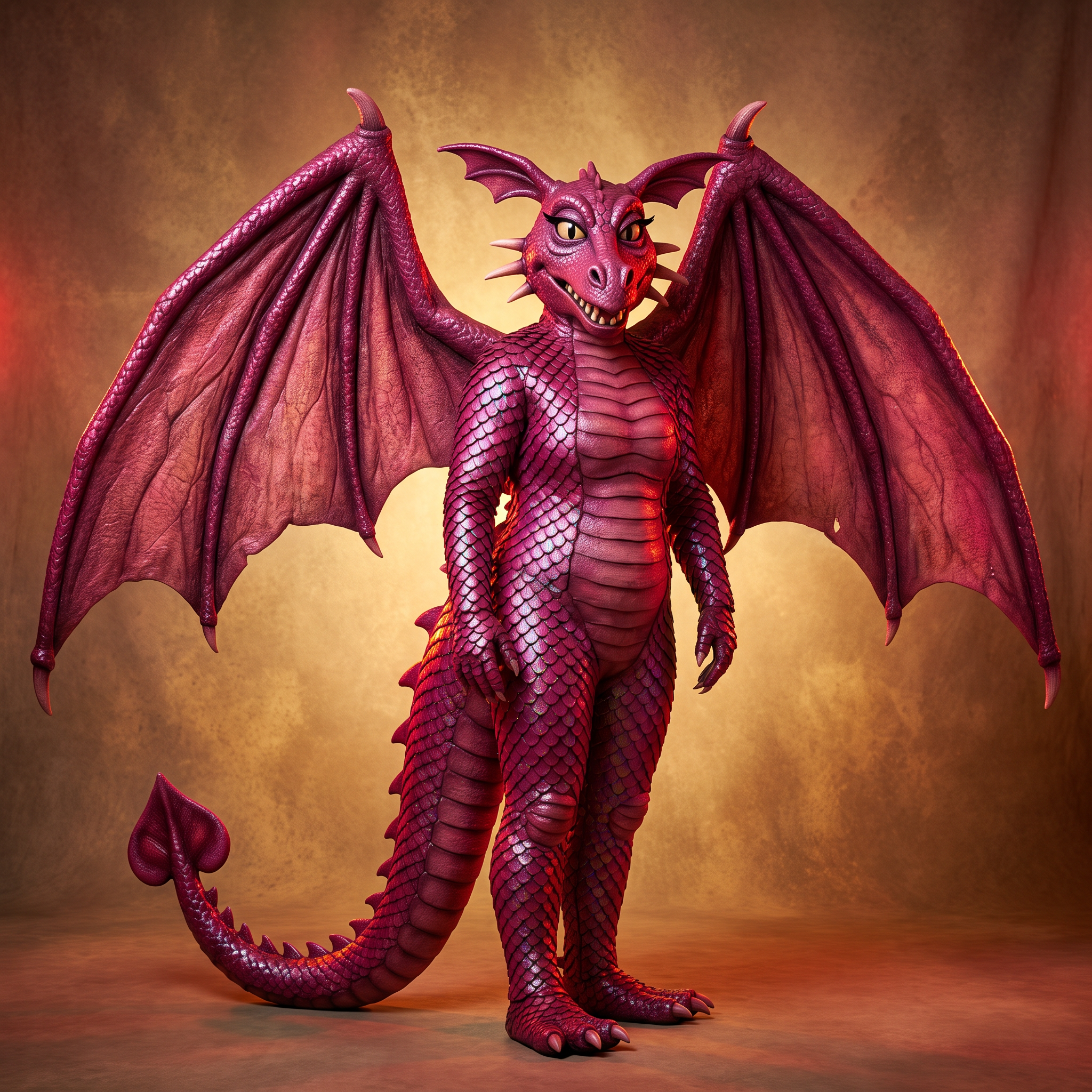
AI Design for Full-body studio portrait of a person wearing a complete Dragon from Shrek Halloween costume, featuring shimmering magenta-pink scales, large leathery dragon wings, and a long tail with a heart-shaped tip. Dramatic warm backlighting, vibrant colors, highly detailed costume design, 1:1 aspect ratio.

Full-body studio portrait of a person wearing a complete Dragon from Shrek Halloween costume, featuring shimmering magenta-pink scales, large leathery dragon wings, and a long tail with a heart-shaped tip. Dramatic warm backlighting, vibrant colors, highly detailed costume design, 1:1 aspect ratio.

by @Elephant_6392773
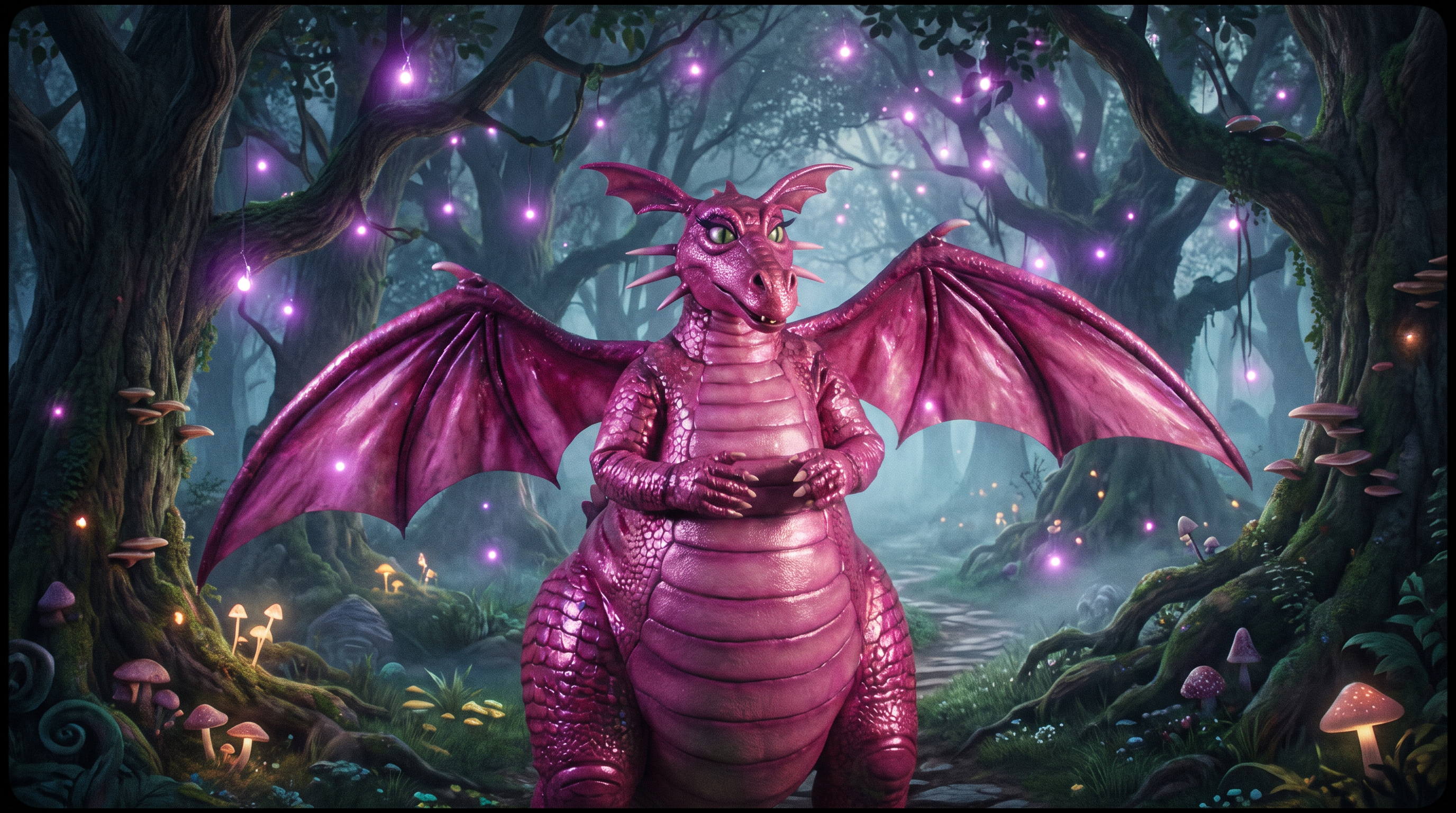
AI Design for Cinematic wide shot of the Dragon from Shrek Halloween costume worn in a misty, magical forest at twilight. Glowing purple fairy lights drift through the trees, casting a mystical glow on the shiny pink scales and sweeping wings of the costume. Moody atmosphere, rich fantasy aesthetic, 16:9 aspect ratio.

Cinematic wide shot of the Dragon from Shrek Halloween costume worn in a misty, magical forest at twilight. Glowing purple fairy lights drift through the trees, casting a mystical glow on the shiny pink scales and sweeping wings of the costume. Moody atmosphere, rich fantasy aesthetic, 16:9 aspect ratio.

by @Elephant_6392773
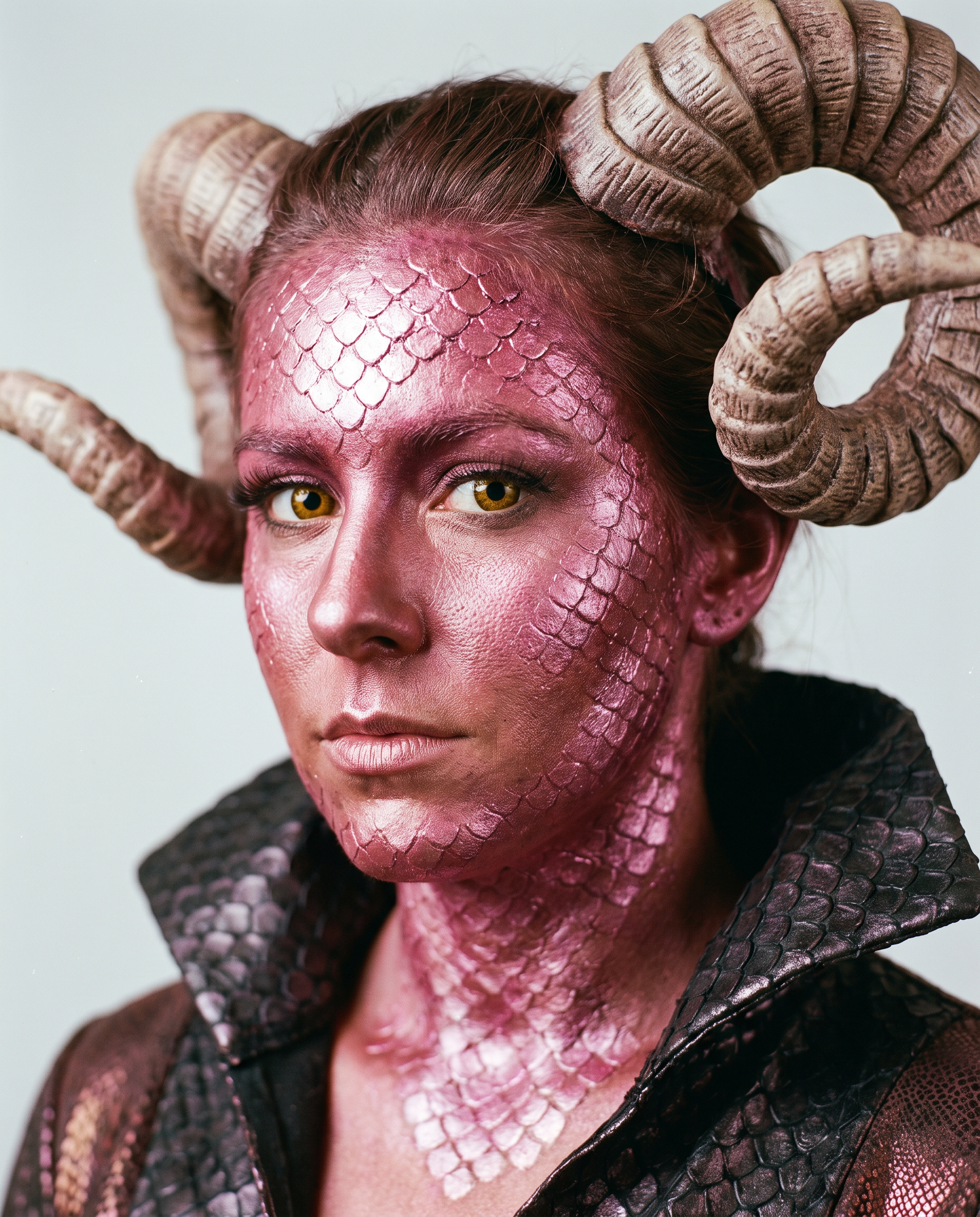
AI Design for Close-up portrait focusing on the head and shoulders of the Dragon from Shrek Halloween costume, showcasing intricate metallic pink scale makeup, curled dragon horns, and expressive golden-yellow eyes. Soft studio lighting, sharp focus on texture, 4:5 aspect ratio.

Close-up portrait focusing on the head and shoulders of the Dragon from Shrek Halloween costume, showcasing intricate metallic pink scale makeup, curled dragon horns, and expressive golden-yellow eyes. Soft studio lighting, sharp focus on texture, 4:5 aspect ratio.

by @Elephant_6392773

  • 1
  • 2
  • 3
  • ...
  • 7
  • 8
  • 9
  • 10
  • 11
  • ...
  • 6701
  • 6702
  • 6703

What's next?Explore more features

Hiding Elephant product features overview

Explore features

AI generation, vector tools, workflows, catalogs, and collaboration in one workspace.

How Hiding Elephant works

How it works

See how the AI canvas, automation, and teamwork fit together end to end.

Get started with Hiding Elephant

Try it free

Sign in and turn inspiration into projects you can edit, export, and share.

Go from browse to build

Explore what else the Elephant can do.You'll love it

AI image generation

AI Generation

Image tools

Image Tools

Workflow builder

Workflows

Brand and style templates

Brand Management

Product catalog

Product Catalog

Collaboration

Collaboration

Batch image generation

Batch generation

Explore community

Community workflows

The AI designworkspace forfast-moving ideas.

Product

  • Ellie
  • Apps
  • AI Generation
  • Vector Canvas
  • Image Tools
  • Workflows
  • Brand Management
  • Product Catalog
  • My Assets
  • Collaboration

Use Cases

  • E-commerce teams
  • Design agencies
  • Marketing teams
  • Content creators

Quick tools

  • All quick tools
  • Background Remover
  • Image Upscaler
  • Image Vectorizer
  • Image Optimizer
  • Image Reframer

Resources

  • About
  • Pricing
  • FAQ
  • Compare
  • Enterprise
  • Integrations
  • Explore
  • Blog
  • Case studies
  • Contact Us
  • Book a Demo
  • Affiliates

© 2026 Hiding Elephant. All rights reserved

Cookie PolicyPrivacy PolicyTerms of Service
Hiding Elephant