Product
Use Cases
How it Works
Pricing
Login

AI image design: Absolutely. Since the artwork references are important for matching the anatomy, proportions, pose, and existing templat…
Back to community
Absolutely. Since the artwork references are important for matching the anatomy, proportions, pose, and existing template precisely, please upload the **8 reference images** (or the available images) so the prompt can be tailored to them.

Meanwhile, here is a professional prompt structured around the brief:

### PROFESSIONAL AI IMAGE GENERATION PROMPT

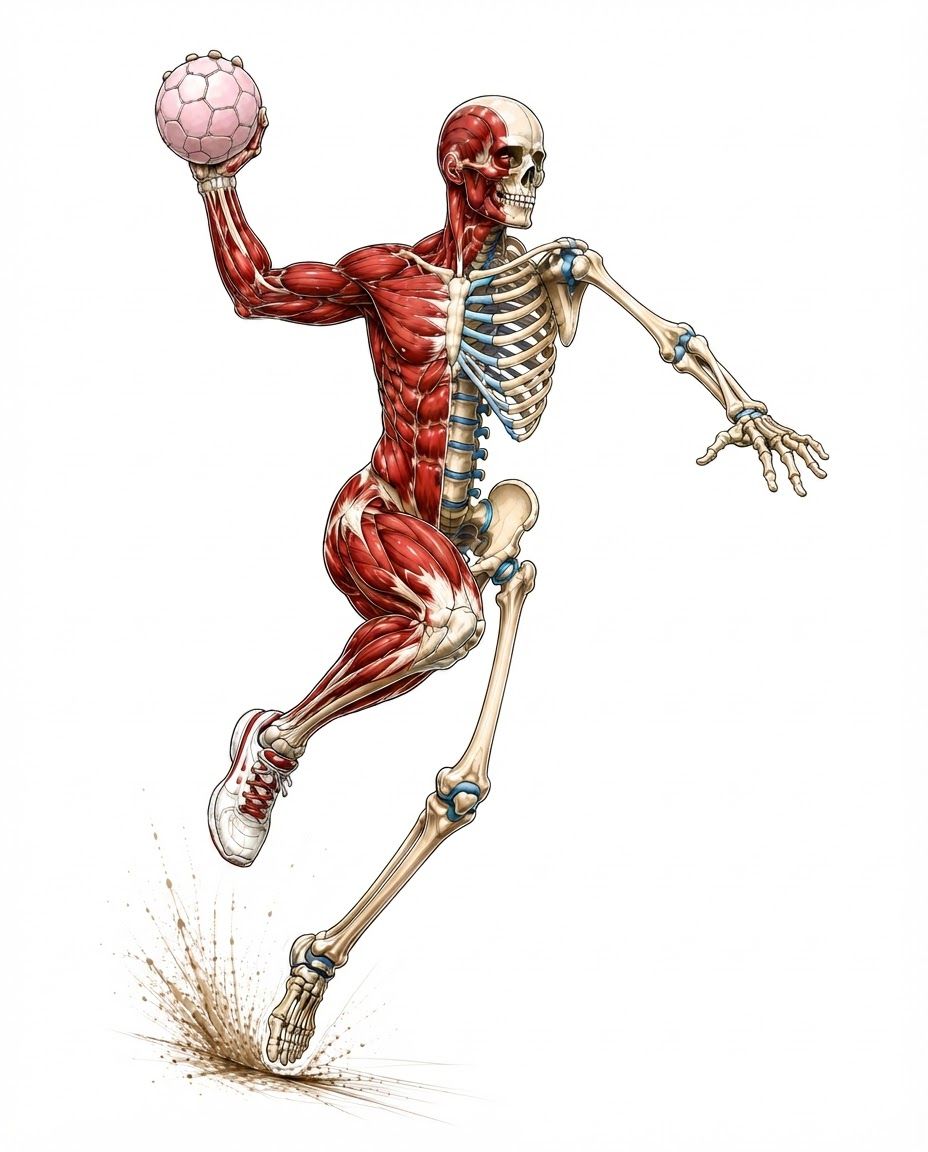
Create a **highly detailed, professionally rendered medical/anatomical vector illustration** based precisely on the supplied reference artwork and template.

The final artwork must depict **8 individual anatomical/medical characters**, each recreated as a clean, accurate vector illustration while preserving the **specific anatomy, proportions, pose, orientation, distinctive visual features, and overall construction shown in the supplied references**.

### FORMAT & TEMPLATE

* Final canvas/document dimensions: **200 cm high × 110 cm wide**
* Portrait orientation
* Artwork prepared specifically for **Adobe Illustrator**
* True vector-style construction
* Each character must remain fully editable
* No rasterized appearance
* No photographic textures
* No background
* Transparent background
* Characters isolated individually
* Maintain generous spacing between characters so they can be separated and arranged independently
* Ensure the artwork remains sharp and clean at very large physical print dimensions

### ANATOMICAL ACCURACY

The illustrations should have the visual precision of **professional medical/anatomical illustration**, with careful attention to:

* Anatomically correct structures
* Accurate proportions
* Correct skeletal, muscular, vascular, or organ relationships where applicable
* Scientifically plausible anatomical forms
* Clearly defined anatomical landmarks
* Consistent perspective
* Correct spatial relationships between visible structures
* Clean separation of overlapping anatomical elements
* Precise contours and controlled linework

Do **not** simplify the anatomy into generic cartoon forms. The result should feel like a professionally prepared **medical illustration translated into a polished vector artwork**.

### VECTOR ART DIRECTION

Use a sophisticated **medical vector illustration aesthetic**:

* Extremely clean contours
* Precise Bézier-style curves
* Controlled line weights
* Crisp edges
* Carefully constructed shapes
* Layered vector forms
* Subtle tonal variation created through vector shapes rather than raster effects
* Clear anatomical separation
* Professional editorial/medical illustration finish
* Refined, polished, publication-quality appearance

Where the reference contains anatomical detail, reproduce it faithfully rather than replacing it with decorative or generic detail.

### REFERENCE FIDELITY

Treat the supplied images as the **primary visual references**.

For each of the 8 characters:

1. Preserve the original character's overall silhouette.
2. Match the pose and body orientation.
3. Match the proportions and relative scale of anatomical components.
4. Preserve recognizable anatomical structures.
5. Recreate the distinctive visual characteristics of the reference.
6. Maintain consistency between all 8 illustrations.
7. Do not redesign the anatomy unnecessarily.
8. Do not merge characteristics from different references.
9. Do not introduce additional characters or anatomical structures that are absent from the references.

The final collection should clearly look like **8 professionally vectorized versions of the supplied anatomical artworks**, rather than 8 unrelated interpretations.

### DETAIL LEVEL

Use a **high level of anatomical detail**, including fine structural information wherever visible in the references.

Details should remain intentional and legible at large-format print scale. Avoid excessive micro-detail that creates visual noise.

The hierarchy should be:

**primary anatomical form → secondary structures → fine anatomical details → controlled vector accents**

Every detail should support anatomical clarity.

### COLOR

Follow the **reference images' existing color logic** as closely as possible.

Use clean, professionally controlled colors suitable for large-format print production.

Avoid:

* muddy gradients
* uncontrolled transparency
* excessive glow
* photographic shading
* 3D-rendered surfaces
* glossy plastic effects
* unnecessary decorative colors

If gradients are present in the reference, reproduce them as **clean vector gradients** or carefully constructed tonal shapes.

### COMPOSITION

Arrange the 8 characters within the **110 × 200 cm portrait template** while keeping each figure visually independent.

The composition should feel balanced and professionally organized, with:

* consistent scale
* consistent visual weight
* appropriate negative space
* clear separation
* no overlapping unless specifically shown in the reference
* no background elements

The characters must remain usable as individual vector assets.

### BACKGROUND

**NO BACKGROUND.**

The final image should contain only the 8 anatomical characters.

Use a completely transparent background.

Do not add:

* scenery
* room/environment
* shadows on the floor
* decorative patterns
* gradients behind the characters
* borders
* frames
* text
* labels
* logos
* typography
* icons

unless these elements are explicitly present in the supplied reference and specifically required.

### PRODUCTION QUALITY

The visual result should resemble artwork produced by a **senior medical illustrator and professional Adobe Illustrator vector artist**.

Prioritize:

**anatomical accuracy + reference fidelity + clean vector construction + large-format print quality + editable structure.**

The final artwork should be suitable for professional printing at **200 × 110 cm**.

### NEGATIVE PROMPT

Avoid photorealism, 3D rendering, cartoon anatomy, distorted anatomy, incorrect proportions, simplified anatomy, inconsistent linework, blurry edges, raster textures, pixelation, painterly effects, excessive gradients, artificial-looking anatomy, unnecessary decorative elements, background scenery, drop shadows, text, labels, watermark, logo, cropped body parts, duplicated structures, extra limbs, malformed anatomy, overlapping characters, inconsistent scale, and generic reinterpretation of the references.

**Final objective:** create **8 highly detailed, anatomically accurate, professionally constructed medical vector characters**, faithfully based on the supplied references, arranged on a **200 cm × 110 cm portrait template**, with **no background**, suitable for professional Adobe Illustrator production and large-format printing.

Community

Design detail

Elephant_3756952

Creator

@Elephant_3756952

Created September 5, 2026
Prompt

Absolutely. Since the artwork references are important for matching the anatomy, proportions, pose, and existing template precisely, please upload the **8 reference images** (or the available images) so the prompt can be tailored to them. Meanwhile, here is a professional prompt structured around the brief: ### PROFESSIONAL AI IMAGE GENERATION PROMPT Create a **highly detailed, professionally rendered medical/anatomical vector illustration** based precisely on the supplied reference artwork and template. The final artwork must depict **8 individual anatomical/medical characters**, each recreated as a clean, accurate vector illustration while preserving the **specific anatomy, proportions, pose, orientation, distinctive visual features, and overall construction shown in the supplied references**. ### FORMAT & TEMPLATE * Final canvas/document dimensions: **200 cm high × 110 cm wide** * Portrait orientation * Artwork prepared specifically for **Adobe Illustrator** * True vector-style construction * Each character must remain fully editable * No rasterized appearance * No photographic textures * No background * Transparent background * Characters isolated individually * Maintain generous spacing between characters so they can be separated and arranged independently * Ensure the artwork remains sharp and clean at very large physical print dimensions ### ANATOMICAL ACCURACY The illustrations should have the visual precision of **professional medical/anatomical illustration**, with careful attention to: * Anatomically correct structures * Accurate proportions * Correct skeletal, muscular, vascular, or organ relationships where applicable * Scientifically plausible anatomical forms * Clearly defined anatomical landmarks * Consistent perspective * Correct spatial relationships between visible structures * Clean separation of overlapping anatomical elements * Precise contours and controlled linework Do **not** simplify the anatomy into generic cartoon forms. The result should feel like a professionally prepared **medical illustration translated into a polished vector artwork**. ### VECTOR ART DIRECTION Use a sophisticated **medical vector illustration aesthetic**: * Extremely clean contours * Precise Bézier-style curves * Controlled line weights * Crisp edges * Carefully constructed shapes * Layered vector forms * Subtle tonal variation created through vector shapes rather than raster effects * Clear anatomical separation * Professional editorial/medical illustration finish * Refined, polished, publication-quality appearance Where the reference contains anatomical detail, reproduce it faithfully rather than replacing it with decorative or generic detail. ### REFERENCE FIDELITY Treat the supplied images as the **primary visual references**. For each of the 8 characters: 1. Preserve the original character's overall silhouette. 2. Match the pose and body orientation. 3. Match the proportions and relative scale of anatomical components. 4. Preserve recognizable anatomical structures. 5. Recreate the distinctive visual characteristics of the reference. 6. Maintain consistency between all 8 illustrations. 7. Do not redesign the anatomy unnecessarily. 8. Do not merge characteristics from different references. 9. Do not introduce additional characters or anatomical structures that are absent from the references. The final collection should clearly look like **8 professionally vectorized versions of the supplied anatomical artworks**, rather than 8 unrelated interpretations. ### DETAIL LEVEL Use a **high level of anatomical detail**, including fine structural information wherever visible in the references. Details should remain intentional and legible at large-format print scale. Avoid excessive micro-detail that creates visual noise. The hierarchy should be: **primary anatomical form → secondary structures → fine anatomical details → controlled vector accents** Every detail should support anatomical clarity. ### COLOR Follow the **reference images' existing color logic** as closely as possible. Use clean, professionally controlled colors suitable for large-format print production. Avoid: * muddy gradients * uncontrolled transparency * excessive glow * photographic shading * 3D-rendered surfaces * glossy plastic effects * unnecessary decorative colors If gradients are present in the reference, reproduce them as **clean vector gradients** or carefully constructed tonal shapes. ### COMPOSITION Arrange the 8 characters within the **110 × 200 cm portrait template** while keeping each figure visually independent. The composition should feel balanced and professionally organized, with: * consistent scale * consistent visual weight * appropriate negative space * clear separation * no overlapping unless specifically shown in the reference * no background elements The characters must remain usable as individual vector assets. ### BACKGROUND **NO BACKGROUND.** The final image should contain only the 8 anatomical characters. Use a completely transparent background. Do not add: * scenery * room/environment * shadows on the floor * decorative patterns * gradients behind the characters * borders * frames * text * labels * logos * typography * icons unless these elements are explicitly present in the supplied reference and specifically required. ### PRODUCTION QUALITY The visual result should resemble artwork produced by a **senior medical illustrator and professional Adobe Illustrator vector artist**. Prioritize: **anatomical accuracy + reference fidelity + clean vector construction + large-format print quality + editable structure.** The final artwork should be suitable for professional printing at **200 × 110 cm**. ### NEGATIVE PROMPT Avoid photorealism, 3D rendering, cartoon anatomy, distorted anatomy, incorrect proportions, simplified anatomy, inconsistent linework, blurry edges, raster textures, pixelation, painterly effects, excessive gradients, artificial-looking anatomy, unnecessary decorative elements, background scenery, drop shadows, text, labels, watermark, logo, cropped body parts, duplicated structures, extra limbs, malformed anatomy, overlapping characters, inconsistent scale, and generic reinterpretation of the references. **Final objective:** create **8 highly detailed, anatomically accurate, professionally constructed medical vector characters**, faithfully based on the supplied references, arranged on a **200 cm × 110 cm portrait template**, with **no background**, suitable for professional Adobe Illustrator production and large-format printing.

Remix this design

Start for free with full control over models, settings, and canvas tools.

  • ·Generate with full control over models and settings
  • ·Save projects and share back to the community
  • ·No design experience required
Start free — use this prompt
Browse more community designs →
Start free — remix this

What's next?Explore more features

Hiding Elephant product features overview

Explore features

AI generation, vector tools, workflows, catalogs, and collaboration in one workspace.

How Hiding Elephant works

How it works

See how the AI canvas, automation, and teamwork fit together end to end.

Get started with Hiding Elephant

Try it free

Sign in and turn inspiration into projects you can edit, export, and share.

Go from browse to build

Explore what else the Elephant can do.You'll love it

AI image generation

AI Generation

Image tools

Image Tools

Workflow builder

Workflows

Brand and style templates

Brand Management

Product catalog

Product Catalog

Collaboration

Collaboration

Batch image generation

Batch generation

Explore community

Community workflows

The AI designworkspace forfast-moving ideas.

Product

  • AI Generation
  • Vector Canvas
  • Image Tools
  • Workflows
  • Brand Management
  • Product Catalog
  • My Assets
  • Collaboration

Use Cases

  • E-commerce teams
  • Design agencies
  • Marketing teams
  • Content creators

Quick tools

  • All quick tools
  • Background Remover
  • Image Upscaler
  • Image Vectorizer
  • Image Optimizer
  • Image Reframer

Resources

  • About
  • Pricing
  • FAQ
  • Compare
  • Enterprise
  • Explore
  • Blog
  • Contact Us
  • Book a Demo
  • Affiliates

© 2026 Hiding Elephant. All rights reserved

Cookie PolicyPrivacy PolicyTerms of Service
Hiding Elephant