Product
Use Cases
How it Works
Pricing
Login

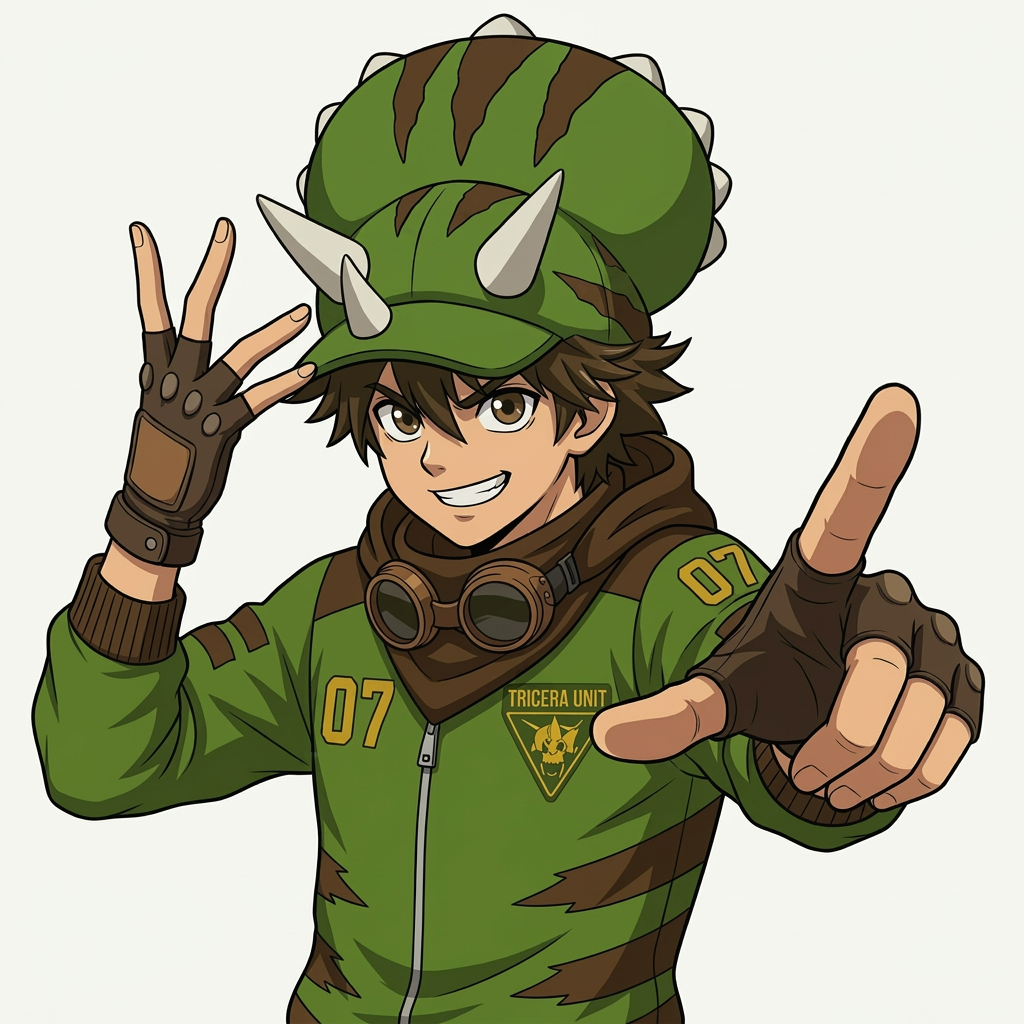
AI image design: Anime art style in general is built around clarity, expression, and strong visual design rather than strict realism. Ch…
Back to community
Anime art style in general is built around clarity, expression, and strong visual design rather than strict realism.

Characters are usually drawn with simplified anatomy. Bodies are proportioned in a way that makes them easy to read at a glance—often slightly elongated, with clean curves and smooth transitions between body parts. Instead of highly detailed muscles or skin texture, the focus is on the overall shape and pose.

Faces are one of the most important parts. They tend to have large, expressive eyes that carry most of the emotion. The rest of the face is simplified: a small nose, minimal mouth detail, and clean jawlines. This helps expressions read clearly even from a distance or in fast animation.

Linework is typically clean and controlled. Outlines are smooth and consistent, without heavy sketchiness. Many anime styles use line weight variation—thicker lines around the outer silhouette and thinner lines for inner details—to help separate forms and create depth.

Coloring is usually flat or semi-flat, with limited shading. Instead of complex lighting, shadows are placed in simple shapes on key areas like under the chin, hair, or clothing folds. This gives a graphic, stylized look that stays readable even in motion.

Hair is designed as large, structured shapes rather than individual strands. It’s broken into sections or clumps that behave like solid forms, which makes hairstyles look distinctive and memorable.

Movement and posing are also a big part of the style. Characters are often drawn in dynamic poses with clear silhouettes, so their actions are understandable even without detail. The goal is to make each frame feel expressive and visually strong.

Overall, anime art style prioritizes readability, emotional expression, and stylized design over realism, using simplified forms, clean lines, and controlled shading to create a distinctive, iconic look.

Community

Design detail

Elephant_8984916

Creator

@Elephant_8984916

Created June 14, 2026
Prompt

Anime art style in general is built around clarity, expression, and strong visual design rather than strict realism. Characters are usually drawn with simplified anatomy. Bodies are proportioned in a way that makes them easy to read at a glance—often slightly elongated, with clean curves and smooth transitions between body parts. Instead of highly detailed muscles or skin texture, the focus is on the overall shape and pose. Faces are one of the most important parts. They tend to have large, expressive eyes that carry most of the emotion. The rest of the face is simplified: a small nose, minimal mouth detail, and clean jawlines. This helps expressions read clearly even from a distance or in fast animation. Linework is typically clean and controlled. Outlines are smooth and consistent, without heavy sketchiness. Many anime styles use line weight variation—thicker lines around the outer silhouette and thinner lines for inner details—to help separate forms and create depth. Coloring is usually flat or semi-flat, with limited shading. Instead of complex lighting, shadows are placed in simple shapes on key areas like under the chin, hair, or clothing folds. This gives a graphic, stylized look that stays readable even in motion. Hair is designed as large, structured shapes rather than individual strands. It’s broken into sections or clumps that behave like solid forms, which makes hairstyles look distinctive and memorable. Movement and posing are also a big part of the style. Characters are often drawn in dynamic poses with clear silhouettes, so their actions are understandable even without detail. The goal is to make each frame feel expressive and visually strong. Overall, anime art style prioritizes readability, emotional expression, and stylized design over realism, using simplified forms, clean lines, and controlled shading to create a distinctive, iconic look.

Remix this design

Start for free with full control over models, settings, and canvas tools.

  • ·Generate with full control over models and settings
  • ·Save projects and share back to the community
  • ·No design experience required
Start free — use this prompt
Browse more community designs →
Start free — remix this

What's next?Explore more features

Hiding Elephant product features overview

Explore features

AI generation, vector tools, workflows, catalogs, and collaboration in one workspace.

How Hiding Elephant works

How it works

See how the AI canvas, automation, and teamwork fit together end to end.

Get started with Hiding Elephant

Try it free

Sign in and turn inspiration into projects you can edit, export, and share.

Go from browse to build

Explore what else the Elephant can do.You'll love it

AI image generation

AI Generation

Image tools

Image Tools

Workflow builder

Workflows

Brand and style templates

Brand Management

Product catalog

Product Catalog

Collaboration

Collaboration

Batch image generation

Batch generation

Explore community

Community workflows

The AI designworkspace forfast-moving ideas.

Product

  • AI Generation
  • Vector Canvas
  • Image Tools
  • Workflows
  • Brand Management
  • Product Catalog
  • My Assets
  • Collaboration

Use Cases

  • E-commerce teams
  • Design agencies
  • Marketing teams
  • Content creators

Quick tools

  • All quick tools
  • Background Remover
  • Image Upscaler
  • Image Vectorizer
  • Image Optimizer
  • Image Reframer

Resources

  • About
  • Pricing
  • Enterprise
  • Explore
  • Blog
  • Contact Us
  • Book a Demo
  • Affiliates

© 2026 Hiding Elephant. All rights reserved

Cookie PolicyPrivacy PolicyTerms of Service
Hiding Elephant